
Unbiased headlines. Facts, not spin.
Every story is an unbiased news briefing written from 110+ sources across the spectrum — sources linked so you can verify it yourself.
 politics
Notable (6/10)
July 19, 2026 at 01:05 PM
politics
Notable (6/10)
July 19, 2026 at 01:05 PM
One Jailhouse Informant Helped Send Four Men to Death Row. None of Them Committed the Murders.
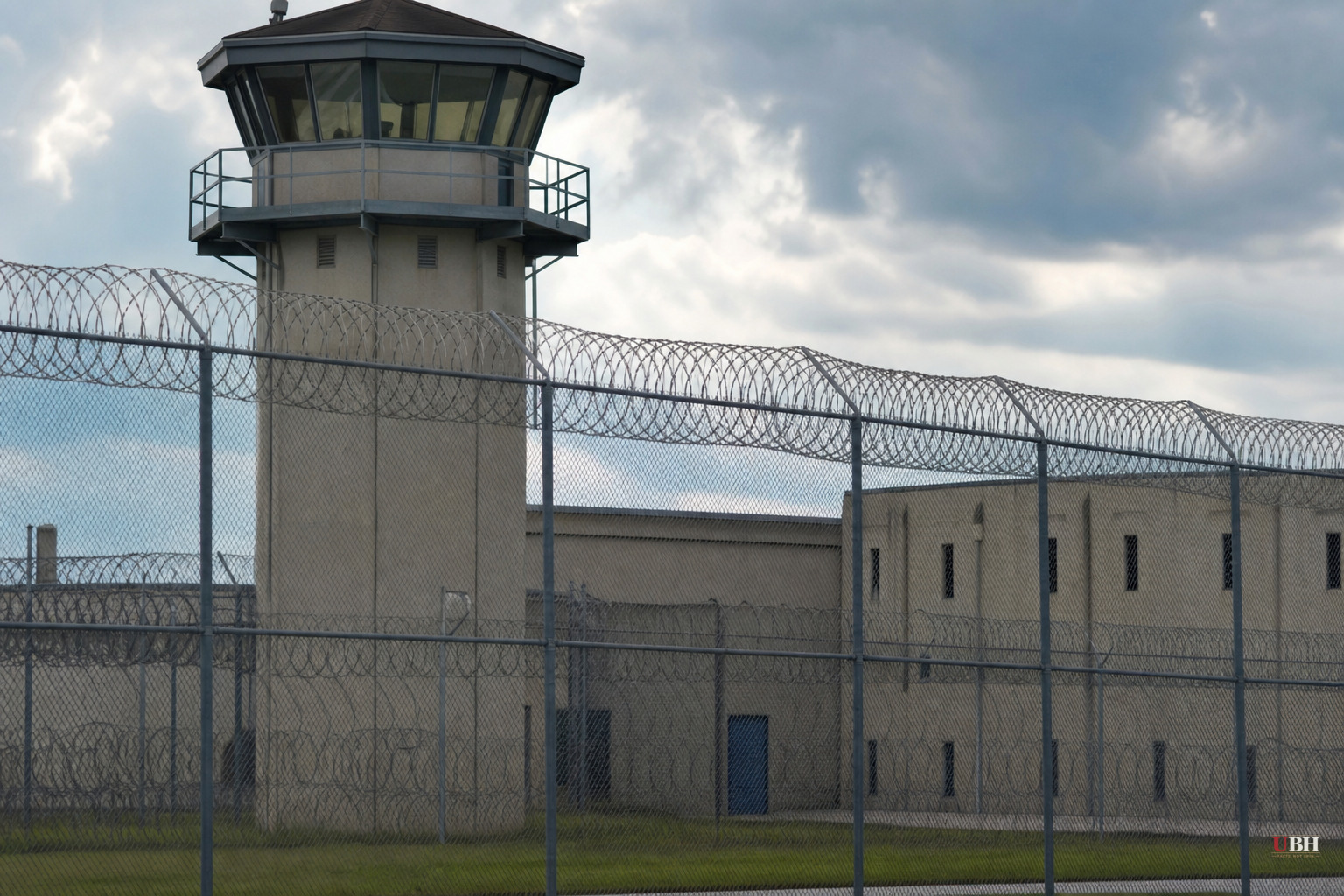
A Con Man's Real Talent Was Timing
Paul Skalnik was a bad-check writer, a bigamist married nine times, and a man who impersonated lawyers, Marines, and airline executives. His actual skill, according to journalist Pamela Colloff's new book Catch the Devil: A True Story of Murder, Deception, and Injustice on the Gulf Coast, reported on by the New York Post, was knowing exactly what Florida prosecutors wanted to hear.
Skalnik first worked the trick in Houston in 1978, phoning a contact in the Harris County district attorney's office to report a jailhouse confession from Thomas Hirschi, an activist facing riot charges. It worked. He walked out of jail for the day to deliver his story.
By the early 1980s, Skalnik had moved to the Pinellas County Jail in Clearwater, Florida, where he worked in the law library, a job that put him next to frightened defendants and their case files, according to Colloff's reporting. He read local newspapers for crime details, then called prosecutors claiming inmates had confessed to him. The Post reports that by 1984, Skalnik had testified against or provided information on at least 27 defendants, helping send four men to death row.
State attorney's files recorded the payoff bluntly. One entry, cited by the Post, notes "Probation was discussed!" after one of Skalnik's tips. He got leniency. Prosecutors got a witness who could turn a weak circumstantial case into a clean story for a jury.
This Was Not a One-State Problem
Skalnik's Florida run is extreme in volume, but not unique in kind. The Death Penalty Information Center's "Killing Justice" report catalogs a string of cases from the same era built on the same foundation: jailhouse informants, coerced confessions, and prosecutors who didn't ask hard questions when a witness handed them exactly the story they needed.
Gary Nelson spent more than a decade on Georgia's death row for the 1978 rape and murder of a 6-year-old before his conviction collapsed in 1991. His appellate lawyers, working without pay for eleven years, proved the state's case rested on false testimony and suppressed evidence pointing to another suspect, according to the Death Penalty Information Center. Barry Lee Fairchild's case involved a confession extracted through what the same report describes as a beating.
In Alabama, Walter McMillian was convicted in 1988 of a murder he did not commit, based on what Wikipedia's summary of the case describes as police coercion and perjured testimony. A judge overrode a jury's recommendation of life imprisonment and imposed the death penalty instead, under a since-abolished practice called judicial override. McMillian served six years on death row before the Alabama Court of Criminal Appeals reversed the conviction in 1993. His attorney, Bryan Stevenson, later said the death sentence, paradoxically, saved McMillian's life: it's what got Stevenson, a capital-case specialist, to take the case at all. Had McMillian received life instead, Stevenson said in a 2005 interview, "he would be in prison today."
The Scale Nobody Can Pin Down
Novelist and Innocence Project board member John Grisham, writing in the Los Angeles Times, puts a number on the broader problem that should unsettle anyone across the political spectrum: an estimated wrongful conviction rate of 2% to 10% nationally. Applied to a prison population of 2.3 million, Grisham writes, that could mean somewhere between 46,000 and 230,000 innocent people currently incarcerated.
That is a wide range, and Grisham acknowledges it's an estimate, not a count. Nobody can say precisely how many innocent people sit in American prisons, because there is no comprehensive audit system for it. The Innocence Project has secured 349 DNA-based exonerations over roughly 25 years, 20 of them from death row, and Grisham cites more than 2,000 total exonerations in that period, including 200 from death row.
Grisham lists jailhouse informants as one of several structural failure points, alongside coerced confessions, unreliable eyewitness identification, underfunded public defense, and prosecutorial or police misconduct. He notes that roughly 25% of the 330 people exonerated by DNA evidence between 1989 and 2015 had given false confessions, almost all of which were recanted quickly.
The Fair Question on the Other Side
Prosecutors and law enforcement groups have long argued jailhouse informants can be legitimate and necessary tools, particularly in cases where physical evidence is thin and defendants talk to cellmates because they trust no one else is listening. Corroborated informant testimony, checked against facts only the perpetrator could know, has closed real cases. The concern from that side is not that all informants lie, but that reform proposals banning or heavily restricting their use could let genuinely guilty people walk.
The problem the Skalnik case illustrates isn't that informants exist. It's that Florida prosecutors, by the state's own file notations, treated his tips as valuable without meaningfully verifying them, and rewarded him with leniency that let him keep offending. No national tracking system requires prosecutors to log how often informant testimony is corroborated versus taken at face value, which is precisely why critics say the practice is hard to audit and easy to abuse.
Several states, including Illinois and Texas, have since passed laws requiring corroboration hearings or judicial screening before jailhouse informant testimony reaches a jury. Florida has no statewide requirement of that kind. Whether Colloff's book renews pressure for one is, as of now, an open question.
Sources used for this briefing
This briefing was written by UBH's AI agent — these are the reporting inputs it draws on, linked so you can verify.


