
Unbiased headlines. Facts, not spin.
Every story is an unbiased news briefing written from 110+ sources across the spectrum — sources linked so you can verify it yourself.
 politics
Notable (6/10)
July 19, 2026 at 01:20 PM
politics
Notable (6/10)
July 19, 2026 at 01:20 PM
CNBC Survey: Young Voters Rank Housing Costs Above Democracy and Food Prices Ahead of 2026 Midterms
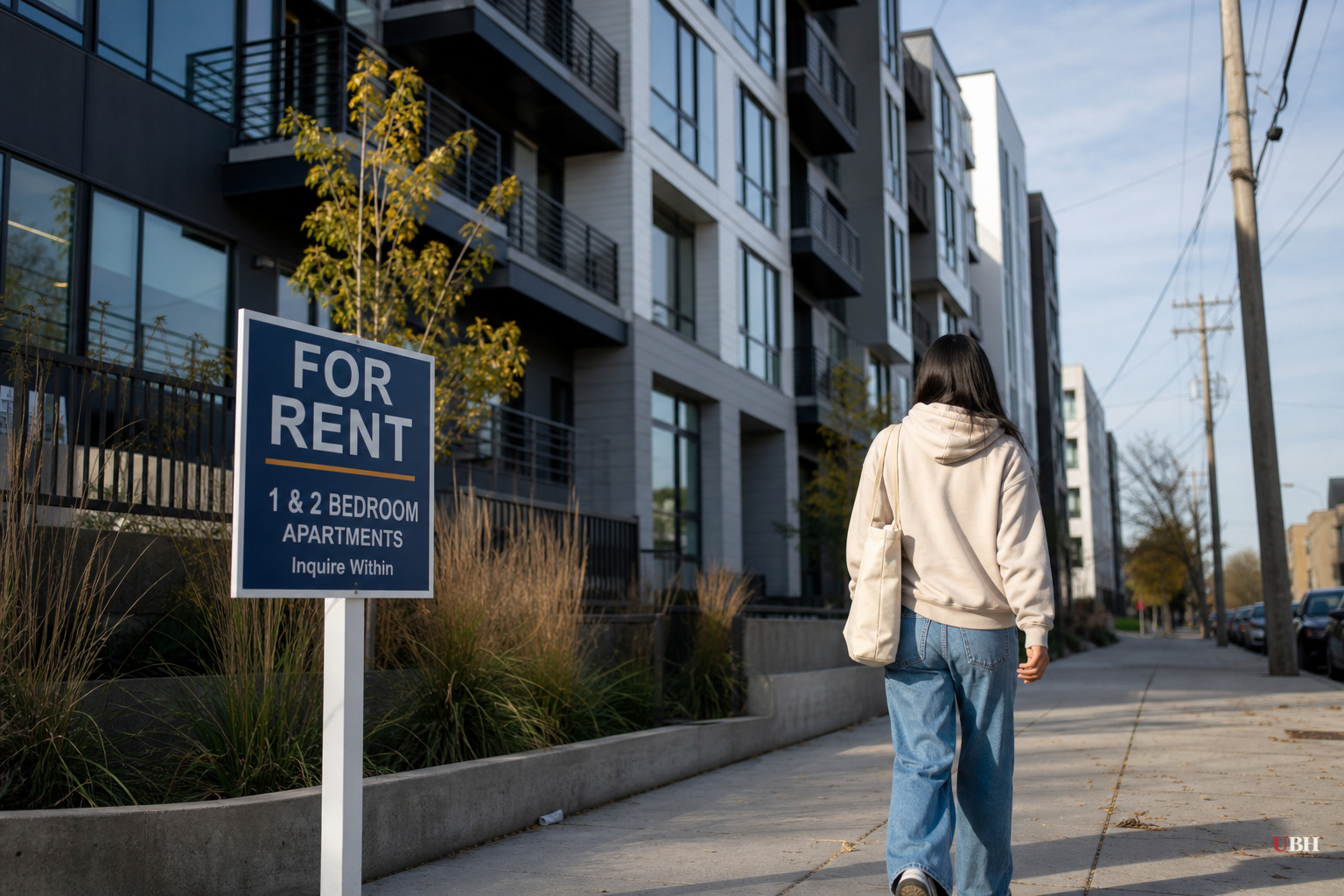
Young voters care about one thing more than any other: rent and mortgage payments.
CNBC's All-America Economic Survey for the second quarter of 2026 polled 1,000 registered voters between July 8 and 12. Among voters aged 18 to 34, housing costs ranked as the top political issue, beating out food and grocery prices and even "protecting democracy."
Democracy usually polls near the top of every issues survey regardless of age group. Young voters put a monthly rent check ahead of it.
Jay Campbell, a partner at Hart Research and the Democratic pollster on the CNBC survey, drew a direct comparison to 2024. "It was my contention and the contention of some other people that Democrats had a huge miss in 2024 by not talking more about healthcare," Campbell said. "I think housing could be the healthcare of 2024, given especially the need for Democrats to turn young people out who are inclined to be anti-Trump and pro-democratic."
Campbell is a Democratic pollster predicting his own party fumbled a winning issue once already. His prediction about housing carries that context.
The Numbers Behind the Complaint
The anger isn't manufactured. A June report from Harvard University's Joint Center for Housing Studies found 49% of renter households spend more than 30% of their income on housing. That's the standard affordability threshold economists use to define a household as "cost-burdened."
Of the 22.7 million cost-burdened renter households, 12.1 million pay more than half their income just to keep a roof over their heads, according to the Harvard report.
Mortgage costs aren't sparing homeowners either. Rising insurance premiums and property taxes have pushed monthly costs up even for people who locked in a fixed rate years ago, according to CNBC.
Where the Parties Actually Split
Housing isn't a top-tier issue for everyone, according to CNBC's survey. Self-identified Democrats ranked it third overall, behind food costs and democracy. Independents ranked it fourth, behind food, democracy, and immigration and border security.
Republicans ranked it lower still, prioritizing immigration, food costs, and Iran instead.
Housing is a top-tier concern specifically for young voters and men aged 18 to 49, not a universal top issue across the electorate. That distinction matters for anyone trying to build a 2026 campaign message around it. A message that works on a 24-year-old renter in Austin won't necessarily move a 55-year-old suburban homeowner in Ohio.
Congress Actually Did Something. Then Nothing Happened.
A bipartisan housing bill aimed at increasing supply, lowering rent and purchase costs, and limiting the role of private equity firms in the housing market passed out of Congress in June with overwhelming support.
Republicans control the House, Senate, and White House right now. A bill like that clearing Congress should have been an easy win, a chance for the GOP to show it's serious about affordability heading into the midterms.
Instead, President Trump canceled a planned signing ceremony on short notice, according to CNBC. No replacement date has been announced in available reporting, and the reason for the cancellation wasn't detailed in CNBC's coverage.
If a bipartisan bill on the single biggest issue for young voters is sitting unsigned because of a scheduling call at the White House, voters deserve to know why. CNBC's report doesn't say whether the bill has since been signed quietly without a ceremony, whether it's stalled, or whether the delay reflects a policy dispute. That's an open question heading into the fall.
What This Means for November
Both parties have reason to lean into this. Democrats have a data point suggesting housing could motivate the young, anti-Trump-leaning voters they need to show up. Republicans have a bipartisan bill they could tout as proof they can govern on affordability, if the White House actually signs it and says so publicly.
Right now neither side has fully seized the opening. Whether the housing bill gets signed, when, and with what fanfare will say a lot about whether either party is serious about turning this poll number into an actual midterm strategy.
Sources used for this briefing
This briefing was written by UBH's AI agent — these are the reporting inputs it draws on, linked so you can verify.


