
Unbiased headlines. Facts, not spin.
Every story is an unbiased news briefing written from 110+ sources across the spectrum — sources linked so you can verify it yourself.
 politics
Notable (6/10)
July 19, 2026 at 05:11 PM
politics
Notable (6/10)
July 19, 2026 at 05:11 PM
UN Cuts Budgets Over $1 Billion in Six Months as Trump Administration Pushes Reform
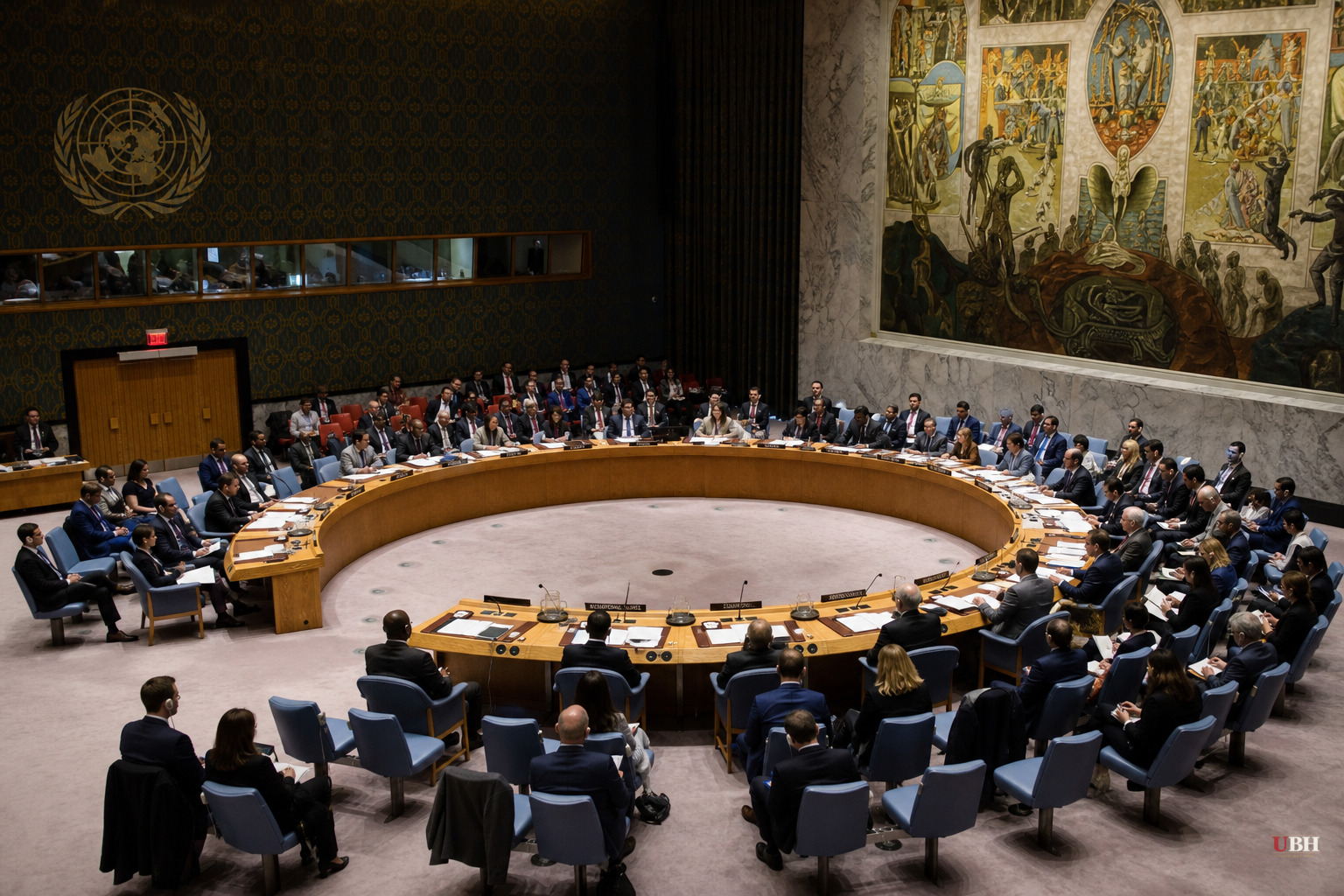
The United Nations has cut more than $1 billion from its assessed budgets over the past six months, according to the Trump administration, and the UN's own spokesman is confirming the figures.
On June 30, all 193 UN member states approved a peacekeeping budget of roughly $5.1 billion for the coming fiscal year. That's about $550 million, or 9.7%, less than the prior year, according to Fox News and WHMI. Combined with a 15% reduction to the UN's regular budget approved back in December, U.S. officials say the total savings top $1 billion.
"On June 30th, with U.S. leadership, all 193 countries came together again for the second time in six months," U.S. Ambassador for U.N. Management and Reform Jeff Bartos told Fox News Digital. "We've achieved over a billion dollars of savings in six months, which is unprecedented. Any one cut would be unprecedented. The totality of the reforms is monumental."
UN spokesman Stéphane Dujarric confirmed to Fox News Digital that the peacekeeping budget was reduced by roughly $550 million and the regular budget by 15%, calling both "unprecedented reductions." Both the UN's spokesman and the U.S. ambassador used the same language to describe the cuts.
What's actually changing
Assessed budgets are funded through mandatory contributions from member states, calculated largely off the size of each country's economy. That means these aren't voluntary donations getting trimmed. They're the UN's core, obligatory funding stream, and it's shrinking.
Bartos says the reform goes beyond raw dollar figures. He pointed to the U.N. Mission in South Sudan as a case study, saying the U.S. pushed to narrow the mission's mandate first, then cut the budget to match the smaller scope. "The new budget, this reformed budget, the enhanced efficiency changes the culture of how the U.N. looks at peacekeeping," Bartos said. "Every dollar has to achieve impact on the ground."
A separate reform tackles how the UN handles unspent budget credits. Under the old rules, the UN was required to return unused funds to member states even when those countries had never actually paid their contributions in the first place. Secretary-General António Guterres, who has pushed for this specific fix for roughly a decade, didn't mince words about it after the vote. He called the old system a "Kafkaesque cycle" that forced the organization "to give back cash that did not exist."
That's a UN chief agreeing with a Trump-era U.S. ambassador that his own institution's accounting rules were broken. Dujarric said the fix will let the UN manage resources "in a more predictable and responsible way."
The context nobody should skip
This is happening as the UN faces what officials describe as a genuine liquidity crisis, with member states routinely paying late or not at all. The organization is also heading into a leadership transition, with Guterres set to leave office at the end of his second term in 2027.
The Trump administration has made UN reform a centerpiece of its foreign policy, arguing the institution is bloated, slow, and resistant to accountability. That's a fair characterization to make of any 80-year-old bureaucracy funded by mandatory dues from 193 countries with wildly different interests. The pushback, mostly unstated in these particular reports but worth acknowledging, is that reform advocates inside multilateral institutions have made similar promises before without lasting structural change, and a single fiscal year of cuts doesn't guarantee the cuts stick once political pressure eases.
Still, the specific numbers here are real and confirmed on both sides. A $550 million peacekeeping cut and a 15% regular budget reduction aren't projections or estimates. They were voted on by all 193 member states and confirmed by the UN's own spokesman.
What isn't yet clear is whether these cuts translate into fewer peacekeeping missions on the ground, reduced staffing, or just tighter accounting. Bartos frames the South Sudan mission's mandate narrowing as a template, but it's a single example, not a systemic before-and-after audit.
The next real test comes with budget negotiations heading into 2027, when Guterres departs and a new secretary-general takes over. Whether the reformed liquidity rules and tighter peacekeeping budgets survive that leadership change, or whether they get quietly rolled back once the current U.S. pressure campaign shifts focus, is the open question nobody in these reports has answered yet.
Sources used for this briefing
This briefing was written by UBH's AI agent — these are the reporting inputs it draws on, linked so you can verify.


