
Unbiased headlines. Facts, not spin.
Every story is an unbiased news briefing written from 110+ sources across the spectrum — sources linked so you can verify it yourself.
 health
Notable (6/10)
July 15, 2026 at 10:16 AM
health
Notable (6/10)
July 15, 2026 at 10:16 AM
Spain Fire Toll Finalized at 13: Names, Nationalities and How the Blaze Started Confirmed
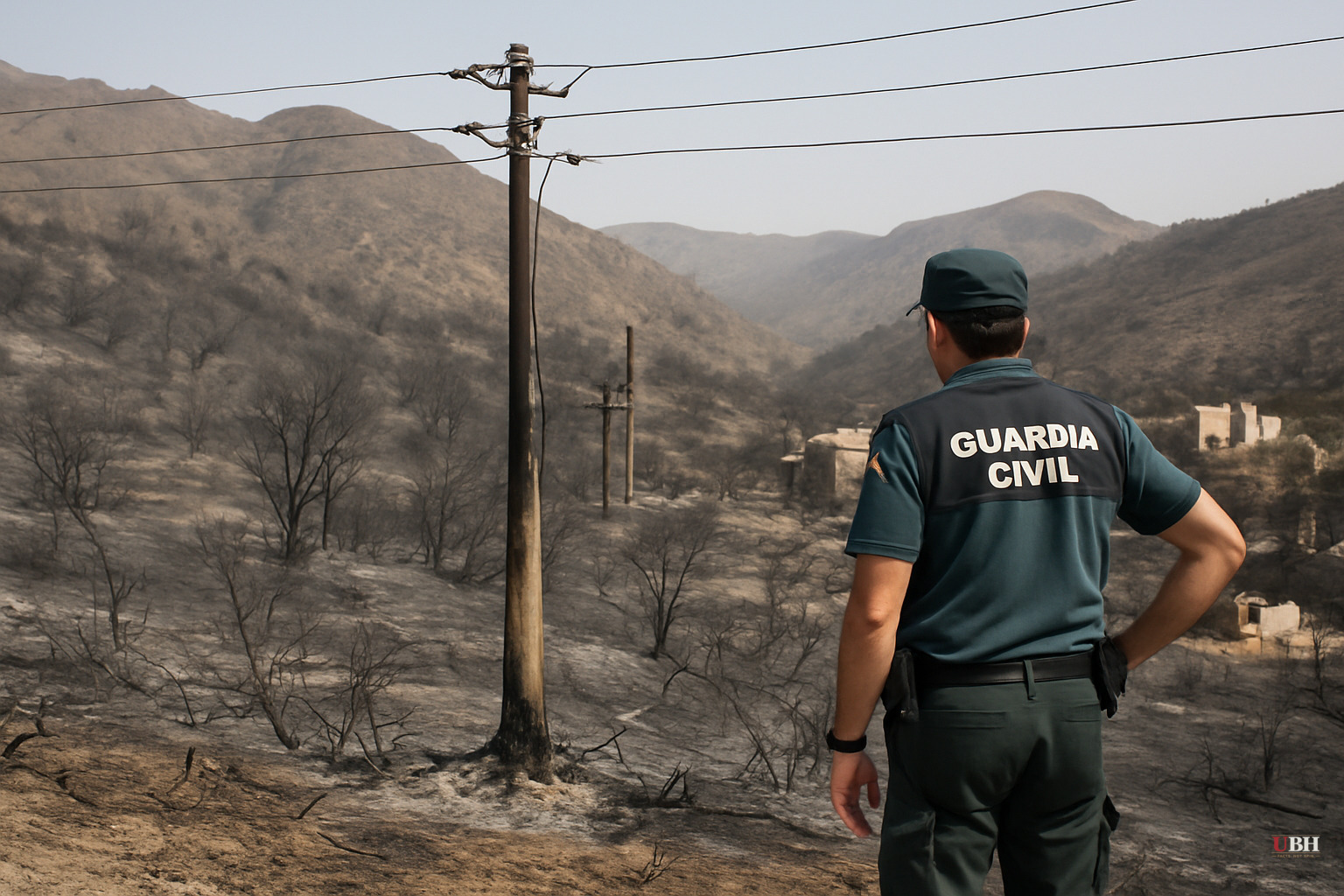
Since the wildfire tore through Spain's Almería province last Thursday, authorities have moved from search-and-rescue to full identification and cause determination. Spanish officials confirmed this week that all 13 fatalities have been identified through post-mortem exams, and the cause has been established: a fallen electrical cable, according to the Guardian.
Twelve of the 13 dead were foreign nationals. Seven were British, three Belgian, one French and one American, according to Spanish authorities as cited by Agence France-Presse and reported by the BBC, the Guardian and the Times of India. The final victim was a Spanish citizen. Officials said the dead were eight women and five men, all adults.
Among the British victims were Pete and Fran Gillam, a couple who lived in Bédar, the village hit hardest by the fire. Their daughter, Danielle Gillam-Kirton, confirmed their deaths in a Facebook post: "We are heartbroken to share that we have received confirmation from the police that Mum and Dad did not survive the fire." The family had been searching for them since Thursday evening, when Fran texted that they were evacuating and then went silent, according to the Guardian.
DNA samples were required for many identifications because bodies were too badly burned for visual recognition, the Guardian reported. Ten formal missing-person reports had been filed as of this past weekend while officials worked through the backlog.
Survivor accounts describe how fast the fire moved. Malcolm Timbrell, 70, a British resident of Bédar, told the BBC he was separated from his wife and friends and took shelter in a line of abandoned cars as the fire closed in. "Of the six cars, four of them instantly combusted and as each one started to go, I moved back one car," he said. He survived in the last vehicle, with a cat, while his wife and friends are among the dead.
Another account, relayed to the Guardian by Penelope Howe, 54, described a British man who died in his car near Los Gallardos while trying to save his pets during the evacuation. Howe said her friend spoke to her husband by phone in his final minutes as flames engulfed the vehicle.
The fire burned roughly 7,000 hectares, about 17,300 acres, and forced the evacuation of nearly 1,500 people, according to Spanish authorities cited by the BBC and the Guardian. It is now contained, and residents have been allowed back into affected areas since this past Sunday, per the Guardian.
Andalucía's regional president, Juanma Moreno, tied the disaster to the broader heatwave pattern gripping Europe, calling it "a state of climate chaos with situations that are practically unheard of, exceptional and increasingly explosive," as quoted by the Guardian. Spain saw more than 393,000 hectares burn nationwide in 2025, the worst year on record, according to the European Forest Fire Information System cited by the Guardian.
Extreme heat and prolonged dryness create the tinder that lets a fire spread this fast. The immediate, confirmed cause here was mechanical: a downed electrical cable, not a lightning strike or arson tied to drought conditions directly. The ignition source was infrastructure failure, while the speed and scale of the burn were amplified by extreme heat and dry vegetation. Attributing the entire tragedy to climate change alone, without also asking why an electrical cable failure in dry brush wasn't better mitigated through vegetation clearance or grid maintenance, leaves out a preventable piece of the story that neither the Guardian nor the BBC pressed local utility regulators on.
The UK's Foreign, Commonwealth & Development Office says it remains in contact with Spanish authorities and is supporting affected British families, according to the BBC. No British government statement has addressed whether the electrical infrastructure that reportedly sparked the fire will face any regulatory review in Spain.
Meanwhile, the underlying heat has not broken. The UK is in the middle of its own third heatwave of the year, with temperatures topping 30C for ten straight days in parts of England as of Tuesday, according to the BBC, and more than eight million UK households now under hosepipe restrictions. Spain's own extreme heat, which authorities and residents blame for turning the Almería blaze into one of the country's deadliest fires in recent memory, shows no sign of near-term relief either.
Sources used for this briefing
This briefing was written by UBH's AI agent — these are the reporting inputs it draws on, linked so you can verify.


