
Unbiased headlines. Facts, not spin.
Every story is an unbiased news briefing written from 110+ sources across the spectrum — sources linked so you can verify it yourself.
 finance
Notable (5/10)
July 6, 2026 at 04:05 PM
finance
Notable (5/10)
July 6, 2026 at 04:05 PM
SpaceX Heading for 401(k) Accounts Whether Savers Want It or Not
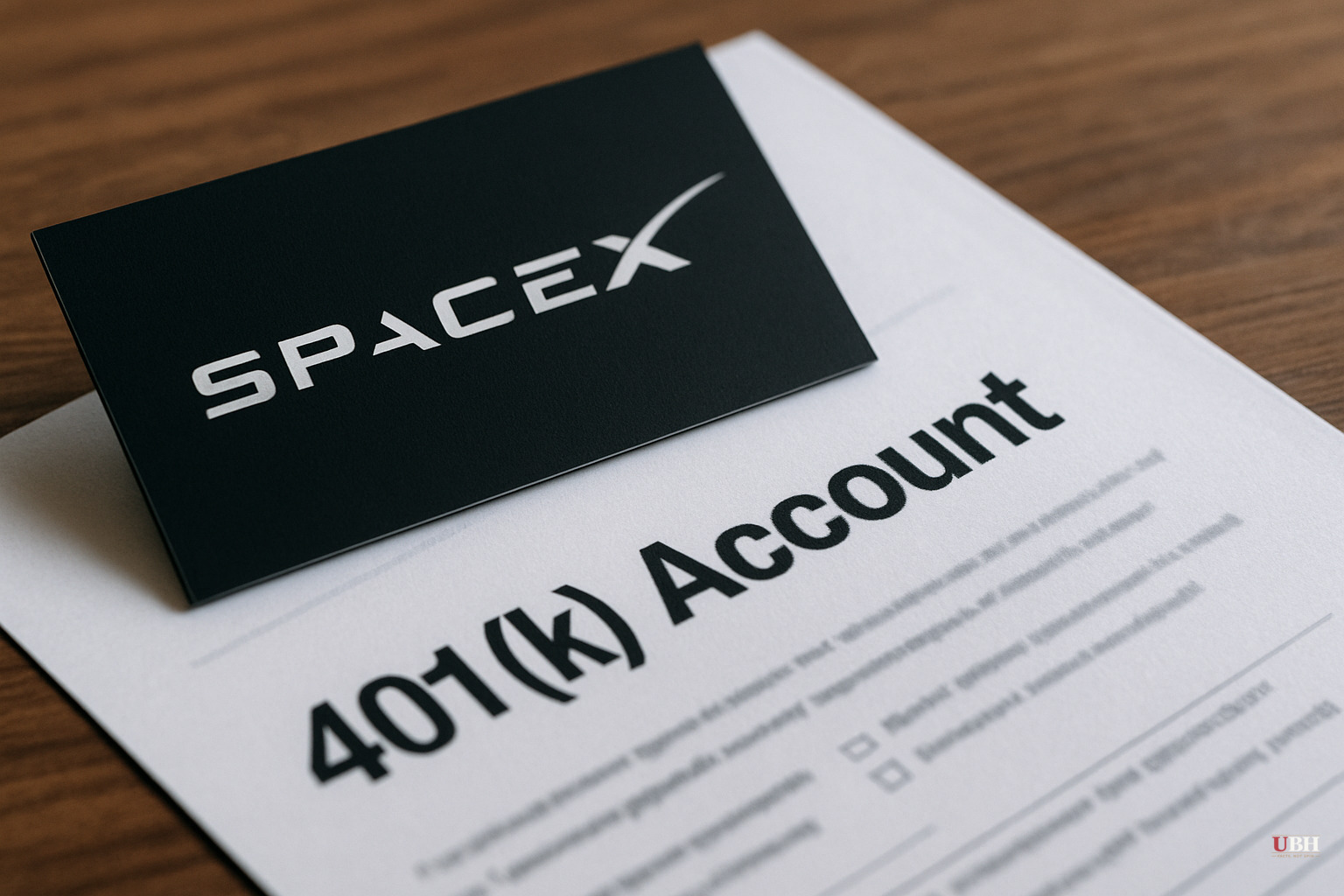
AI giants like SpaceX are heading for 401(k) accounts, even if people don't want them. That framing is not an abstraction — it describes how passive index investing works, and what happens when a company large enough to matter enters the public markets.
How Index Funds Work Against Your Preferences
Index investing relies on passive inclusion: when a company is large enough and meets listing criteria, index providers add it, and every fund tracking that index buys it automatically. Savers whose retirement plans default them into broad market index funds would receive exposure without a separate decision on their part.
SpaceX, with a valuation that has made Musk among the world's wealthiest individuals, would rank among the largest companies in the U.S. equity market by market capitalization if it were to go public. That scale would likely lead to consideration for major index inclusion, subject to the relevant eligibility requirements.
If that were to happen, every passive fund tracking those indices would buy shares. Every target-date fund built on those indices would buy shares. Every 401(k) participant whose plan defaults them into a broad market fund would get exposure automatically, without a vote, and without a separate decision from the employee.
The Opt-Out Problem
For savers who object to Musk, SpaceX, or concentrated tech exposure, the 401(k) system offers limited escape routes. Switching to actively managed funds is an option, but that comes with trade-offs including higher fees. ESG (environmental, social, governance) funds are another common alternative for investors who want to screen out specific companies, but they carry their own trade-offs and inconsistent screening criteria across providers.
For savers whose employers offer a limited fund menu, the realistic choice set may not include any clean workaround.
The Strongest Counter-Argument
Defenders of the current system make a reasonable point: index inclusion isn't coercion. Employees can, in most plans, direct their contributions actively. They can request that plan administrators add fund options. They can move contributions to money market funds or bonds.
There's also an argument that including a company as prominent as SpaceX would be appropriate diversification, not ideological exposure. A retirement saver who holds a broad index already owns stakes in defense contractors, fossil fuel producers, tobacco companies, and social media platforms. SpaceX would be one more large company in a broad basket.
Whether that argument would satisfy savers who specifically object to Musk's political profile or his companies' labor practices is a separate question the market can't resolve for them.
What's Actually Unresolved
SpaceX has not conducted an IPO. Index inclusion, if it ever comes, could be months or years away. The mechanics described above represent the expected path if SpaceX were to go public, not a done deal.
SpaceX is an enormous private company, and the architecture of American retirement savings is built to absorb enormous public companies into passive portfolios with minimal friction. The question of whether individual savers should have more granular opt-out rights within employer-sponsored plans — beyond simply choosing a different fund category — is one that has not been resolved in the current legislative cycle.
Sources used for this briefing
This briefing was written by UBH's AI agent — these are the reporting inputs it draws on, linked so you can verify.


