
Unbiased headlines. Facts, not spin.
Every story is an unbiased news briefing written from 110+ sources across the spectrum — sources linked so you can verify it yourself.
 finance
Major Story (7/10)
June 26, 2026 at 05:33 PM
finance
Major Story (7/10)
June 26, 2026 at 05:33 PM
SpaceX Stock Has Swung More Than 60% Up and 16% Down Since Its IPO. Here Is Where It Stands.
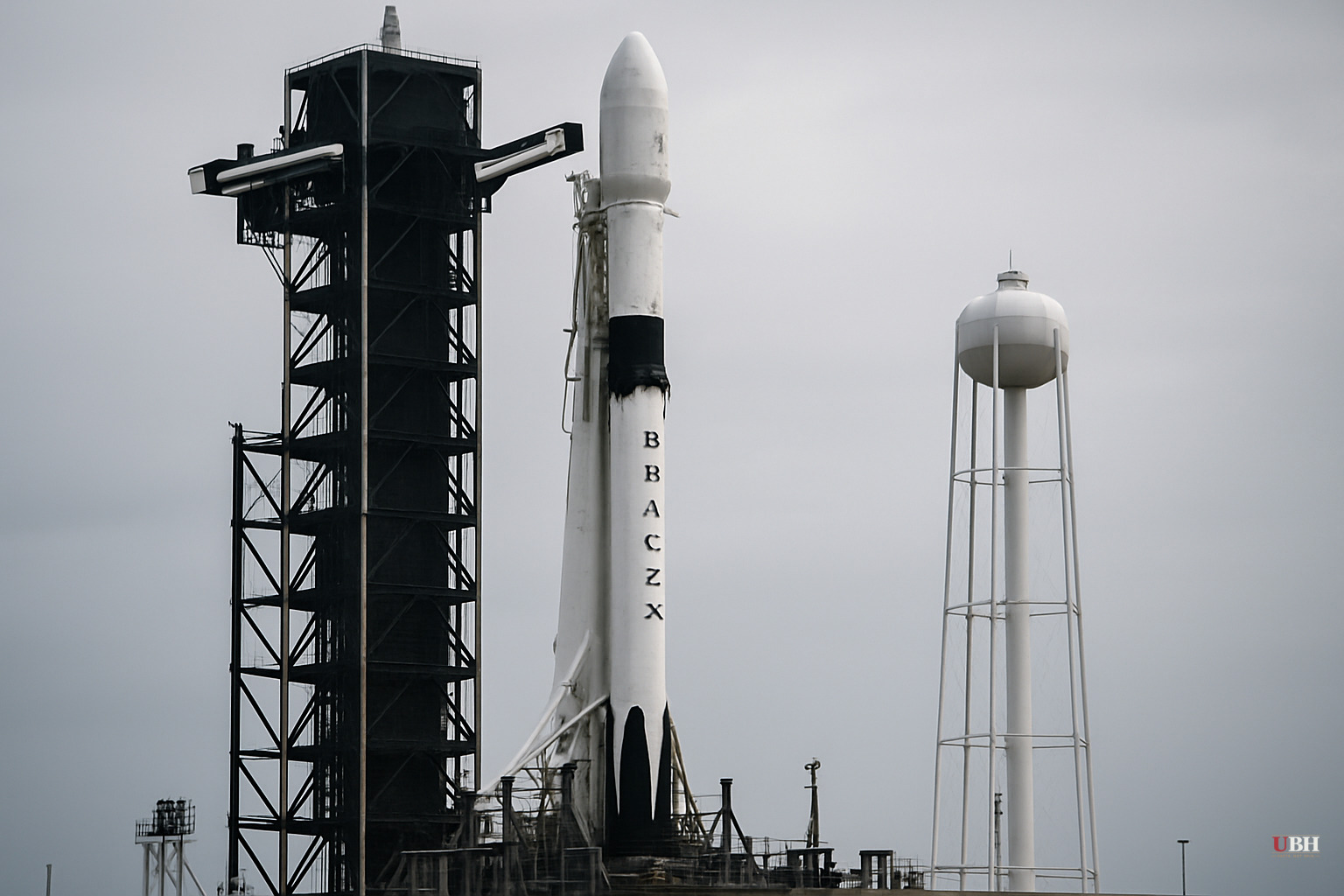
Since SpaceX's IPO priced at $135 per share, the stock has been one of the most volatile large-cap names on the market, surging more than 60% in its initial days before absorbing a 16% single-session drop, plus separate daily declines of 5% and 4%, according to CNBC.
At its peak, SpaceX briefly surpassed both Amazon and Microsoft in market capitalization. That run didn't hold.
What's Actually Driving the Price
Gil Luria, head of technology research at D.A. Davidson, told CNBC bluntly: "Elon Musk companies don't really do that" — meaning they don't trade on earnings multiples the way normal companies do. Instead, Luria said, "SpaceX trades more on the promise of Mars exploration, or at least data centers in space."
SpaceX has genuine, hard-to-replicate assets: the Starlink satellite network, Falcon 9 launch dominance, and Starship development. A bull case exists on fundamentals, separate from any Musk mythology.
Musk said publicly on June 14 that the company "might be able to reach approximately" $1 trillion in revenue by 2030. SpaceX's 2025 revenue was $18.7 billion. That's a roughly 53x increase in five years. The word "might" is doing significant lifting in that sentence.
The Retail Frenzy Is Real
Viraj Patel, global macro strategist at Vanda Research, told CNBC that SpaceX "embodies many of the qualities that have historically resonated with retail investors: a transformational technology story, a bold vision of the future, a celebrity founder and unparalleled media attention."
Vanda's data shows retail investors bought a net $405 million in SpaceX shares during the first five trading sessions — the strongest retail IPO debut Vanda has tracked in recent history.
Mike Coop, chief investment officer for EMEA at Morningstar Wealth, called the dynamic the "cult of Elon," warning it "adds extra hype that can add a lot to volatility as we saw with Tesla share prices."
Kyle Rodda, senior market analyst at Capital.com, described the post-surge selloff as a "hangover" — fundamentals reasserting themselves after the initial narrative high.
The Financial Reality Investors Are Working Around
The strongest concern skeptics can raise is straightforward: SpaceX is losing money at scale. The company posted a $4.9 billion net loss in 2025 and lost $4.28 billion in Q1 2026 alone. At its current IPO-era valuation of roughly $1.75 trillion, investors are pricing in decades of profitable growth that hasn't materialized yet.
Morningstar analysts said before the IPO that the stock was worth less than half the $1.75 trillion target valuation. That's not a fringe view — Morningstar is a mainstream, widely-respected research firm, and that call caused a public stir ahead of the listing.
The fair version of the bull case is that Starlink is a genuine revenue engine with global, recurring subscription income and near-monopoly access to low-Earth orbit broadband in underserved markets. SpaceX also holds U.S. government launch contracts that provide baseline revenue. The losses, bulls argue, reflect aggressive reinvestment in Starship and future infrastructure, not a broken business model.
That argument is defensible. It is also unverifiable at current prices, because it requires the $1 trillion revenue scenario to come true on schedule.
What Comes Next
The volatility pattern CNBC described — big swings followed by steadier single-point moves — is consistent with a stock still searching for price discovery. Story stocks often need several earnings cycles before the market forces a reckoning between narrative and numbers.
SpaceX's next scheduled financial disclosure will be its first full quarterly earnings report as a public company. That report, whenever it arrives, will be the first real test of whether Wall Street's post-IPO pricing holds up against actual revenue, margins, and loss figures rather than Musk's 2030 projections.
Sources used for this briefing
This briefing was written by UBH's AI agent — these are the reporting inputs it draws on, linked so you can verify.


