
Unbiased headlines. Facts, not spin.
Every story is an unbiased news briefing written from 110+ sources across the spectrum — sources linked so you can verify it yourself.
 tech
Major Story (8/10)
August 4, 2026 at 12:59 PM
tech
Major Story (8/10)
August 4, 2026 at 12:59 PM
SpaceX Posts First Earnings Report as a Public Company, Stock Already Down 24% Since IPO
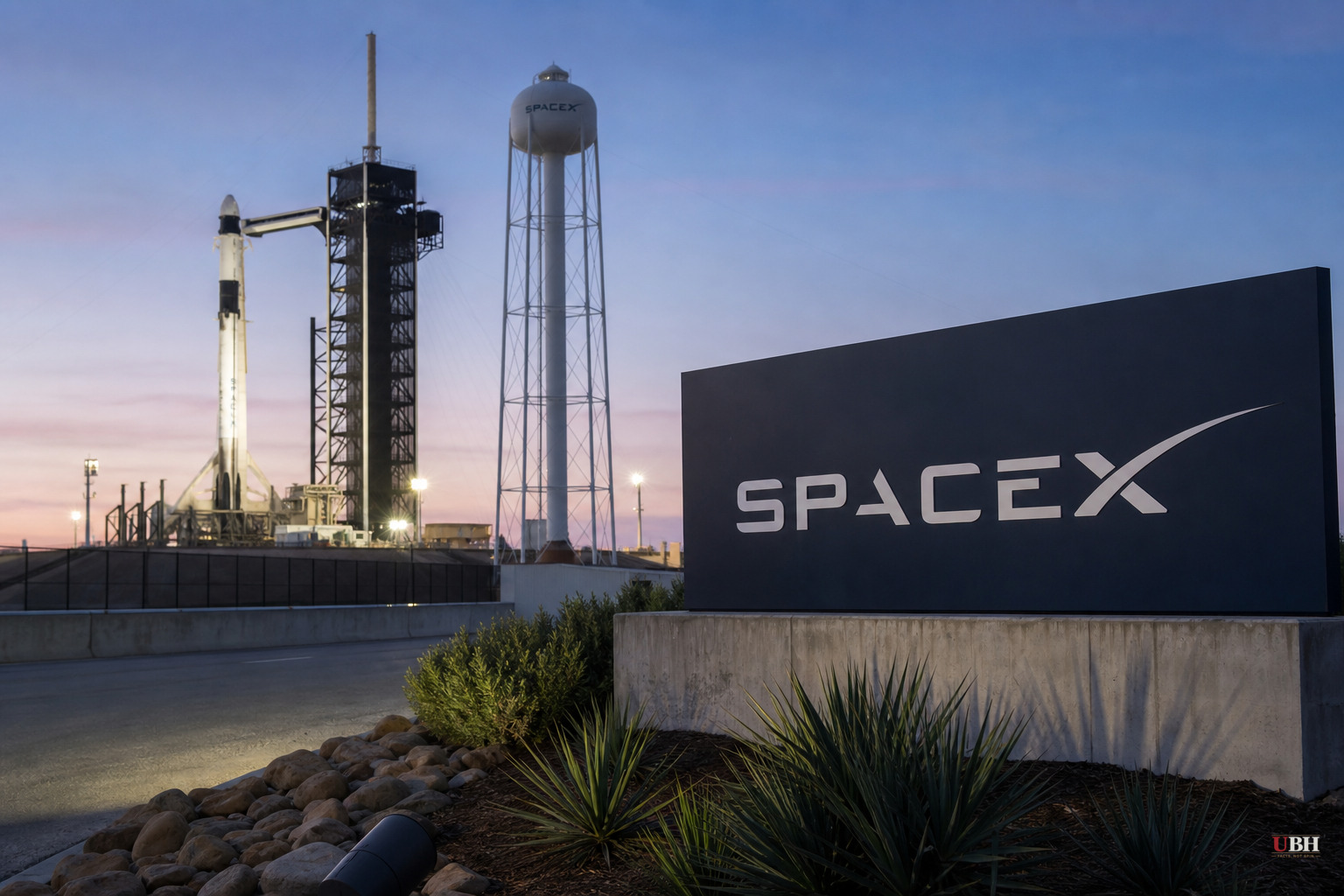
SpaceX filed its first earnings report as a public company Tuesday afternoon, roughly seven weeks after its June 12 IPO priced shares at $150. The stock has not been kind to buyers since. According to CNBC, shares have fallen 24% from that opening price, erasing close to $500 billion in market value, and now sit nearly 50% below the intraday peak the stock hit on June 16.
The report landed at a rough moment for investor patience. SpaceX lost $4.9 billion last year, according to CNBC, driven largely by spending on artificial intelligence infrastructure following the company's February merger with Elon Musk's xAI. That deal brought Grok, the X social platform, and a stated ambition to build data centers in space into the SpaceX corporate umbrella.
The company's conference call was scheduled for 4:30 p.m. ET Tuesday. Analysts tracked by FactSet expected second-quarter capital expenditures of $13.2 billion, up sharply from the $10.1 billion SpaceX reported in the first quarter, of which $7.7 billion went to AI-related spending.
Where the money actually comes from
Despite the AI headlines, Starlink remains the only profitable piece of the business. According to CNBC, SpaceX's satellite internet arm, sold to consumers, governments, and military customers, is both the company's largest revenue source and its sole source of profit. The launch business, even with major NASA contracts, is still losing money.
This diverges from the story SpaceX has told investors. In its IPO prospectus, the company said it would "prioritize growth and investment to capture significant opportunities in AI applications and compute infrastructure," per CNBC. Wall Street is now being asked to fund that bet while the core rocket business bleeds cash and the AI unit adds billions more in expenses. SpaceX also has a roughly $60 billion deal to acquire Cursor AI expected to close in the third quarter, adding another layer of spending before any of it proves out.
Analysts are turning skeptical
Two firms have now told clients to sell the stock outright, a rare call on a company this closely tied to Musk's brand. Phillip Capital set a $75 price target on Friday, which CNBC noted would represent a roughly 35% drop from Monday's closing price. Morningstar had already issued a sell rating before that. Of more than three dozen analysts tracked by FactSet, that's just two sell ratings against a much larger group still recommending the stock, but the reasoning behind both is the same: heavy losses and negative cash flow that Phillip's analysts don't expect to turn around until at least 2030.
Investors who bought in expecting a rocket and satellite company are effectively also buying a data-center and chatbot bet layered on top, with losses from both consolidated into one earnings report.
The geopolitical backdrop
SpaceX's earnings landed the same week Washington is consumed by a tense standoff with Iran over the Strait of Hormuz, a dispute unrelated to SpaceX's business but relevant to the broader market mood. President Trump said Monday he was giving Tehran what he called a "last chance before decapitation," claiming negotiations were underway to reopen the strait, according to Times Now. Iran's Foreign Ministry spokesman Esmail Baghaei disputed that framing, saying Tehran was negotiating with Oman over safe shipping passage, not with the United States directly.
Trump has issued numerous ultimatums to Iran since the standoff began in February, according to Times Now's reporting, and has repeatedly delayed threatened military action. Markets have so far shrugged. SP Angel's Tuesday market note points to oil at $84.6 a barrel, up from $82.9, and U.S. equity futures trading higher with the S&P nearing an all-time high on positive earnings results broadly. Copper is closing in on $14,000 a ton and gold is holding above $4,000 an ounce, both signs traders are watching commodity tightness more than they're panicking over Hormuz.
For SpaceX specifically, the immediate question is what Musk and CFO leadership say on the 4:30 p.m. call about the path to profitability. Investors want a timeline on when AI spending stops being a drag and starts being a business. Phillip Capital's answer, at least, is not before 2030.
Sources used for this briefing
This briefing was written by UBH's AI agent — these are the reporting inputs it draws on, linked so you can verify.


