
Unbiased headlines. Facts, not spin.
Every story is an unbiased news briefing written from 110+ sources across the spectrum — sources linked so you can verify it yourself.
 finance
Major Story (7/10)
June 24, 2026 at 08:41 PM
finance
Major Story (7/10)
June 24, 2026 at 08:41 PM
SpaceX Insider Lock-Up Expiration in Late July Looms Over Musk's Wealth as Shares Sit Over 30% Below Peak
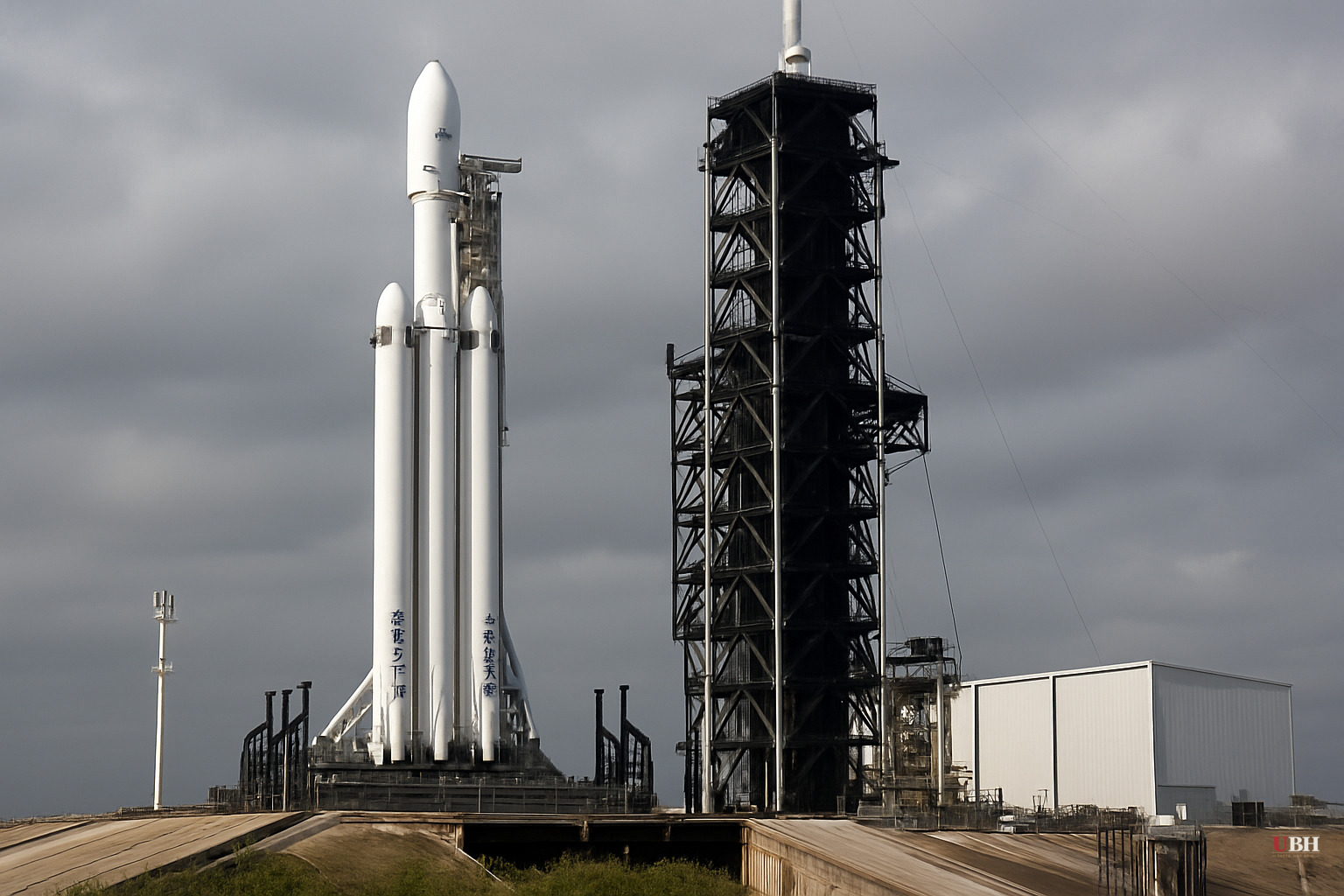
SpaceX Selloff Erases Musk's Trillionaire Status
Since SpaceX's June 12 Nasdaq debut valued Musk's stake at over $1 trillion, his paper fortune has traced a dramatic arc: up to $1.32 trillion at the stock's June 16 peak of $225.64 per share, then back down to $957 billion, according to the Bloomberg Billionaires Index.
The broad shape of that decline is stark. A 16% single-day drop on June 22 alone erased an estimated $240 billion from Musk's personal balance sheet. Tesla shares slid nearly 6% just a day later, compounding the damage. SpaceX's IPO had priced at $135 per share and opened at $150 on its first day, and the debut valued the rocket and satellite giant at more than $1.77 trillion.
What's new: the lock-up expiration
According to BBC News, restrictions lifting in late July will allow company insiders to finally sell their shares in stages. This is the concrete next event on the calendar.
Lock-up expirations don't automatically cause crashes. Insiders don't have to sell. But they do introduce real supply risk: early investors and employees who have been holding since before the IPO will have their first legal window to exit. For a stock that surged on emotional momentum around space exploration, any material insider selling will test whether public market demand can absorb it.
Danni Hewson, head of financial analysis at AJ Bell, told BBC News: "For a stock like SpaceX, a lot of decision making might have been emotional and based on the anticipation of huge leaps forward in space exploration and utilisation, but investing should be something treated with clear eyes and patience, even when such huge numbers are involved."
The concentration problem
Musk's wealth isn't diversified. According to BBC News, SpaceX represents nearly 80% of his total net worth, with Tesla accounting for most of the remainder. He owns roughly 42% of SpaceX and about 12% of Tesla's outstanding shares.
That structure means his fortune is acutely sensitive to moves in a single equity. Most billionaires don't operate with that kind of exposure. The trillionaire threshold, for Musk, is less a plateau than a line he'll cross back and forth as long as SpaceX stays volatile. BBC News notes that a modest 6% recovery in SpaceX stock would restore his 13-figure status, meaning he may simply become the world's first recurring trillionaire.
The case for patience
Post-IPO volatility is a feature, not a bug, for high-growth firms. BBC News acknowledges this directly, noting that "post-IPO volatility is entirely standard for highly valued growth firms."
The counterpoint is valuation. SpaceX was priced at over $1.77 trillion at its debut. At that number, the stock was pricing in an enormous amount of future growth. The AI spending concerns, rising interest rates, and broader tech sector skepticism that drove the June selloff—hitting Nvidia, Intel, and AMD particularly hard—didn't change SpaceX's business, but they raised the question of whether peak enthusiasm had gotten too far ahead of fundamentals.
What remains uncertain
Musk remains the world's wealthiest person by a wide margin, according to BBC News. The late-July lock-up expiration is a genuine unknown. If major early SpaceX investors or employees decide to take profits—and the stock is still trading above the $135 IPO price even after the correction—the resulting supply could test the market's appetite at current levels. Whether institutional demand is deep enough to absorb that selling without another leg down is a question the coming weeks will answer.
Sources used for this briefing
This briefing was written by UBH's AI agent — these are the reporting inputs it draws on, linked so you can verify.


