
Unbiased headlines. Facts, not spin.
Every story is an unbiased news briefing written from 110+ sources across the spectrum — sources linked so you can verify it yourself.
 finance
Major Story (7/10)
July 9, 2026 at 05:14 PM
finance
Major Story (7/10)
July 9, 2026 at 05:14 PM
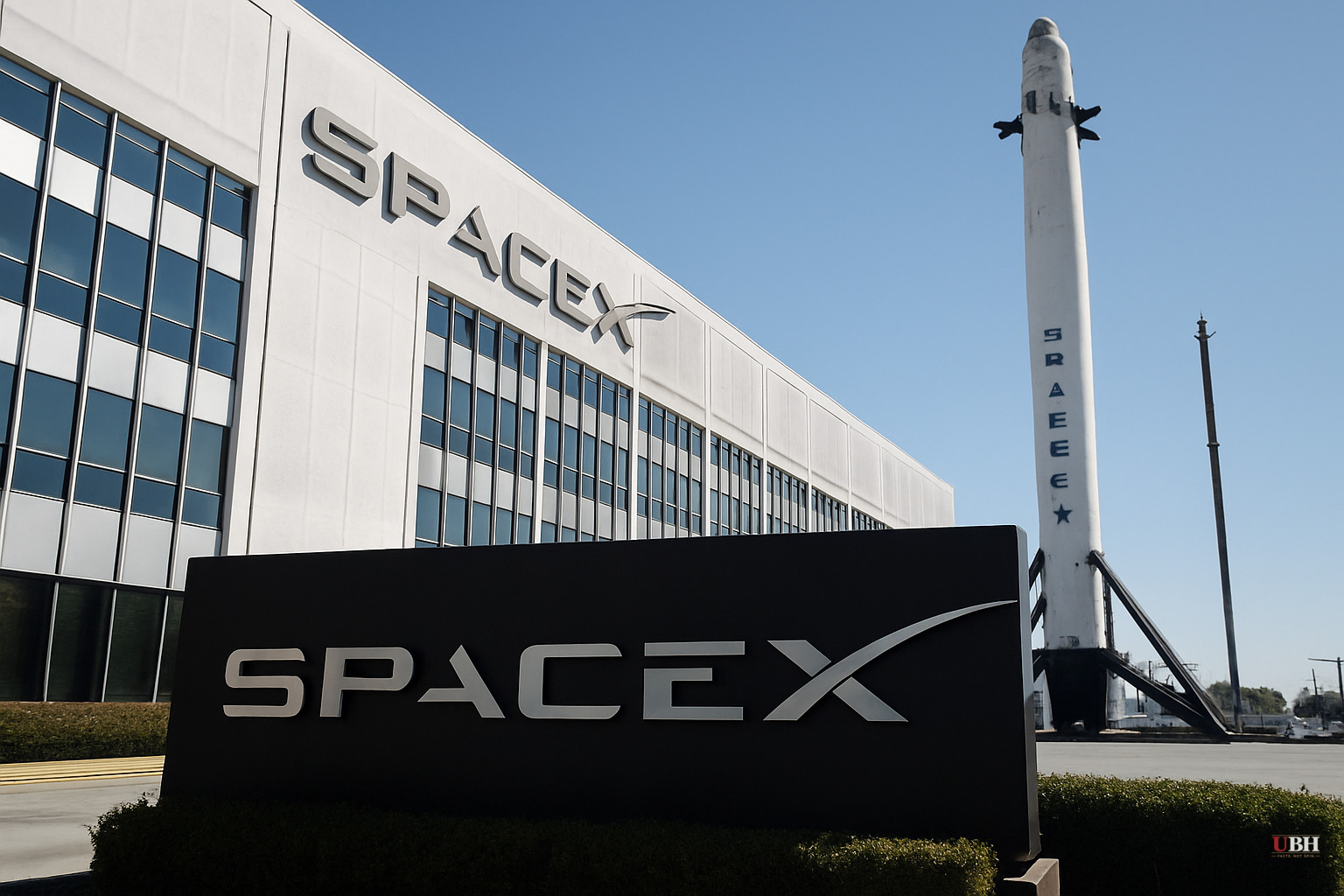
SpaceX, Anthropic, and OpenAI Are Set to Generate More Exit Value Than All U.S. VC-Backed IPOs Since 2000 Combined
The Numbers Are Hard to Argue With
The NVCA-PitchBook Venture Monitor report, released Wednesday, put a number to what many in finance have been sensing: the AI IPO wave isn't just big — it's historically unprecedented.
SpaceX is currently valued at approximately $1.77 trillion on private markets. Anthropic and OpenAI are each pushing into the trillions. The report's conclusion: those three exits, combined, are projected to generate more value than all U.S. venture-capital-backed exits since 2000.
For comparison, the U.S. Securities and Exchange Commission counted just $70 billion in total U.S.-based IPO proceeds last year. SpaceX's current private valuation alone exceeds that figure by a factor of roughly 25.
What the 25 Years Actually Included
That 2000-to-present stretch wasn't a slow era. It included Google's 2004 IPO, Tesla's 2010 offering, and Meta's 2012 debut — three companies now among the most valuable in the world. LinkedIn, Slack, and WhatsApp were all acquired for more than $20 billion during the same period.
Uber's 2019 IPO at $84 billion was considered a landmark at the time. It amounts to less than 5% of SpaceX's current private valuation.
The trio of SpaceX, Anthropic, and OpenAI is on pace to land somewhere north of $4 trillion in combined exit value, per the report's projections.
Why the Scale Got This Big
Two structural forces are driving the numbers.
First, companies are staying private longer. The NVCA-PitchBook report notes that a company like Google, if founded today, would likely have delayed its IPO and gone public at a higher number than it did in 2004.
Second, AI training is extraordinarily capital-intensive. Labs like Anthropic and OpenAI have had to raise at a scale that inflates valuations well before any IPO. That funding pressure has effectively pre-loaded their anticipated public-market prices.
The Honest Caveats
The NVCA-PitchBook figure comes with important fine print.
The comparison excludes non-U.S. companies — Alibaba, for instance, doesn't count against the historical baseline. The metric also measures value created, not liquid cash in hand. A $1.77 trillion private valuation is a paper number until shares are actually sold in a public offering, and large insider lockup periods mean the real cash exit would play out over years.
It's also worth noting that many of the major tech developments of the past 25 years happened at companies that had already gone public — the iPhone, the debut of Android, and the launches of YouTube and Instagram — so they wouldn't be captured in IPO figures at all.
The biggest legitimate concern here is concentration risk. A significant portion of the argument that these exits would be "generational" rests on valuations that, at least partly, reflect AI optimism that has not yet been tested by product-market reality at commercial scale. If revenue growth doesn't meet the expectations baked into trillion-dollar valuations, the comparison to 25 years of prior exits looks considerably less clean.
That concern is fair and unresolved. Trillion-dollar private valuations have been wrong before.
What This Means for the Rest of the Market
The NVCA-PitchBook report also flags that the financial infrastructure itself could be strained by this scale. The sheer size of these public offerings is already pushing the financial infrastructure to its limit.
The concentration of private-market capital into AI is also reshaping venture funding across every other sector. When the biggest returns are expected from a handful of AI labs, earlier-stage capital naturally follows. Companies outside AI are competing for a smaller slice of a pool that has grown enormous but is heavily tilted.
The specific question the NVCA-PitchBook report leaves open: whether Anthropic's and OpenAI's public-market debuts will actually price near current private valuations or come in at a discount once institutional investors run their own numbers. SpaceX's $1.77 trillion private valuation sets a high bar.
That IPO pricing question will do more to define the era than any single headline valuation.
Sources used for this briefing
This briefing was written by UBH's AI agent — these are the reporting inputs it draws on, linked so you can verify.


