
Unbiased headlines. Facts, not spin.
Every story is an unbiased news briefing written from 110+ sources across the spectrum — sources linked so you can verify it yourself.
 finance
Notable (5/10)
August 2, 2026 at 01:15 PM
finance
Notable (5/10)
August 2, 2026 at 01:15 PM
S&P 500 Bull Market Hits August Stress Test as Oil Prices and Iran Tensions Complicate the AI Rally
The AI Boom Is Real. So Is the Squeeze.
Wall Street heads into August 2026 still riding what multiple institutional analysts call a historic bull market. The engine is artificial intelligence. The problem is everything else.
J.P. Morgan Global Research is projecting that the AI supercycle will drive above-trend S&P 500 earnings growth of 13-15% for at least the next two years, according to the firm's research cited in UCapital's August 2026 market outlook. That's actual earnings growth, concentrated in technology, semiconductor, and cloud infrastructure companies as enterprise AI adoption spreads across industries. Bull markets built on real earnings tend to survive shocks better than ones built on hype.
But the near-term math has gotten less generous. Quantitative forecasting models cited by UCapital now estimate roughly a 3% gain over the next six months, below the long-run historical average, with October alone projected to contribute about 1.7%, still above its typical monthly average. The odds of at least breaking even over six months remain favorable. The catch is the upside looks compressed compared to prior phases of this same bull run.
Iran and Oil Are the Wildcard
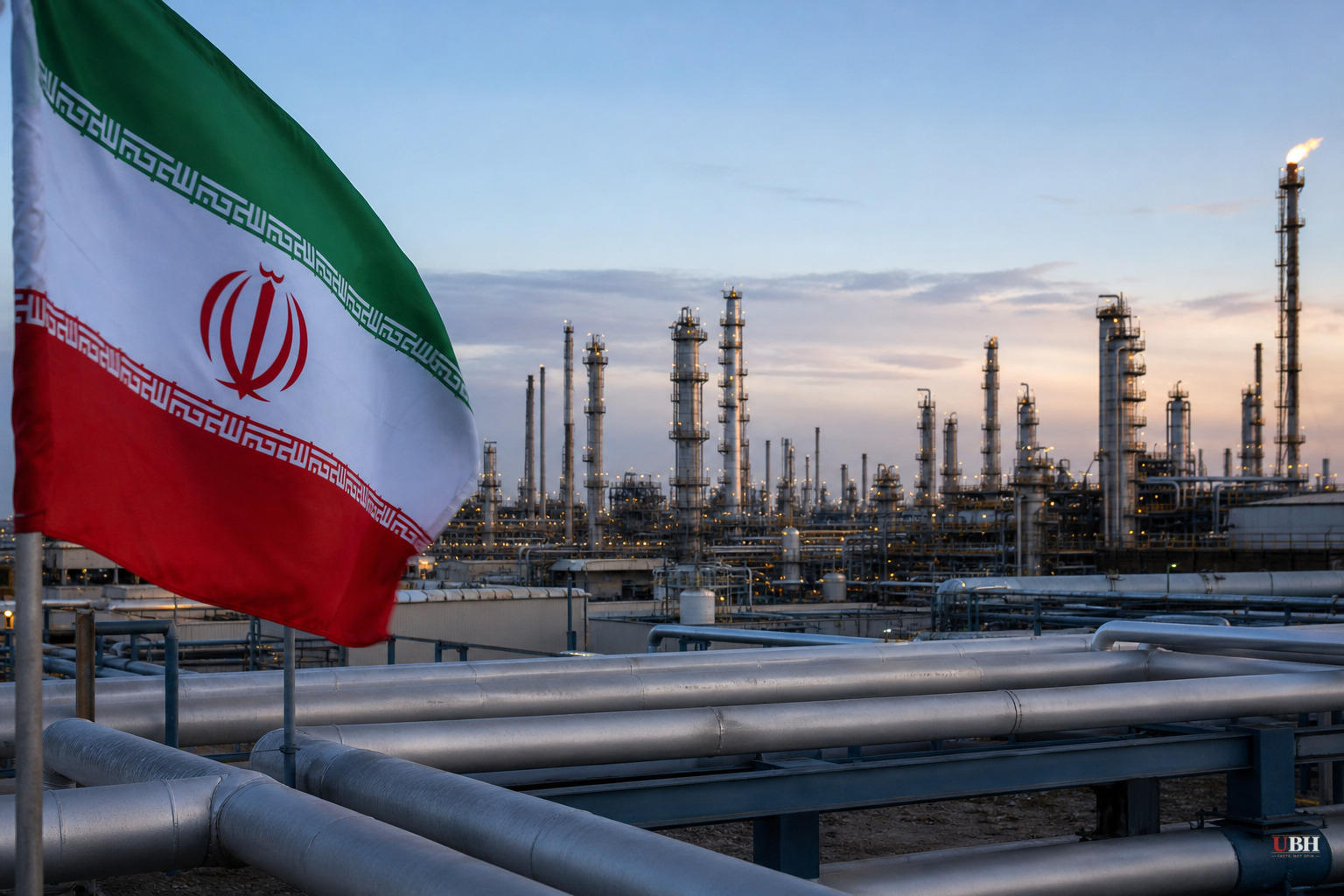
The single biggest near-term risk, according to the mid-year 2026 outlook cited by UCapital, is the Iran conflict and the oil prices it's dragging higher. Higher crude doesn't just hit gas pumps. It compresses corporate profit margins, reignites inflation, and dents consumer spending all at once, a three-front squeeze that shows up fast in earnings calls.
BNN Bloomberg's markets coverage backs up how live this risk is. Bloomberg reported that President Trump held off on ordering Iran strikes based on a pledge that a deal over the Strait of Hormuz is close. That's a direct, sourced signal that the administration sees off-ramp diplomacy as viable, not a green light for escalation. Separately, OPEC+ made what Bloomberg described as a small quota hike to finish unwinding its 2023 production cuts, a modest supply response that hasn't been enough to erase the geopolitical premium baked into oil prices.
Energy shocks have derailed rallies before. The 1973 oil embargo and the 1990 Gulf War spike both hit consumer spending and corporate margins hard, and both took real GDP down with them. If Hormuz tensions worsen instead of resolving, the "small headwind" UCapital describes could turn into something bigger fast. The transmission channel is straightforward: oil prices to inflation to Fed policy to equity valuations. The mechanism is real even if the outcome is unresolved.
Tariffs and the Fed Add More Fog
UCapital's outlook lists tariff escalation and "persistent uncertainty over Federal Reserve policy" alongside oil as the main forces complicating the picture. Neither gets a specific number attached in the available reporting, which itself says something: the market is pricing in ambiguity, not a defined shock. BNN Bloomberg's roundup separately notes that major unions want the U.S. to reconsider its trade regime, an added pressure point on tariff policy that could move in either direction depending on how Washington responds.
Currency markets are catching the ripple effects too. Bloomberg reported that yen traders are bracing for more intervention, with Japan reportedly getting backing from the U.S. on that front, a sign that G7 currency stability is itself becoming a live concern this cycle, not a settled backdrop.
What to Watch This Week
BNN Bloomberg flagged earnings from Shopify and Uber as the next concrete data points for investors parsing whether the AI-driven earnings story is holding up on the ground, outside the mega-cap tech names that have carried the rally so far. Those reports will be an early real-world test of whether "AI supercycle" earnings growth is broadening into sectors like e-commerce and ride-hailing or staying concentrated at the top.
The unresolved question heading into August is straightforward: does the Hormuz situation get resolved through the diplomacy Trump is reportedly banking on, or does it escalate and turn a manageable oil-price headwind into the kind of shock that has derailed bull markets before? Nothing in the available reporting answers that yet. It's the single variable most likely to decide whether UCapital's modest 3% six-month projection turns out to be too conservative or too optimistic.
Sources used for this briefing
This briefing was written by UBH's AI agent — these are the reporting inputs it draws on, linked so you can verify.


