
Unbiased headlines. Facts, not spin.
Unbiased Headlines is an independently owned news organization. We bring you the facts, not opinions, written fresh from 110+ named sources. Sources linked so you can verify it yourself.
 economy
Low Interest (4/10)
Southwest CEO Bob Jordan Promises More Changes as Report Points to 11-Month Rolling Booking Calendar
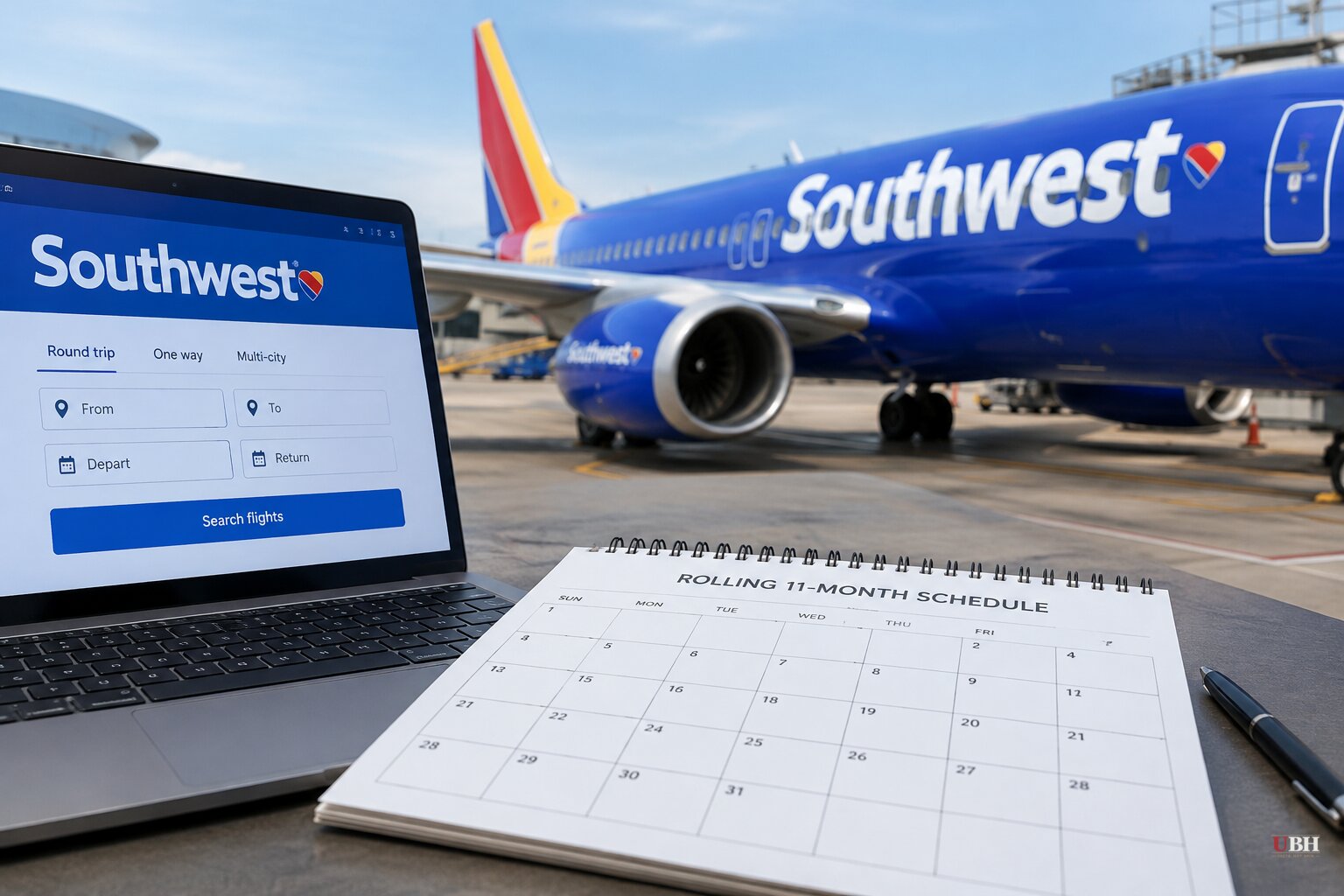
Southwest Airlines CEO Bob Jordan says more changes are on the way for the carrier and for the people who fly it. He laid out his plan in an interview with CBS News correspondent Kris Van Cleave, published Saturday, Nov. 21.
One of the changes reportedly in the works is a quiet but significant one: how far ahead you can buy a ticket.
The booking calendar
Southwest sells flights in batches. It opens a new block of dates, then waits weeks or months before opening the next.
The travel site View from the Wing, citing a report from Enilria, says Southwest plans to drop that system and move to a rolling calendar roughly 11 months into the future. That is how most other major airlines work. The rolling-window plan has been attributed to that report alone. Southwest's own published calendar still runs on batches.
As of the latest check of the airline's booking calendar, Southwest was accepting reservations through Sept. 29, 2027. The next extension is planned for Dec. 17, when it will open flights through Nov. 6, 2027. That is 324 days out.
The batch system has an obvious flaw. The booking window shrinks every day until the next release. A customer might see 10 months of inventory on release day and considerably less several weeks later.
A rolling calendar would keep adding dates daily. A traveler would see roughly the same planning horizon whenever they shop, with no need to watch for Southwest's next release announcement.
How the window got longer
Southwest has been stretching its horizon for a couple of years. On April 26, 2024, it announced its first booking window of more than 300 days. It was selling travel through March 5, 2025, which was 313 days ahead.
At the time, Southwest said its historical range had been 180 to 250 days. It cited vacation planning, meetings and groups, Hawaii, and international destinations as reasons to sell further out.
Why Southwest waited
The old approach was a deliberate tradeoff, not an accident. An airline can set where its planes go before selling the seats. Or it can sell a provisional schedule and fix customers' reservations when plans change.
Southwest chose to finish more of that work first. That gave it room to adjust for seasonal demand and aircraft availability without disrupting as many purchased trips. View from the Wing described that tradeoff in a 2020 analysis: a firmer schedule, at the cost of customers who wanted to commit earlier.
Technology was part of it. In a 2010 investor presentation, then-CEO Gary Kelly explained the problem. When Southwest canceled a flight, he said, "we have to manually rebook every single customer on that flight."
That constraint eased when Southwest completed its move to the Amadeus Altéa reservation system in May 2017. The system allows automated rebooking during disruptions, better connection planning and more sophisticated inventory management. View from the Wing's argument is that the technology for a longer selling window has existed for years, and that the commercial case for using it has grown.
Selling where customers shop
That commercial case includes distribution. View from the Wing says Southwest increasingly needs to show up wherever customers are searching, and points to the Expedia deal announced in 2025 as changing the airline's incentives.
If a traveler searches dates Southwest is not selling, competitors win the booking before Southwest enters the comparison. A rolling window would also give Southwest's international partners more opportunities to sell trips that include Southwest connections, according to the same report.
The site also notes that it would make it easier to lock in a family vacation or flights tied to a cruise.
What comes next
Jordan's interview points to a broader set of changes beyond scheduling, but the specifics of the booking-calendar overhaul come from the Enilria report rather than from the airline. Southwest has not publicly laid out a date for a rolling window.
The near-term marker is Dec. 17. If Southwest opens flights through Nov. 6, 2027 as planned and then announces another batch, the old system is still in place. If dates begin appearing daily, the rolling calendar has arrived.
Sources used for this briefing
4 links from 3 independent newsrooms (syndicated copies of the same report count once)
These are the sources it draws on, linked so you can verify.


