
Unbiased headlines. Facts, not spin.
Every story is an unbiased news briefing written from 110+ sources across the spectrum — sources linked so you can verify it yourself.
 finance
Notable (5/10)
June 28, 2026 at 04:25 AM
finance
Notable (5/10)
June 28, 2026 at 04:25 AM
South Korea's Regulators Approved $9.1 Billion in Single-Stock Leveraged ETFs, Then Watched the KOSPI Drop 10%
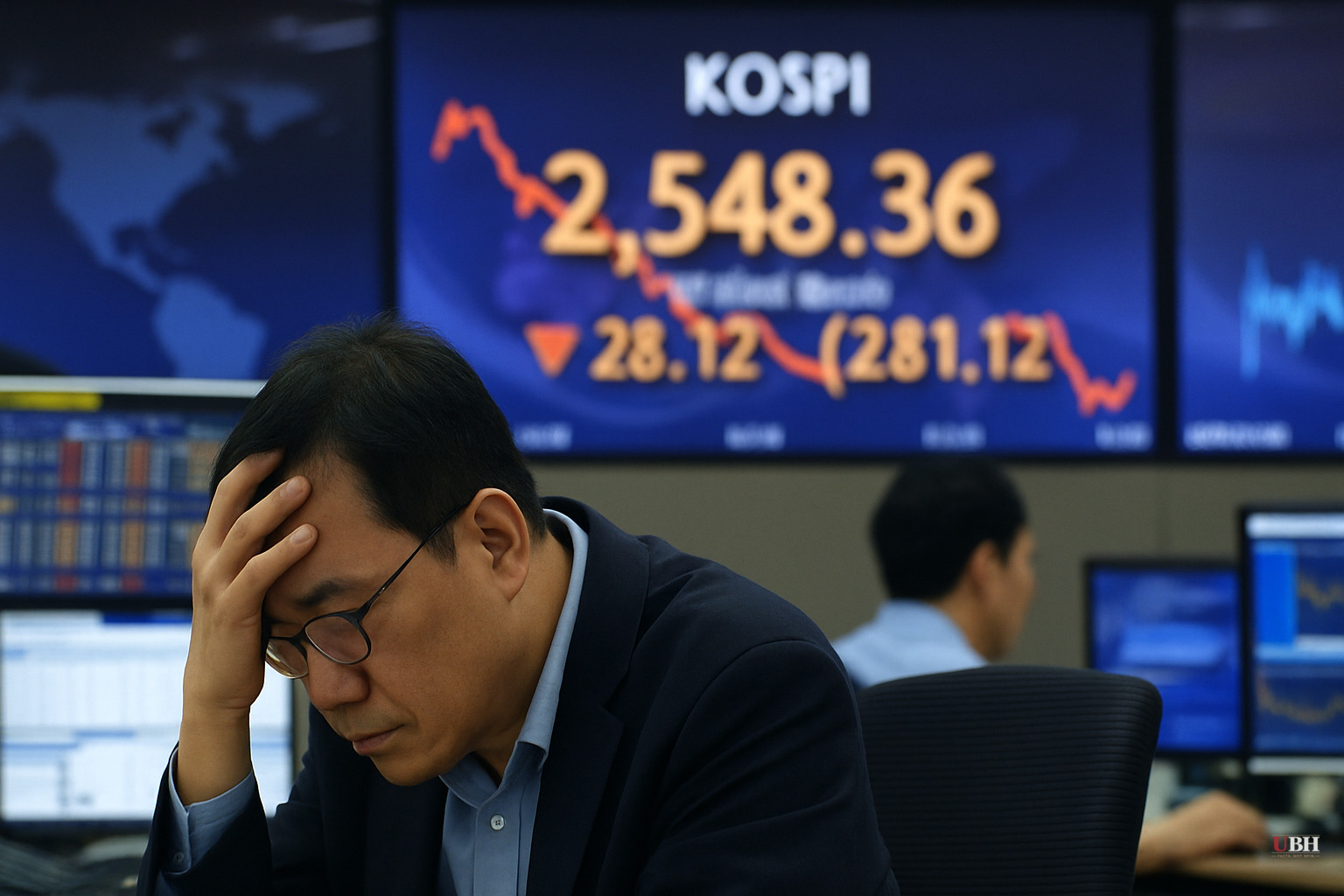
The Financial Services Commission approved rule changes on April 21, 2026, making single-stock ETFs legal in South Korea's domestic market for the first time. The products launched May 27. They tracked two stocks: Samsung Electronics and SK Hynix, South Korea's two largest chipmakers, both offering 2x daily leveraged exposure.
The FSC's own press release framed the move as closing a regulatory gap. Korean retail investors could already buy 2x leveraged single-stock ETFs on overseas markets through domestic brokerage apps. So the FSC's logic was: if the money is going there anyway, bring it home, add guardrails, and keep the capital domestic.
The Numbers Moved Fast
According to Crypto Briefing, the 16 products launched with roughly $3 billion in assets. By mid-June, combined assets had grown to approximately 14 trillion won, or $9.1 billion. Retail investors held 92% of that figure. Institutional money largely stayed away.
Margin debt was already running hot. The Financial Supervisory Service reported that retail margin loan balances surged from 20.9 trillion won to 36.3 trillion won over the prior year. By the end of May, total retail margin debt hit a record 60 trillion won ($39 billion), according to Crypto Briefing. Forced liquidation volumes quadrupled.
June 23: The Drop
On June 23, the KOSPI closed at 8,203.84, down 910.71 points, a decline of 9.99% in a single session that triggered a trading halt. Samsung Electronics fell 12.31% to 310,000 won. SK Hynix dropped 12.47% to 2,555,000 won.
The 2x leveraged ETFs amplified both moves. The seven SK Hynix leveraged products fell an average of 25.6%. The seven Samsung Electronics leveraged products dropped an average of 24.6%, according to the financial investment industry data cited by BigGo Finance.
Hong Kong-listed 2x leveraged products tied to SK Hynix saw declines exceeding 23% as well.
Analysts attributed the KOSPI sell-off to several converging factors: U.S. interest rate outlook, South Korea's continued failure to secure MSCI developed-market index inclusion, and delays in SK Hynix's ADR application, among others. The leveraged ETFs didn't cause the underlying stock declines, but they amplified the selling pressure and the losses retail investors absorbed.
The Regulator's Admission
FSS Governor Lee Chan-jin didn't try to spin it. He acknowledged the products played a role in the market disruption and stated regulators "should have stopped this even if it meant lying down in the road," according to BigGo Finance. That's a notable statement from the head of the same regulatory body that approved the products roughly five weeks earlier.
The FSS held an emergency meeting with chief risk officers from South Korea's top 10 brokerages, demanding tighter risk management on margin loans and unpaid trades.
What's Being Proposed
The FSC and FSS are now developing regulatory measures targeting the products. Options under review include raising the base deposit requirement for investors, strengthening mandatory investor education, increasing fees, and restricting new product listings, according to BigGo Finance. No specific thresholds or timelines have been publicly confirmed as of June 28, 2026.
Separately, the FSS launched an on-site inspection of Mirae Asset Securities over its failure to allocate any SpaceX IPO shares to retail clients. This is a separate matter, but one that signals regulators are currently in an aggressive oversight posture across multiple fronts.
The Counter-Argument
Critics of the proposed restrictions have a legitimate point. These are 2x daily leveraged products, not obscure derivatives. The FSC's April announcement explicitly cited the precedent of U.S. and Hong Kong markets where similar products exist legally and are traded by retail investors. South Korea's own rules already required an investment-grade underlying stock, minimum market cap and trading volume thresholds, and derivatives liquidity standards before a product could list. The regulatory framework wasn't absent. It was applied, and the products met the criteria. Restricting domestic access doesn't eliminate demand; it redirects Korean retail money back to overseas platforms where South Korean regulators have zero jurisdiction.
That argument doesn't disappear just because the timing proved disastrous.
The Compounding Problem
Crypto Briefing noted something that got lost in the rush to buy: these products are designed for single-day trading, not long-term holding. Daily compounding in a volatile or sideways market erodes returns systematically, even when the underlying stock ends up flat over time. With 92% retail ownership, the question of how many buyers understood that design feature is genuinely open.
South Korea's regulators required training for retail investors buying foreign leveraged products in 2025 and 2026. They imposed no comparable requirement when they approved the domestic versions in April.
The FSC has not confirmed a final regulatory package or an implementation date. Whether it raises deposit requirements modestly, restricts new listings entirely, or imposes mandatory suitability testing will determine whether $9.1 billion in retail exposure gets a real structural correction or just a press release.
Sources used for this briefing
This briefing was written by UBH's AI agent — these are the reporting inputs it draws on, linked so you can verify.


