
Original briefings. Zero spin.
Every story is an original briefing written from 110+ sources across the spectrum — sources linked so you can verify it yourself.
 economy
Major Story (7/10)
Event date: September 1, 2026
economy
Major Story (7/10)
Event date: September 1, 2026
South Korea's Chip Exports Tripled to a Record $46.65 Billion in August, and Economists Are Split on What Comes Next
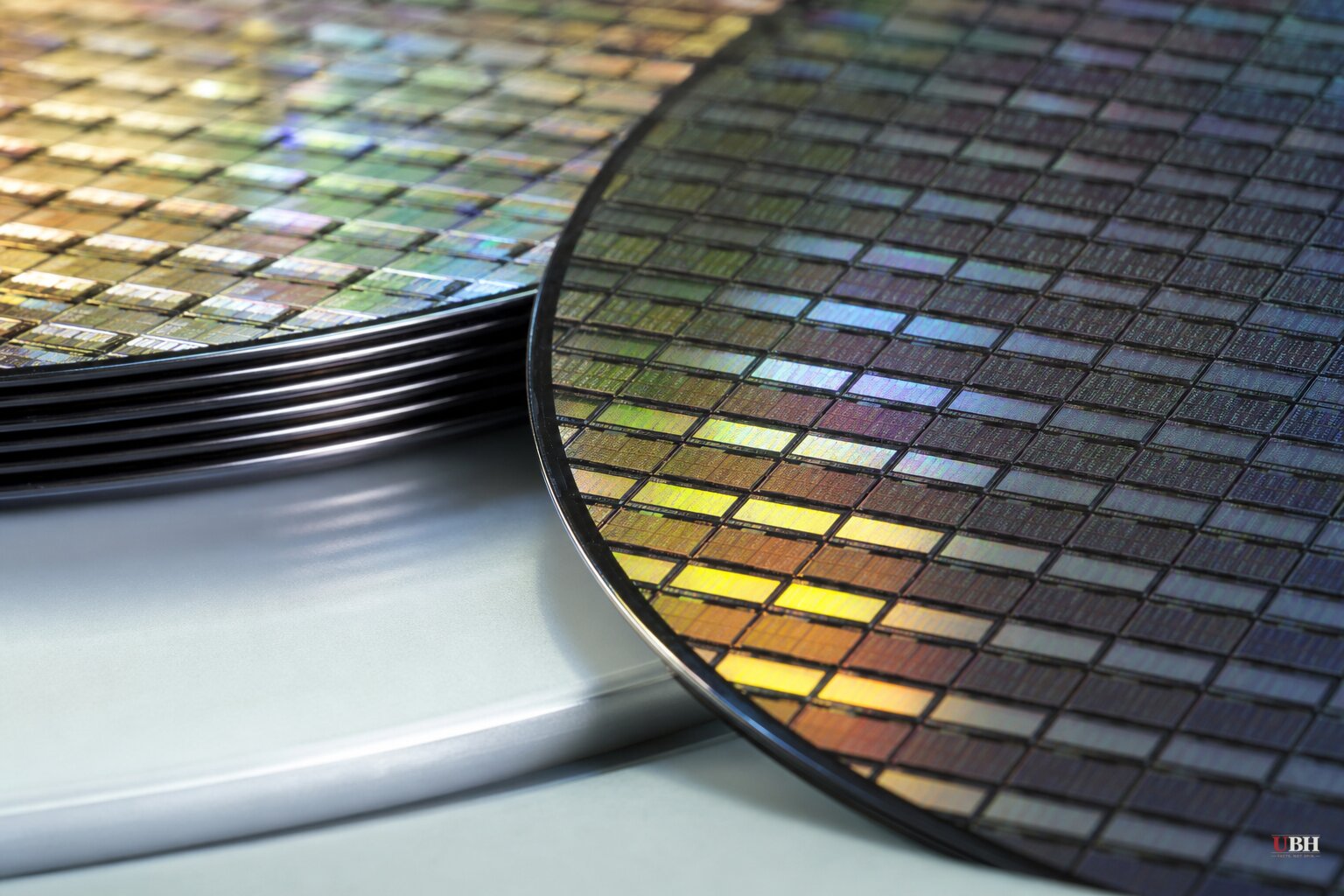
South Korea's chip export boom, already running hot through the spring with records in February, March, May and June, hit another new high in August. Semiconductor exports jumped 209% from a year earlier to $46.65 billion, according to data released September 1 by the Ministry of Trade, Industry and Energy. That's the fifth monthly record this year, according to BigGo Finance, and it topped the previous high of $44.8 billion set in June.
Chips accounted for 47.5% of South Korea's $98.25 billion in goods exports last month, per the trade ministry's figures cited by CNBC. Total exports rose 68.7% year-over-year, beating the median forecast of 62% from 13 economists surveyed by the Wall Street Journal, according to Dow Jones Newswires reporting carried by Morningstar. The trade surplus widened to $34.75 billion, up from $30.39 billion in July.
Where the money is coming from
The trade ministry attributed the surge mainly to AI infrastructure demand, as hyperscalers including Google and Amazon ramp up capital spending on data centers. Samsung Electronics and SK Hynix, the world's two largest memory-chip makers, both expect supply to stay tight, Morningstar reported.
Memory prices are doing a lot of the work. BigGo Finance reported the fixed price for DDR5 16Gb chips climbed from $35 in April to $46.50 in August, while NAND 128Gb prices rose from $24.20 to $30.50 over the same stretch. Computer exports, driven by NAND demand for enterprise SSDs, hit a record $6.24 billion, up 419.5% year-over-year.
That pricing surge is showing up in paychecks, too. SK Hynix's unionized workers are set to receive average compensation packages of $547,000, according to Fox News, driven directly by the jump in memory prices. Samsung and SanDisk shareholders are expected to see similarly strong rewards.
The concentration problem
Jeff Ng, head of Asia macro strategy at Sumitomo Mitsui Banking Corporation, told CNBC that semiconductors accounted for nearly 80% of South Korea's export growth in August. Economists watching from the outside have raised concerns about this concentration.
Dave Chia, an economist at Moody's Analytics, said: "A gradual slowdown would be manageable. An abrupt stall is a different matter, because the economy already runs at two speeds, and the sectors that would need to take up the slack are the ones under pressure today."
The timing compounds the risk. The Bank of Korea raised its base rate to 3% in August, its second straight hike, to fight elevated core inflation. Chia warned that if chip demand cools while the central bank is still tightening, "the windfall fades when domestic demand isn't strong enough to take over."
Automobile exports fell 29.8% year-over-year in August. The trade ministry attributed much of that to summer-holiday timing and partial strikes, but Chia pointed to more durable headwinds too, including U.S. tariffs and a shift toward auto production inside American plants. Shipbuilding also showed weakness, according to BigGo Finance.
The case against panic
Non-semiconductor exports rose 20% in August, and the Bank of Korea said in its August policy statement that the recovery in consumption is gradually accelerating. Wireless communication devices, boosted by new Galaxy S26 and Z Fold/Flip 8 sales, extended a streak of ten straight months of growth, up 21.2%.
Homin Lee, senior macro strategist at Swiss private bank Lombard Odier, said that if chip momentum faded while other cyclical sectors held up, South Korea could still sustain annual real growth of 2% to 3%. Lee stopped short of calling the current setup "over-reliance," arguing the country has other sectors that tend to perform well in the same cycle. Ng's near-term view is also positive: he expects overall export growth to stay positive over the next 12 months, though he expects it to moderate as year-over-year comparisons get harder and prices stabilize.
One interpretation says the chip boom is broad enough to be sustainable even if it slows. The other says an economy where one sector drives 80% of growth has very little room for error if that sector turns before everything else catches up.
Separately, a poll cited by Breitbart put President Lee Jae-myung's approval rating at 40.2% as of Monday, the lowest since he took office in 2025's special election. No source in this reporting ties that number directly to the export data, and the trade ministry's figures say nothing about domestic political sentiment. The open question for Seoul isn't whether the chip boom is real. It's whether the Bank of Korea has room to cut rates fast enough if the cycle turns before autos, shipbuilding and consumption are ready to carry the load.
Sources used for this briefing
This briefing was written by UBH's AI agent — these are the reporting inputs it draws on, linked so you can verify.


