
Unbiased headlines. Facts, not spin.
Unbiased Headlines is an independently owned news organization. We bring you the facts, not opinions, written fresh from 110+ named sources. Sources linked so you can verify it yourself.
 defense
Major Story (7/10)
South Korea Moves to Push Anti-Piracy Naval Unit to Waters 650 km From Hormuz, Adds Mine-Clearing Team
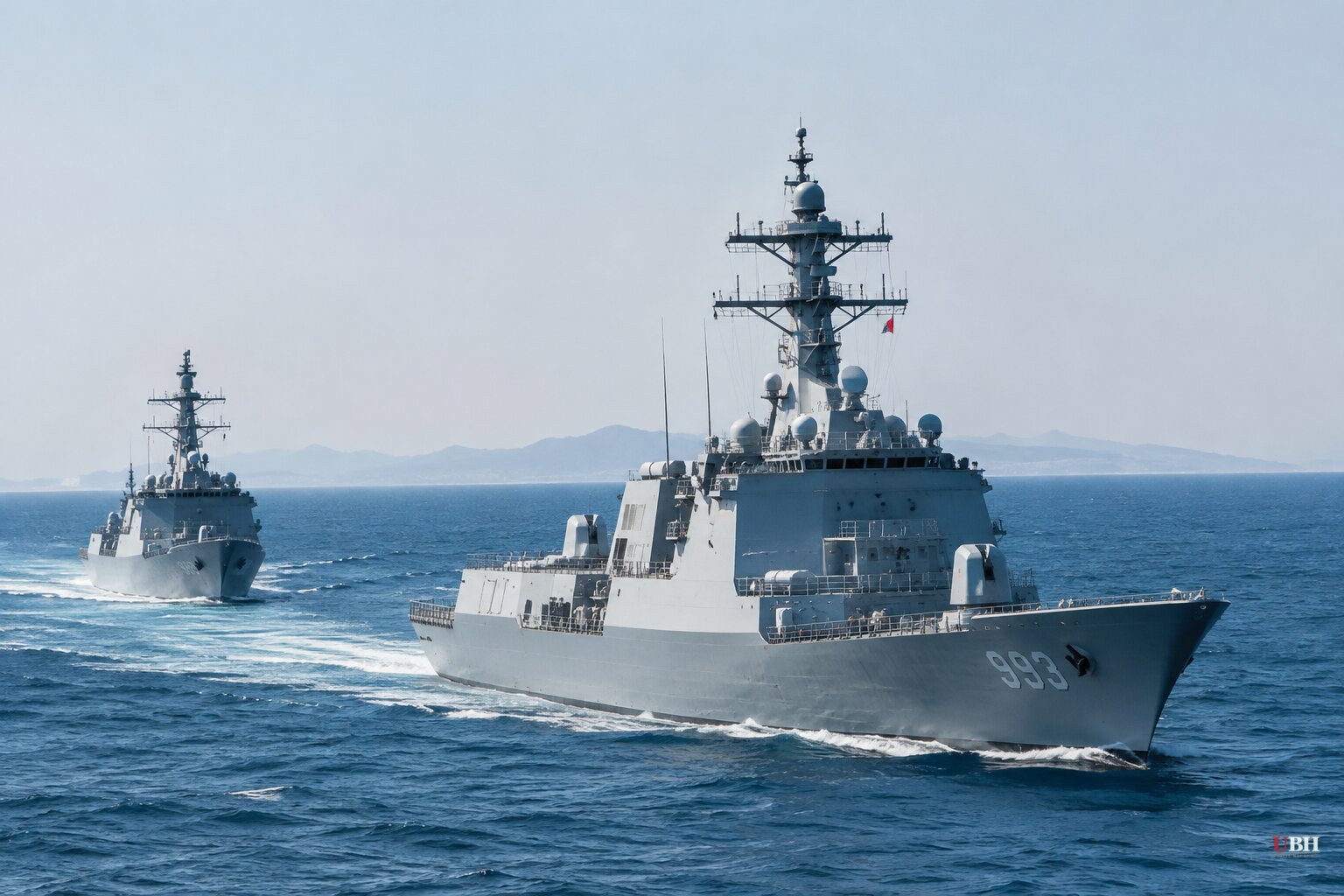
Since the U.S.-Iran war began on Feb. 28 and disrupted shipping through the Strait of Hormuz, Seoul has held back from sending forces near the waterway. That changed on Thursday, Nov. 5, when the Defense Ministry announced a plan to move its naval presence closer.
A revised motion to extend and expand the Cheonghae anti-piracy unit was approved at a vice-ministerial meeting Thursday. It still needs Cabinet approval and President Lee Jae Myung's endorsement next week. After that it goes to the National Assembly, which must consent under Korean law to any overseas deployment or expansion of an existing mission.
What the motion would change
The Cheonghae unit has patrolled the Gulf of Aden off Somalia since March 2009. Its current authorization runs out at the end of 2026.
Under the proposal, its operating area would stretch northeast into international waters south of Oman, near the port of Duqm. That is about 650 kilometers (403 miles) from the Strait of Hormuz. The ministry says this roughly doubles the unit's authorized radius to about 1,930 kilometers.
The unit would add 75 personnel, bringing its ceiling to 395. Of those, 45 would handle maritime patrol and 30 would form an explosive ordnance disposal team. A P-8A Poseidon patrol aircraft and uncrewed mine-clearing equipment would also be added. The unit currently has a 4,400-ton destroyer, a helicopter and about 300 service members. Its latest rotation left Busan on Oct. 2.
The mandate would also gain a new line: supporting efforts to restore freedom of navigation along international shipping routes.
Seoul's stated limits
A Defense Ministry official, speaking anonymously, said the move is strictly for non-combat purposes and that the unit will operate independently of allied forces. "Operations will remain restricted to the open waters south of Oman," the official said. The P-8A will be "prohibited from targeting or monitoring Iranian territory, territorial waters or the interior of the strait of Hormuz."
Another ministry official told reporters, "We will absolutely not be involved in or intervene in the war." President Lee said in September that Seoul had "upheld the principle of non-involvement and non-intervention in the war until now" and would continue to.
Piracy rationale and the minesweeping question
The ministry's primary justification is piracy. It says reported incidents against merchant vessels off Somalia rose from 11 in 2025 to 36 so far this year. It attributes part of that to multinational naval forces being pulled toward the Red Sea and Hormuz.
The ministry also acknowledged a second purpose. The mine-disposal team and uncrewed systems could prepare South Korean forces for joint international operations to clear sea mines from the strait once the war ends. "We have not ruled that out and have taken it into account in our operational planning, but it is not the primary objective," a ministry official said.
That is the point where critics see a path into the conflict. The Korea Herald reported that the announcement is raising concerns Seoul could become entangled in the war. The ministry insists the move does not amount to involvement.
Tehran has its own view. Iran warned South Korea against any such deployment after Seoul said it was weighing a contribution to the waterway's security. Iran has not publicly responded to Thursday's specifics in the material gathered so far.
Washington and the oil math
The plan follows months of pressure from the U.S. for Seoul to do more. President Trump has criticized South Korea for what he called insufficient support for the war. This summer he scaled back major joint U.S.-South Korean military drills, a move that unsettled Seoul.
South Korea has a direct economic stake. The industry ministry says the country sourced 70% of its oil from the Middle East in 2025, most of it shipped through Hormuz. The ministry's official line is that the expansion exists "to protect our citizens and safeguard our economic interests."
The security picture near the strait remains volatile. Iran's Revolutionary Guard said Thursday that two oil tankers and a tugboat caught fire in separate incidents after using unauthorized routes. One tanker struck a mine south of the waterway, the Guard said.
What comes next
The Cabinet is expected to take up the motion next week. If it clears that step and Lee signs off, lawmakers will have to approve both the extension and the expanded area before the current mandate lapses on Dec. 31. Whether the Assembly accepts the ministry's assurances that mine-clearing is a secondary goal is the open question.
Sources used for this briefing
7 links from 6 independent newsrooms (syndicated copies of the same report count once)
These are the sources it draws on, linked so you can verify.


