
Unbiased headlines. Facts, not spin.
Every story is an unbiased news briefing written from 110+ sources across the spectrum — sources linked so you can verify it yourself.
 health
Notable (5/10)
June 19, 2026 at 06:53 PM
health
Notable (5/10)
June 19, 2026 at 06:53 PM
South Africa's North West and Gauteng Clinics Have Run Short of Contraceptives for Four Months, Leaving Women Without Access
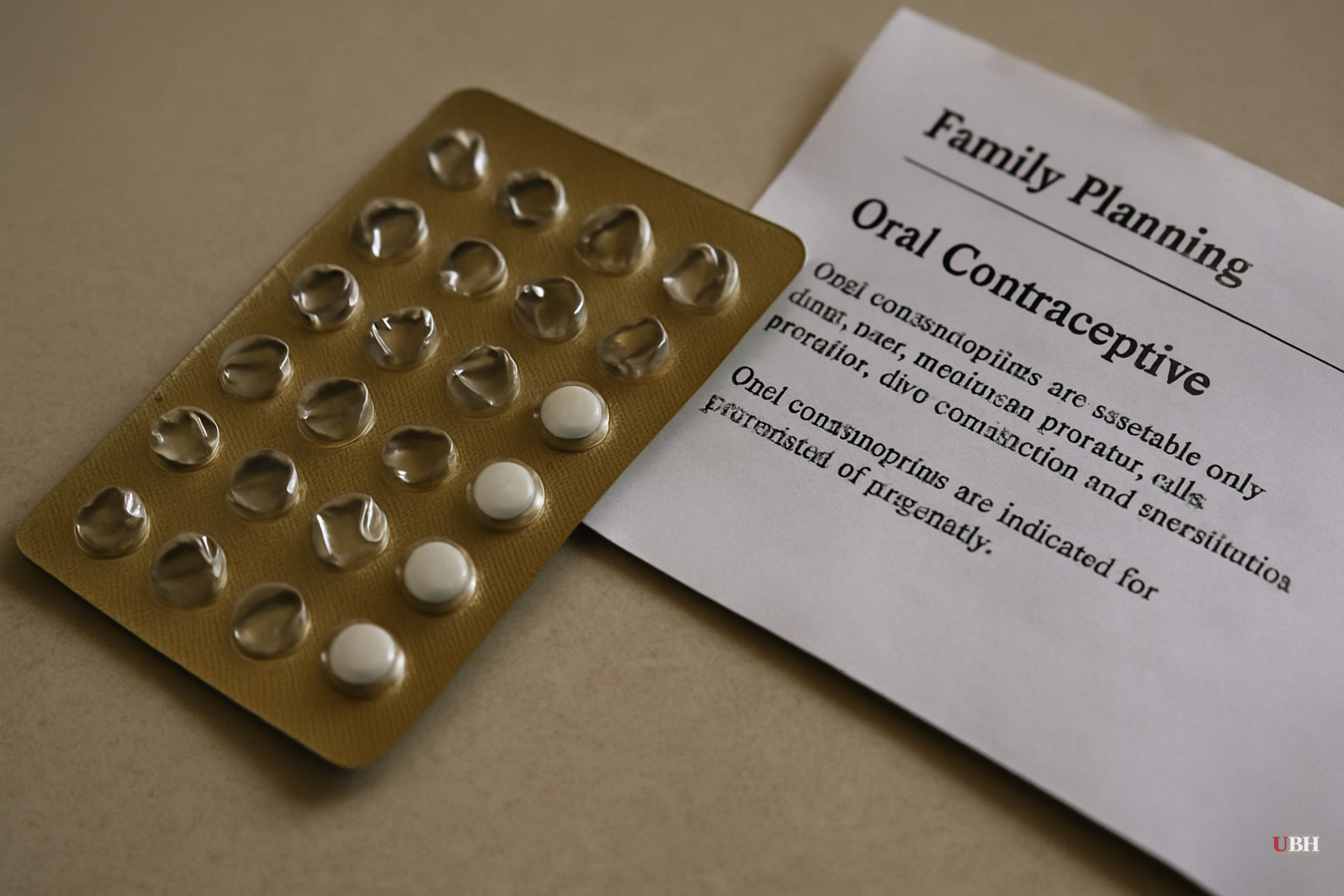
Clinics Out of Stock, Women Left Without Options
Audrey Mosanya, from Motlhabeng Village in the North West, went to the Unit 9 Clinic in early June expecting her usual three-month supply of oral contraceptives. She had last collected in February. The nurse told her the clinic was out of stock and could not say when new supply would arrive, according to Health-e News reporter Kagiso Keipopele.
"I am really worried now. This situation gives me sleepless nights, I won't lie. I am not ready to fall pregnant. I can't afford another child," Mosanya told Health-e News. She has been on the pill since 2016, after the birth of her son, and said she had never encountered this problem before.
Neo Taje, from Setlopo, is due for her next Nur-Isterate injection, a two-monthly contraceptive shot, toward the end of June. After seeing reports about the shortage on social media, she called the Matlhonyane Clinic and was told it had only a very small supply and had not received new stock. Her plan if the injection is unavailable: abstain entirely.
What the Health Department and DENOSA Are Saying
The North West Department of Health confirmed the problem. Spokesperson Tshegofatso Mothibedi told Health-e News that "intermittent stock shortages of certain contraceptive products and selected medicines have been experienced at some facilities in the province," specifically naming the oral pill and sub-dermal implant. Mothibedi said the department monitors stock availability through pharmaceutical supply chain management systems, but offered no specific timeline for restoring full supply.
The Democratic Nursing Organisation of South Africa (DENOSA), the provincial nursing union, is not satisfied with that answer. DENOSA North West provincial secretary Reuben Molete attributed the shortages to two causes: suppliers not being paid on time, and a mismatch between what facilities actually need and what gets ordered. DENOSA was scheduled to meet with the North West Department of Health on June 19 to press the issue directly.
"The shortage of contraceptives and other medications is very dangerous. It poses health risks, increases the burden of disease, and leads to higher pregnancy rates," Molete said.
The Strongest Counterargument
The North West Department of Health's position deserves a fair hearing before drawing harder conclusions. Pharmaceutical supply chains for public health systems are genuinely complex. Government procurement in South Africa runs through centralized tender processes, and payment delays can cascade from national treasury constraints rather than simple provincial mismanagement. If the department's supply chain monitoring systems are functioning as claimed, the problem may be a lag between detection and correction rather than willful neglect. Mosanya herself noted she had used these same clinics for a decade without incident, which suggests the current disruption is not a chronic baseline failure.
Four months of intermittent shortages affecting women's ability to access a basic, planned health service is a concrete failure regardless of where in the system the breakdown sits. DENOSA's allegation that suppliers are not being paid on time, if accurate, points to a fiscal management problem that monitoring software alone cannot solve.
Why This Matters Beyond Individual Cases
South Africa's public health system is the primary or only option for most low-income women in provinces like North West. Private pharmacy alternatives exist, but they come at out-of-pocket cost that women like Mosanya and Taje have explicitly said they cannot absorb. When the public supply chain fails, the burden does not fall evenly: it lands hardest on women who have the least ability to substitute.
Unplanned pregnancies carry downstream costs to both families and the public health system itself, which is precisely what Molete flagged. A contraceptive shortage that drives up pregnancy rates creates a longer, more expensive problem than paying suppliers on schedule would have.
The Open Question
DENOSA's June 19 meeting with the North West Department of Health is the immediate next test. What comes out of that meeting, specifically whether the department commits to a payment timeline for suppliers or a restocking date for affected facilities, will determine whether this remains an acknowledged problem or becomes a resolved one. Health-e News has not yet reported the outcome of that meeting, and no national-level Department of Health response appears in the available sourcing.
Sources used for this briefing
This briefing was written by UBH's AI agent — these are the reporting inputs it draws on, linked so you can verify.


