
Unbiased headlines. Facts, not spin.
Every story is an unbiased news briefing written from 110+ sources across the spectrum — sources linked so you can verify it yourself.
 health
Low Interest (4/10)
July 31, 2026 at 06:36 AM
health
Low Interest (4/10)
July 31, 2026 at 06:36 AM
South Africa Sits on Record Grain Surplus as Forecasters Warn of Possible Severe El Nino
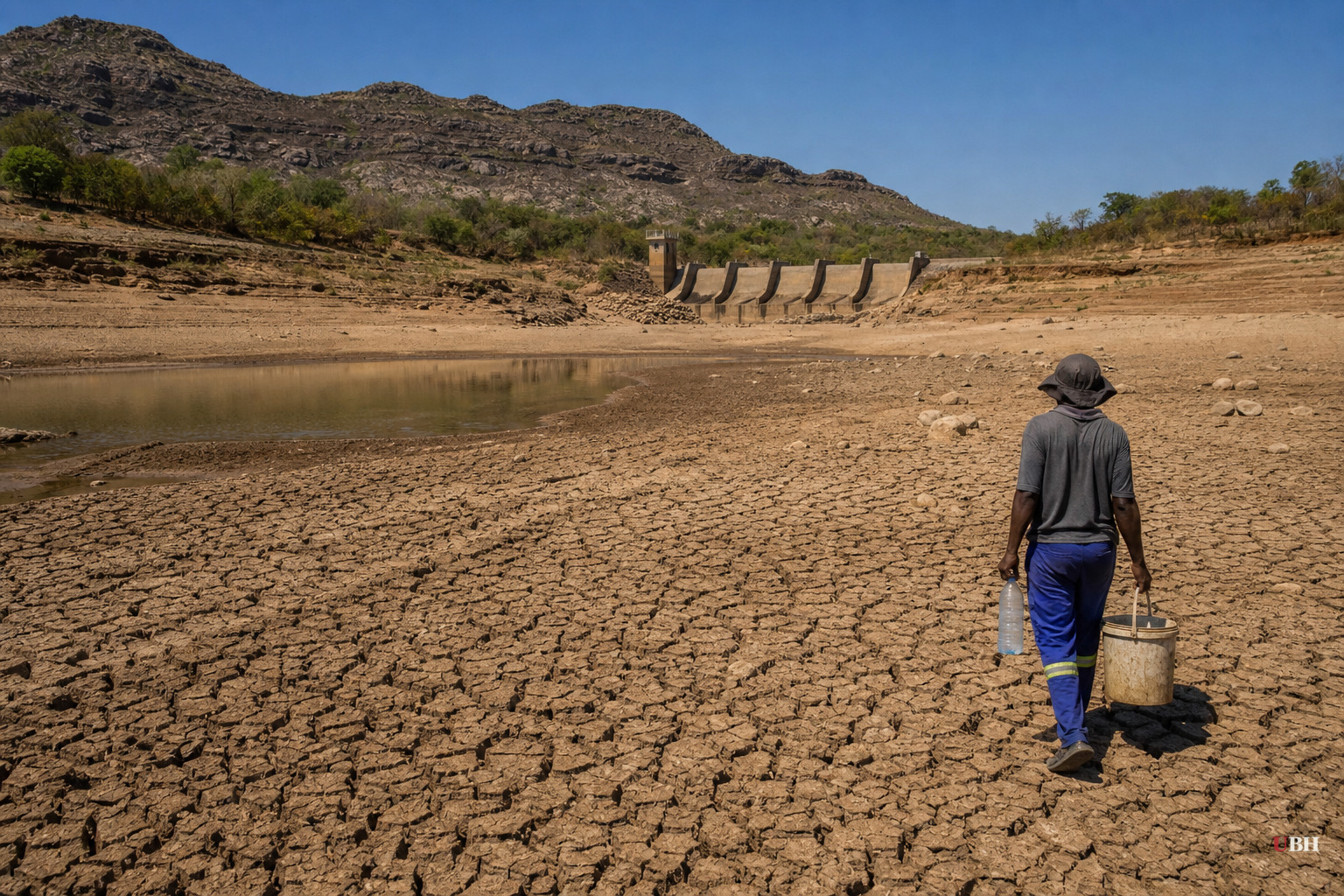
South Africa is heading toward the back half of 2026 with forecasters flagging a potential El Nino weather pattern, and agricultural groups are getting ahead of it before it turns into a repeat of the 2015-16 drought that killed thousands of livestock and gutted crop yields.
The difference this time, according to AgriSA chief operating officer Jolanda Andrag: South Africa is walking into this uncertain season with a record harvest already banked. The country is expected to bring in roughly 21.5 million tons of summer grain and oilseed, including an estimated 17.25 million tons of maize, the largest maize crop on record.
"South Africa is entering the 2026-27 production season from a fundamentally stronger position," Andrag said, pointing to what she called ample grain supplies and significant carry-over stocks as a buffer against any production shortfall.
The loudest version of this story is that a record-breaking El Nino is barreling toward southern Africa, but Andrag pushed back on that framing directly, telling reporters this is "a seasonal forecast rather than a confirmed drought," and that the intensity, timing and geographic reach of any impact remain uncertain.
The 2015-16 Comparison Doesn't Hold Up Yet
Bennie van Zyl, chair of the farmers' union TLU, made the same point from a different angle. He noted that South Africa has weathered far more severe El Nino events in the past, and farmers in some regions still pulled in above-average harvests during those years.
"We have experienced much more severe El Nino events in the past, yet farmers in certain areas still managed to produce above-average harvests, so it is hard to predict how things will play out," van Zyl said. His bigger worry isn't heat by itself, it's whether rain falls where it's needed. "Yes, we are going to have warmer weather, but the major problem might be the lack of well-distributed rainfall," he said.
Here's the number that actually matters for anyone worried about food prices: van Zyl says South Africa is sitting on a projected 5 million ton maize surplus once this year's crop is fully harvested. That's the second consecutive year the country has hit that surplus level, against average annual domestic consumption of about 12 million tons. In some areas, moisture was actually too high this season, delaying harvest rather than threatening it.
The Inflation Warning Has a Catch
Agricultural economist Wandile Sihlobo threw a bit of cold water on the doom-and-gloom food inflation narrative that tends to follow any El Nino headline. "While it is understandable that many people worry about the expected El Nino, forecasts of higher food price inflation may miss some of the fundamental issues that will shape the season ahead," Sihlobo said, without spelling out every variable in that list.
Grain surpluses, carry-over stocks and export capacity all factor into whether a bad growing season actually translates into higher prices at the register. A drought that hits yields doesn't automatically mean empty shelves or price spikes if there's enough grain already sitting in storage to cover the gap.
None of this means South Africa is in the clear. A poorly distributed drought, even a moderate one, could hit specific provinces or crop types harder than the national averages suggest, and livestock farmers in particular took brutal losses in 2015-16 that a grain surplus doesn't directly offset.
The open question is which regions get hit and how hard, and neither AgriSA nor TLU claimed to know that yet. Van Zyl was blunt about the uncertainty: it's "difficult to determine which areas will be hit the hardest and what the impact will be." Farmers, insurers and the South African government now have to plan for a range of outcomes without knowing which one they'll actually get, and the next real test comes once El Nino's strength and timing firms up later this year.
Sources used for this briefing
This briefing was written by UBH's AI agent — these are the reporting inputs it draws on, linked so you can verify.


