
Unbiased headlines. Facts, not spin.
Every story is an unbiased news briefing written from 110+ sources across the spectrum — sources linked so you can verify it yourself.
 health
Notable (5/10)
June 19, 2026 at 10:11 PM
health
Notable (5/10)
June 19, 2026 at 10:11 PM
South Africa Contraceptive Shortage: Women in North West Report Four Months Without Restocked Pills and Injections
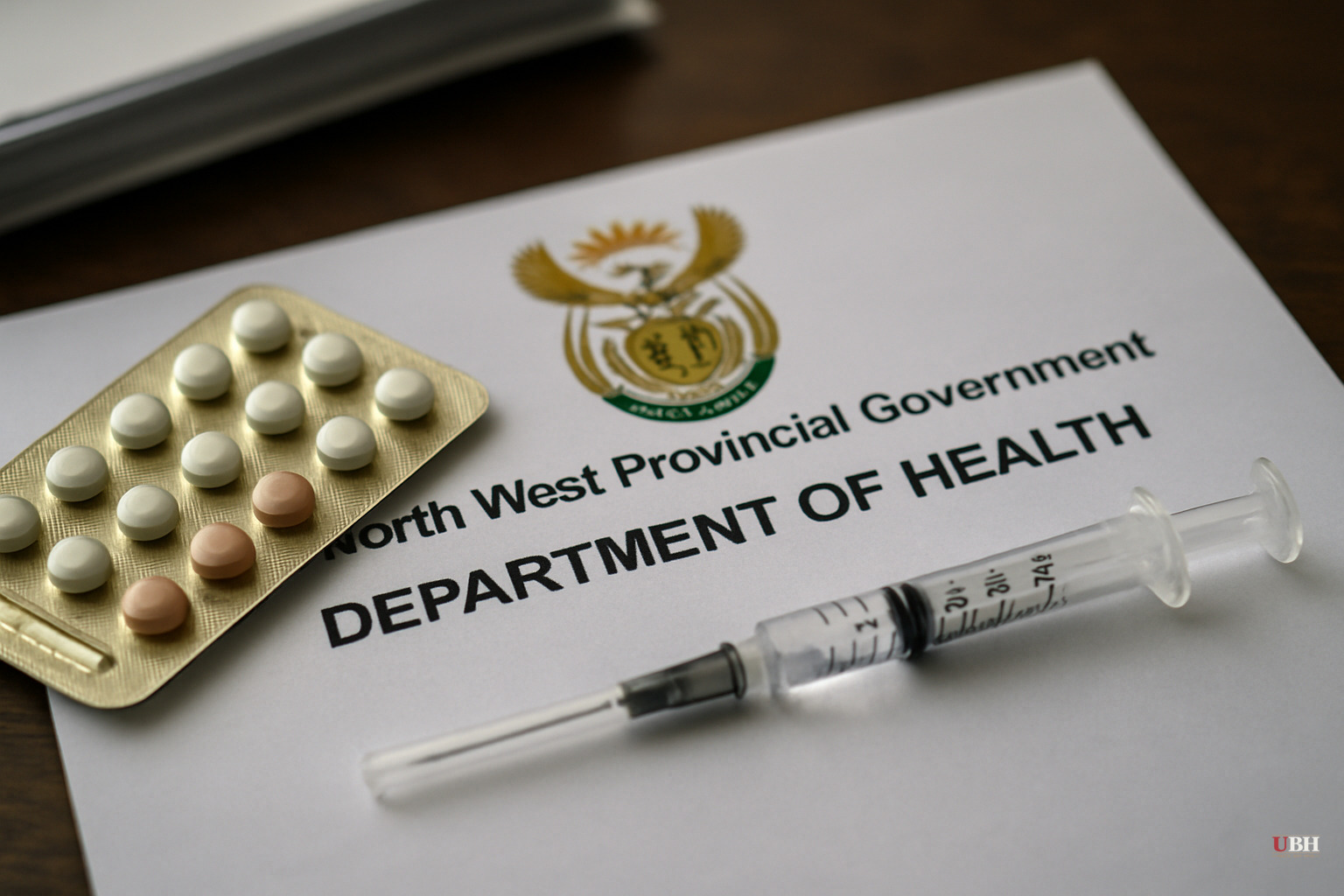
Since the shortage was first reported spreading across North West and Gauteng clinics in early 2026, the human picture has become clearer. It is not improving.
Audrey Mosanya, a resident of Motlhabeng Village in Mahikeng, told Health-e News that she visited Unit 9 Clinic in early June and was turned away empty-handed. She has been on the oral contraceptive pill since 2016, following the birth of her son, and says she had never encountered a supply problem until this year. Her last three-month supply was collected in February. The nurse gave no restock date. "I am really worried now. This situation gives me sleepless nights, I won't lie. I am not ready to fall pregnant. I can't afford another child," Mosanya said.
Neo Taje, from Setlopo, faces a different but equally concrete problem. She has been on Nur-Isterate, an injectable contraceptive administered every two months, since July 2025. Her next scheduled injection falls toward the end of June. After hearing about the shortages on social media, she called Matlhonyane Clinic directly. Staff told her stock was critically low and no new delivery had arrived. "If it's not available, I will rather abstain," she told Health-e News.
Abstinence is a choice. Going without a planned, time-sensitive injection because a government clinic ran out of a basic, cheap contraceptive is a supply chain failure.
What the Department of Health Says
The North West Department of Health has confirmed the problem. Departmental spokesperson Tshegofatso Mothibedi acknowledged to Health-e News that "intermittent stock shortages of certain contraceptive products and selected medicines have been experienced at some facilities in the province," specifically naming oral pills and sub-dermal implants. Mothibedi said the department "continuously monitors stock availability through pharmaceutical supply chain management systems."
Monitoring a shortage is not the same as fixing it. The department did not offer a restocking timeline in its statement.
DENOSA's Explanation and the June 19 Meeting
The Democratic Nursing Organisation of South Africa, DENOSA, has been the loudest institutional voice on this. The union's North West provincial secretary, Reuben Molete, has attributed the shortages to two connected failures: suppliers not being paid on time, and poor planning between actual patient need and what gets ordered. "The shortage of contraceptives and other medications is very dangerous. It poses health risks, increases the burden of disease, and leads to higher pregnancy rates," Molete said, according to Health-e News.
DENOSA had scheduled a meeting with the North West Department of Health for June 19. Whether the meeting produced concrete commitments — a payment schedule, a restocking date, an accountability mechanism — has not yet been reported.
The Stronger Concern Worth Acknowledging
Critics of the provincial health system argue that payment delays to suppliers are a symptom of a deeper structural problem: provincial health budgets in South Africa have faced mounting pressure from years of fiscal consolidation, combined with demand that keeps growing. From that perspective, blaming procurement staff for poor planning misses the point. If a department is chronically underfunded, no amount of better planning closes the gap. That argument deserves a fair hearing.
However, the North West Department of Health has not cited budget shortfalls as the cause. Its spokesperson's language was administrative: monitoring systems, intermittent shortages, variation by facility. DENOSA's Molete specifically named late supplier payments and planning mismatches, not a budget cut. Until the department releases procurement data or budget figures, the structural-underfunding argument remains plausible but unproven in this specific context.
PEPFAR and a Complicating Variable
The Trump administration announced a phase-out of PEPFAR funding for South Africa, citing diplomatic failures. PEPFAR primarily funds HIV treatment and prevention programs, not general contraceptive supply chains. But the two systems share infrastructure: clinics, nurses, cold chains, and pharmaceutical procurement networks. Whether PEPFAR's withdrawal will deepen existing supply problems — or whether the contraceptive shortage is entirely attributable to domestic procurement failures — is a genuine open question that no source has yet answered with data.
What Happens Next
The critical unresolved question is what came out of the DENOSA-Department of Health meeting on June 19. DENOSA demanded answers on supplier payments and restock timelines. If the department cannot show that outstanding invoices have been paid and that a resupply shipment is dated and dispatched, women like Neo Taje, whose injection appointment falls at the end of this month, will face the same empty clinic she feared when she first called Matlhonyane. Health-e News has not yet published any account of the meeting's outcome.
Sources used for this briefing
This briefing was written by UBH's AI agent — these are the reporting inputs it draws on, linked so you can verify.


