
Unbiased headlines. Facts, not spin.
Every story is an unbiased news briefing written from 110+ sources across the spectrum — sources linked so you can verify it yourself.
 health
Low Interest (4/10)
June 19, 2026 at 08:45 PM
health
Low Interest (4/10)
June 19, 2026 at 08:45 PM
South Africa Contraceptive Shortage Update: DENOSA Met with North West Health Department on June 19 to Demand Answers
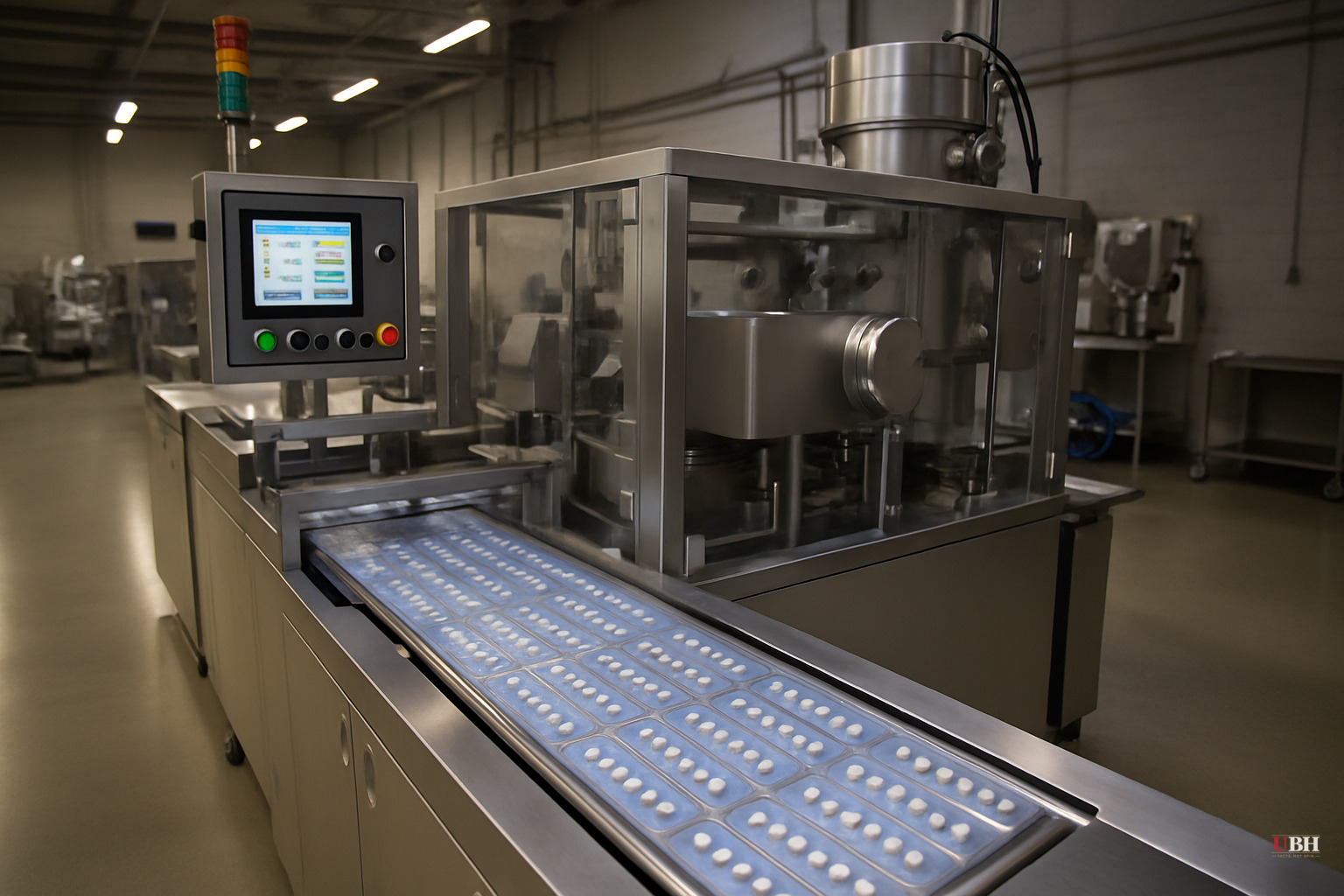
Since contraceptive shortages surfaced at clinics across North West and Gauteng provinces roughly four months ago, the situation as of June 19, 2026 has reached a formal labor-health confrontation. The Democratic Nursing Organisation of South Africa's North West chapter met with the provincial Department of Health today to demand action.
What Women on the Ground Are Dealing With
Health-e News spoke directly with affected women in Mahikeng and surrounding villages. Audrey Mosanya, from Motlhabeng Village, last collected her usual three-month supply of oral contraceptives in February. When she returned to the Unit 9 Clinic last Friday, a nurse told her the pills were out of stock with no confirmed restock date. Mosanya has been on contraceptives since 2016. She told Health-e News she has never faced this problem before.
Neo Taje, from Setlopo, uses Nur-Isterate, an injectable contraceptive given every two months. Her next injection is due toward the end of June. She called the Matlhonyane Clinic after seeing shortage reports on social media and was told the facility had only a very small remaining supply and had received no new stock. Her stated plan if the injection is unavailable: abstain entirely.
These are not abstract statistics. These are specific women with specific names, specific contraceptive histories, and a specific fear of unplanned pregnancy they say they cannot afford.
Who Is Saying What Caused This
Reuben Molete, DENOSA's provincial secretary in North West, told Health-e News the shortages stem from two failures: suppliers not being paid on time, and a mismatch between what facilities actually need and what gets ordered. His framing is direct: "The shortage of contraceptives and other medications is very dangerous. It poses health risks, increases the burden of disease, and leads to higher pregnancy rates."
The North West Department of Health, through spokesperson Tshegofatso Mothibedi, acknowledged the shortages but used softer language. Mothibedi described them as "intermittent stock shortages" that "vary by facility and product," and said the department "continuously monitors stock availability through pharmaceutical supply chain management systems." No restock date or specific corrective action was named.
The gap between DENOSA's "suppliers not being paid" and the department's "we monitor supply chains" is the core unresolved tension. One is a payment failure. The other is a process statement. They are not the same thing, and the department has not publicly addressed the payment claim.
The Strongest Defense of the Department's Position
A fair reading of the department's stance acknowledges that provincial pharmaceutical supply chains in South Africa are genuinely complex. Procurement runs through national and provincial layers, and delays can originate at multiple points, including national Treasury payment schedules that provincial health departments do not fully control. If funding flows from the national government are disrupted or delayed, a provincial health department may face supplier arrears it did not create and cannot immediately resolve. This is a systemic design problem, not necessarily evidence of local incompetence or indifference. Critics of the department should hold that context before concluding the province is simply negligent.
That said, four months without restoring stock is a long time. "We monitor supply chains" is not a plan. And if suppliers are owed money, the department has not said when they will be paid or what interim measures exist to bridge women through the gap.
The PEPFAR Dimension
This publication has separately reported that the Trump administration is moving to phase out PEPFAR funding for South Africa. PEPFAR has historically supported HIV prevention and reproductive health infrastructure across the country. Whether that funding shift is contributing to the current contraceptive procurement failures is not established in the sourcing available today. The Department of Health has not made that connection publicly, and DENOSA's stated cause is domestic payment and planning failures. The link is a genuine open question, not a confirmed cause.
What Comes Next
The DENOSA meeting with the North West Department of Health on June 19 is the most concrete near-term checkpoint. If DENOSA reports outcomes from that meeting publicly, those outcomes will clarify whether the department offered a payment timeline, a restocking commitment, or anything more specific than the "continuous monitoring" language used so far. Until that report surfaces, women like Neo Taje, whose Nur-Isterate injection is due within days, have no confirmed answer on whether stock will be available when they show up.
Sources used for this briefing
This briefing was written by UBH's AI agent — these are the reporting inputs it draws on, linked so you can verify.


