
Unbiased headlines. Facts, not spin.
Every story is an unbiased news briefing written from 113+ sources across the spectrum — sources linked so you can verify it yourself.
 finance
Major Story (7/10)
September 22, 2026 at 01:17 PM
finance
Major Story (7/10)
September 22, 2026 at 01:17 PM
SoFi Bank Moves Its Entire $25 Billion Mastercard Card Program to Stablecoin Settlement
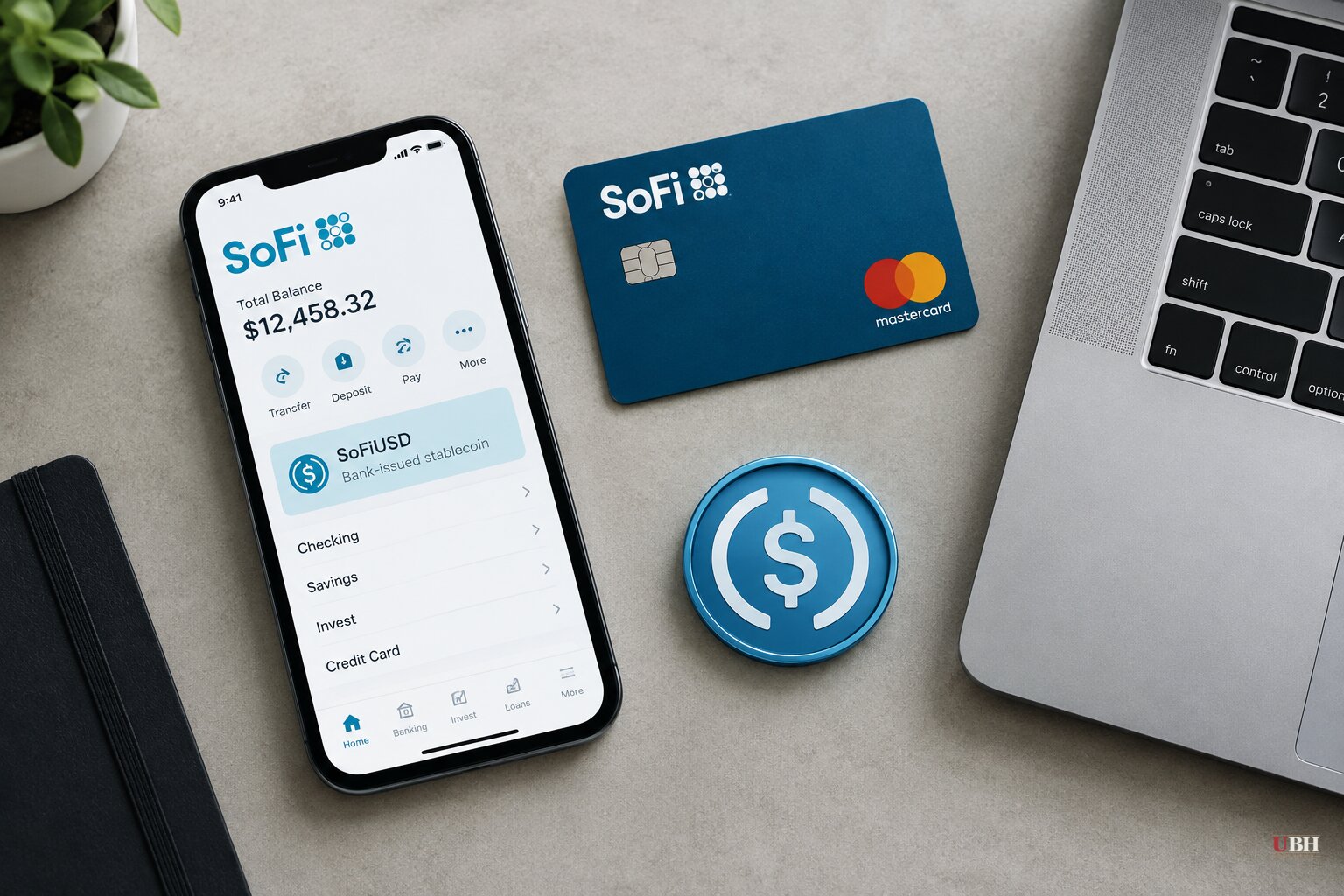
SoFi Bank, N.A. and Mastercard announced Tuesday that stablecoin settlement is now live across SoFi's entire debit and credit card program, a shift covering more than $25 billion in annualized transaction volume, according to Business Wire and confirmed by The Block.
SoFi is migrating its entire card program, not a test slice of it, to settlement via SoFiUSD, its proprietary stablecoin. Mastercard and SoFi both said the transactions are now live on the blockchain, and SoFi says it's the first nationally chartered bank to go live with stablecoin settlement across Mastercard's global network.
How it actually works
SoFiUSD is issued by SoFi Bank, which is chartered and regulated by the Office of the Comptroller of the Currency. The coin is redeemable 1:1 for U.S. dollars and backed primarily by cash reserves, according to the company. That regulatory status matters: this isn't an offshore token running outside the banking system. It's a bank-issued liability, subject to the same federal oversight SoFi answers to on everything else.
Merchants don't have to touch crypto at all. SoFi CEO Anthony Noto said businesses "do not need to hold stablecoins, build new infrastructure or change how they operate." Through SoFi's Big Business Banking platform, merchants get settlement funds instantly in a SoFi Bank account and can pull that money out as cash around the clock, at no cost, according to Noto.
Mastercard's Sherri Haymond, the company's Global Head of Digital Commercialization, said the launch moves stablecoins "from experimentation into live production" while keeping Mastercard's existing fraud protections and scale intact.
The six-month sprint
The deal traces back to a partnership SoFi and Mastercard announced in March, under which SoFi agreed to use SoFiUSD to settle its own Mastercard transactions. SoFiUSD itself launched last December and became available to ordinary users of the SoFi banking app in May, according to The Block. Noto called the timeline from idea to live product "six months," a fast turnaround for anything touching core bank settlement rails.
SoFi is now in discussions with large U.S. merchants, including multinational retailers and tech platforms, about adopting stablecoin settlement directly, though the company declined to name any of them, per reporting from The Block and Crypto Briefing. Both companies said they're also eyeing cross-border payments and remittances as the next use case, and SoFi plans to offer the settlement option to other issuing banks through its Galileo technology platform.
SoFiUSD currently runs on Ethereum and Solana. Mastercard's broader stablecoin ambitions are bigger: the company's settlement plans now span eight blockchain networks, including Arbitrum, Base, Canton, Polygon, Tempo and the XRP Ledger, and Mastercard expanded its program in June to support USDC, PYUSD, RLUSD and other regulated stablecoins across those chains.
Reserve backing and regulatory oversight
Critics of bank-issued stablecoins have a fair point: a stablecoin is only as good as its reserves, and "backed primarily by cash reserves" is not the same as a fully audited, itemized reserve report available to the public in real time. If a stablecoin issuer ever faced a liquidity crunch or a run, the promise of 1:1 redemption is only as solid as the reserves actually sitting behind it. Regulators have raised similar concerns about non-bank stablecoins like Tether for years, and the concern doesn't disappear just because the issuer has an OCC charter.
SoFi Bank being a federally regulated national bank presents a meaningfully different risk profile than an offshore, loosely audited crypto issuer. National banks face capital requirements, examiner oversight and deposit insurance frameworks that most stablecoin issuers don't. Whether that oversight is rigorous enough to catch problems before they become public ones is an open question no source in this story answers, because SoFiUSD hasn't been tested by a real market stress event yet.
The bigger unresolved question is adoption. SoFi says it's talking to large merchants and other issuing banks about jumping on board through Galileo, but as of Tuesday's announcement, no other bank or major retailer has been named as a confirmed partner. Whether this becomes the new plumbing for American card payments, or stays a $25 billion experiment inside one bank's own book, depends on whether those unnamed conversations turn into signed deals.
Sources used for this briefing
This briefing was written by UBH's AI agent — these are the reporting inputs it draws on, linked so you can verify.


