
Unbiased headlines. Facts, not spin.
Every story is an unbiased news briefing written from 110+ sources across the spectrum — sources linked so you can verify it yourself.
 finance
Notable (6/10)
July 12, 2026 at 02:32 AM
finance
Notable (6/10)
July 12, 2026 at 02:32 AM
SK Hynix's Wall Street Debut Sparks Bubble-Top Debate as Kospi Enters Bear Market and UBS Fragility Gauge Hits Record High
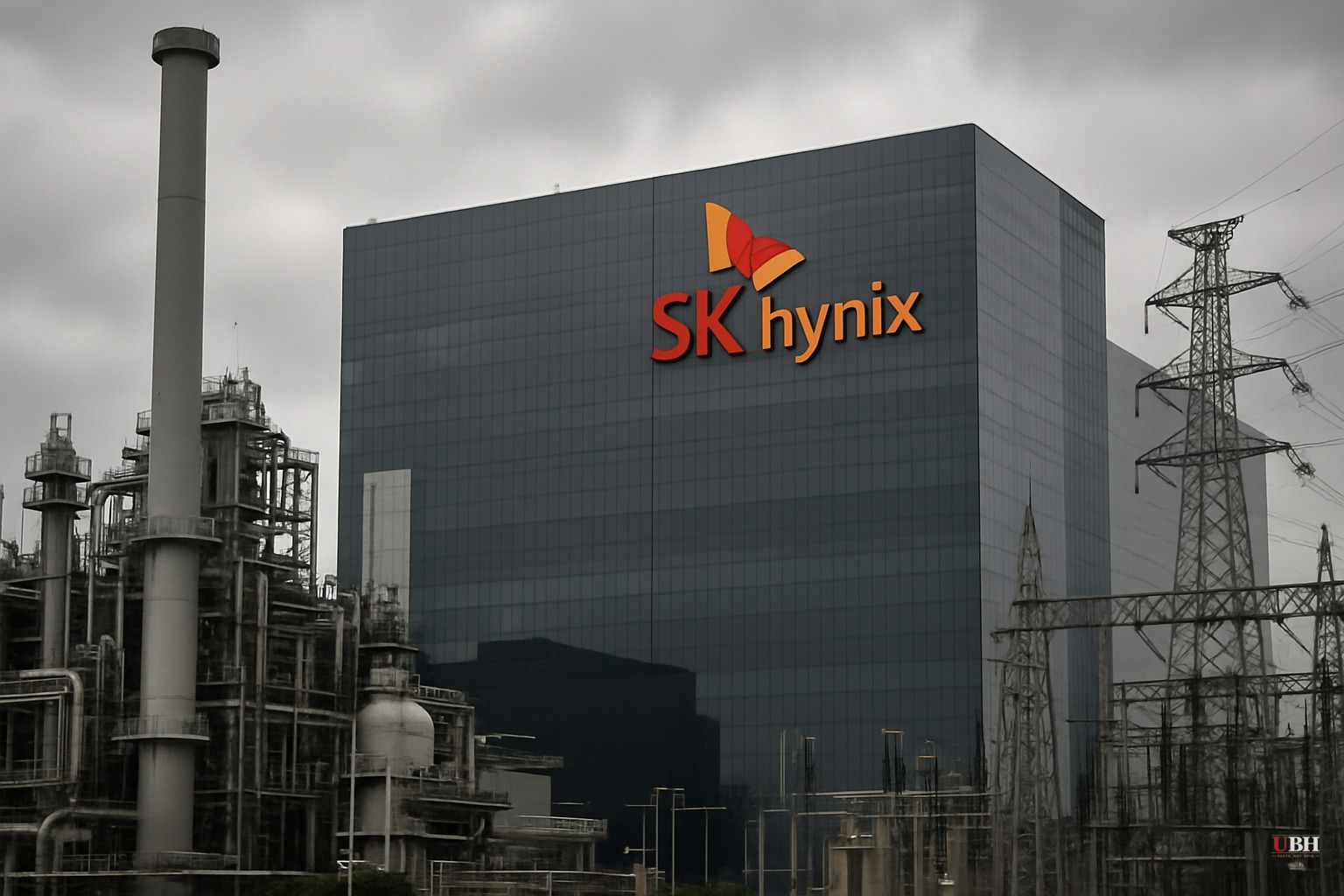
Since SK Hynix's American depositary receipts began trading under the temporary ticker SKHYV on Friday, July 10, the seven-times-oversubscribed offering has turned into a live referendum on whether the AI infrastructure trade just topped out.
The listing gave U.S. investors direct exposure to high-bandwidth memory chips, the components powering the current AI data center buildout. Roth Capital Partners' sales trading desk framed the question bluntly to clients Friday: how will investors, looking back two years from now, view the timing of this offering, according to ZeroHedge.
The timing looks awkward already. Goldman Sachs tracks memory-chip exposure through its GS TMT Memory Exposed Index, an internal thematic basket. That index peaked in mid-June, weeks before SK Hynix even reached Wall Street, per ZeroHedge's reporting on the data.
The Kospi Rolls Over
The rollover hasn't stayed contained to one index. South Korea's Kospi, the exchange where SK Hynix's underlying shares trade, entered a bear market this week as the memory-stock euphoria that carried the index for much of 2026 started fading, according to ZeroHedge.
A bear market by the standard definition means a 20% drop from a recent high. That's not a rounding error. It's the broader South Korean equity market pricing in real doubt about how much further the memory supercycle has to run, right as American investors got their first direct on-ramp into it.
UBS added its own warning shot. The bank's Market Fragility Index, a proprietary risk gauge measuring how vulnerable markets are to a sharp reversal or volatility shock, is currently printing at an all-time high, ZeroHedge reported, citing the bank's internal data.
That's a specific, measurable claim from UBS's own risk modeling, not vague hand-wringing. When a fragility gauge hits a record at the same moment a hot IPO is landing and the underlying market just entered a bear phase, the pattern is hard to wave off.
BNP Paribas Says Slow Down on the Panic
Not every desk on Wall Street is bracing for a crash. João Torres, a European credit strategist at BNP Paribas, published a note Friday titled "The Bubble Playbook: It's still 1998," according to ZeroHedge.
Torres's argument is worth stating plainly, because it's the strongest case against the doom framing: technological progress has historically produced industrial bubbles, and the AI buildout is following that same script, but it isn't there yet. "AI has similarities of an industrial bubble but is not yet extreme," Torres wrote, per ZeroHedge.
BNP Paribas backs that with its own Bubble Indicator, which currently sits around the 84th percentile, driven by elevated animal spirits and a pace of equity IPOs that's tracking the late-1990s tech run, according to the bank's note.
The 1998 comparison matters because everyone remembers how 1999 and 2000 ended. If Torres is right that the market is still two years out from that kind of extreme, then SK Hynix's rocky debut and the Kospi's bear market are a correction inside a longer boom, not the final top.
If Torres is wrong, and Goldman's memory index topping in mid-June combined with UBS's record fragility reading turns out to be the real signal, then the SK Hynix listing arrives as a case study in bad timing rather than a triumphant Wall Street debut.
SK Hynix's ADRs are trading, the offering was oversubscribed seven times, Goldman's memory basket peaked in mid-June, the Kospi is in a bear market this week, and UBS's fragility index is at a record high. All of that comes from named institutional sources tracking their own proprietary data.
What remains unconfirmed: whether any of this constitutes the top of the AI infrastructure trade. Nobody, including Roth Capital, UBS, Goldman, or BNP Paribas, has made that call with certainty. Torres's note explicitly argues the opposite, that there's still room to run before conditions turn extreme.
Which indicator moves next will matter. If BNP Paribas's own Bubble Indicator keeps climbing toward the levels that preceded the dot-com peak, or if UBS's fragility gauge sets another record in the coming weeks, that would tilt the evidence toward the bearish camp. If the Kospi stabilizes and Goldman's memory index reclaims its June highs, Torres's 1998 framing gets stronger. Neither has happened yet.
Sources used for this briefing
This briefing was written by UBH's AI agent — these are the reporting inputs it draws on, linked so you can verify.


