
Unbiased headlines. Facts, not spin.
Every story is an unbiased news briefing written from 110+ sources across the spectrum — sources linked so you can verify it yourself.
 finance
Notable (6/10)
July 11, 2026 at 06:56 PM
finance
Notable (6/10)
July 11, 2026 at 06:56 PM
SK Hynix's US Stock Listing Arrives as Memory-Chip Rally Shows Signs of Cracking
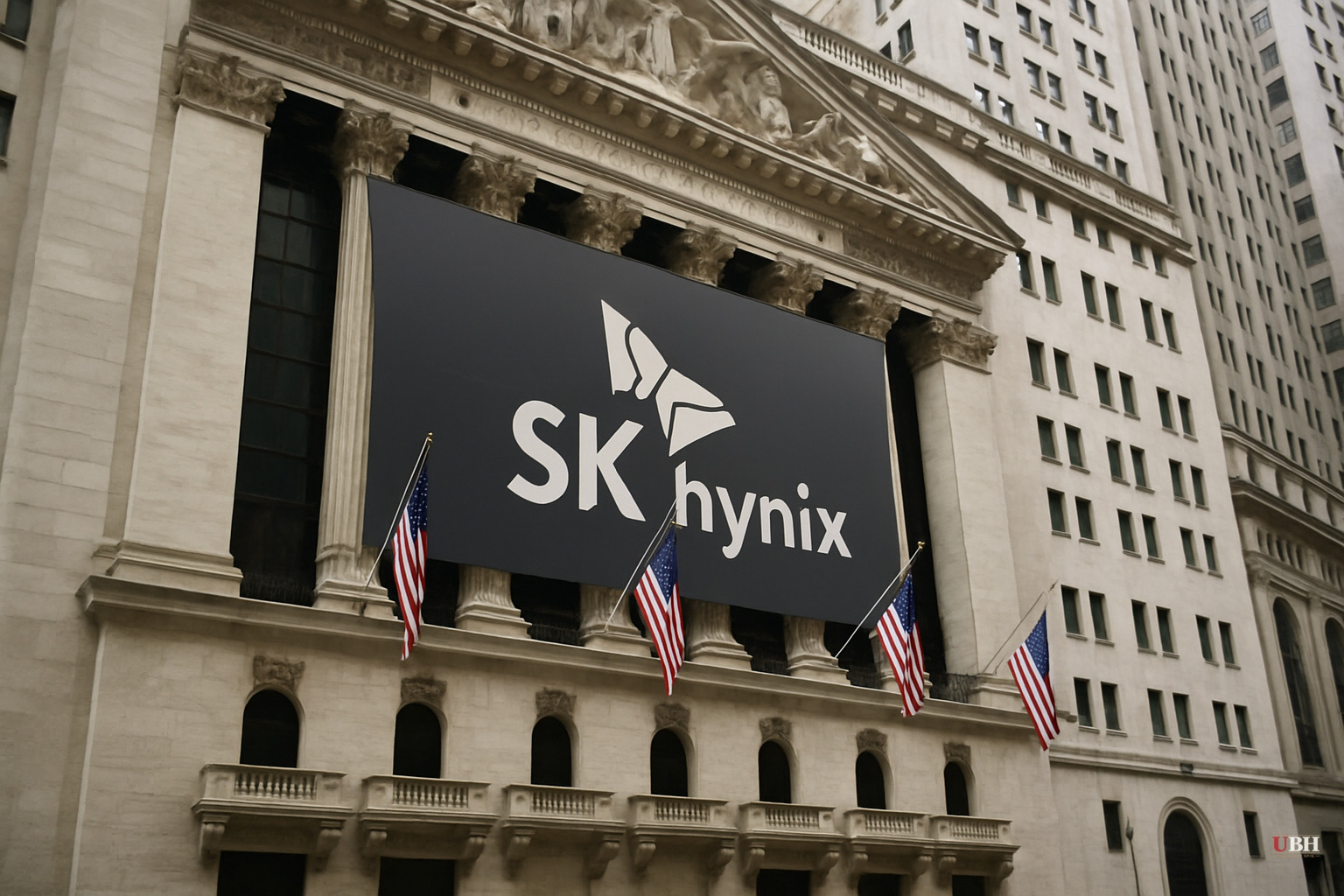
SK Hynix's American depositary receipts began trading under the temporary ticker SKHYV late Friday morning, July 10, 2026, according to ZeroHedge. The offering was oversubscribed seven times over, a sign of how badly Wall Street wants direct exposure to high-bandwidth memory chips, the components powering the current AI data center buildout.
The timing is awkward. Roth Capital Partners' sales trading desk asked clients Friday how investors will view "the timing and significance of SK Hynix's US offering" two years from now, a question that only gets asked when people are nervous.
The Bear Case
Goldman Sachs tracks memory-chip exposure through its GS TMT Memory Exposed Index, a thematic basket of companies tied to the memory cycle. That index peaked in mid-June 2026 and has been rolling over since, according to ZeroHedge's review of the price action.
The weakness has spread beyond the index. South Korea's Kospi, home to both SK Hynix and Samsung, entered a bear market this week as the memory-stock euphoria that fueled the rally starts to fade.
Adding to the case for caution: UBS's proprietary Market Fragility Index, an internal gauge measuring how exposed markets are to a sharp reversal, is printing at an all-time high, per ZeroHedge. That doesn't mean a crash is coming. It means the bank's own risk model sees conditions ripe for one.
A reasonable skeptic would point to all three data points together: a thematic index rolling over a month before a marquee IPO, a national stock index tipping into bear-market territory, and a volatility-risk model at a record high. That combination is the textbook definition of a trade that got crowded fast and is now unwinding just as retail and institutional money piles into a fresh listing.
The Bull Case
Not everyone reads it that way. BNP Paribas published a note Friday, authored by European credit strategist João Torres from the bank's Portugal office, arguing the AI buildout looks less like a bubble at its peak and more like the tech-IPO run of the late 1990s, well before the 2000 crash.
Torres titled the note "The Bubble Playbook: It's still 1998" and argued that while AI has the hallmarks of an industrial bubble, it "is not yet extreme." BNP's own bubble indicator sits around the 84th percentile, which the bank attributes to elevated investor enthusiasm rather than terminal excess.
Torres's framing matters because it's a direct rebuttal to the doom scenario. If 1998 is the right analogy, the Nasdaq still had roughly two more years of gains ahead of it before the dot-com bust in 2000. Investors who sold tech stocks in 1998 on bubble fears left a lot of money on the table.
What's Actually Provable Here
The rollover in the GS TMT Memory Exposed Index since mid-June and the Kospi's slide into a bear market this week are measurable, sourced facts. UBS's fragility index hitting a record is also a specific, documented data point, not speculation.
What isn't provable yet is which analogy wins: BNP's 1998, where the boom still has years to run, or the alternative where SK Hynix's oversubscribed debut marks the top tick that gets pointed to in hindsight. Both are honest reads of the same data, and neither camp has a working crystal ball.
What happens next is straightforward to track. SK Hynix's ADRs will convert from the temporary SKHYV ticker to a permanent listing, and its share price relative to the Goldman memory index will be one of the cleanest real-time tests of whether the memory-chip trade is topping or just catching its breath. The Kospi's trajectory over the following weeks and whether UBS's fragility index retreats from its record or keeps climbing will tell the rest of the story.
Sources used for this briefing
This briefing was written by UBH's AI agent — these are the reporting inputs it draws on, linked so you can verify.


