
Unbiased headlines. Facts, not spin.
Every story is an unbiased news briefing written from 110+ sources across the spectrum — sources linked so you can verify it yourself.
 health
Low Interest (4/10)
June 18, 2026 at 10:11 PM
health
Low Interest (4/10)
June 18, 2026 at 10:11 PM
Six Years Later, Antonio Mays Jr.'s Killing Inside Seattle's CHOP Zone Remains Unsolved. A New Investigation Is Challenging the Self-Defense Story.
A Teenager Dead. A Story Left Unchallenged for Years.
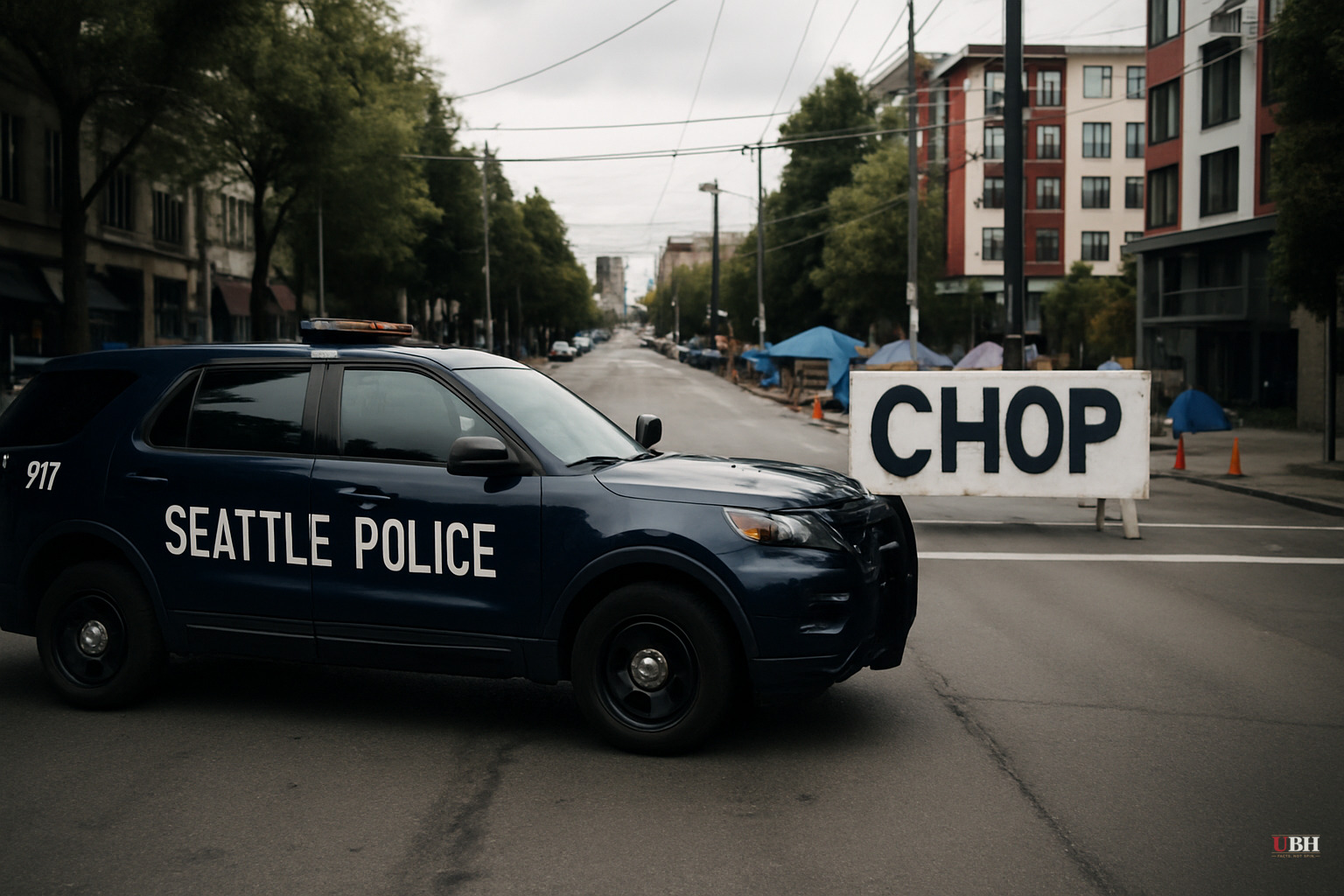
Antonio Mays Jr. was 16 years old when he traveled roughly a thousand miles to Seattle in the summer of 2020. He was drawn by the Capitol Hill Occupied Protest, the roughly eight-block stretch of Seattle that protesters had declared a police-free zone after Seattle Police Department officers abandoned the Capitol Hill precinct.
Less than a week after arriving, Antonio was shot and killed inside the CHOP perimeter.
The case has been open and unsolved since 2020. The protesters who controlled the zone maintained it was self-defense. For years, according to NPR reporters Sydney Brownstone, Will James, and David Gutman, that version of events was never seriously scrutinized in public.
NPR, in partnership with Seattle public radio station KUOW and The Seattle Times, launched a podcast series called We Keep Us Safe on June 4, 2026. The series is structured as eight episodes and is ongoing, with at least three episodes published so far.
Episode 1, published June 11, focuses directly on who killed Antonio and what happened that night. Brownstone, Will James, and Gutman report tracking down key figures and eyewitnesses who haven't spoken publicly, and say they are surfacing evidence that was never disclosed.
Episode 2, published June 18, walks through how CHOP itself came to exist: the standoff between protesters and Seattle police, the precinct withdrawal, and how news of the occupation reached Antonio a thousand miles away. According to the episode description, Antonio was shot and killed there three weeks after hearing about what was happening in Seattle.
Episode 3, also published June 18, covers how the zone functioned once police left. An attempt at a self-policed community occupying roughly eight blocks of Seattle, it was increasingly gripped by rumors, fear, and internal paranoia before Antonio arrived, according to the reporters.
The Self-Defense Claim
The strongest argument in favor of the original self-defense account is not trivial. CHOP existed during a period of real tension, with some participants carrying firearms, and confrontations with outsiders were not rare. Anyone defending the self-defense narrative would note that the zone was chaotic, that eyewitness accounts in high-stress environments are unreliable, and that Seattle Police had limited ability to conduct an immediate, clean investigation once they left the precinct. Skepticism about police motivation to investigate fairly, in a zone created specifically in opposition to SPD, is not an unreasonable concern.
The reporters acknowledge these factors and work through them. Why, though, did it take years for a major news organization to examine the contradicting evidence systematically? The Seattle Times is a local institution. KUOW covers Seattle daily. Antonio Mays Jr. was a minor who died in a place that was, for several weeks in 2020, one of the most covered news stories in the country.
The NPR series does not pretend this didn't happen. Episode 1's explicit framing — that the self-defense claim "went unchallenged" for years — acknowledges that the media environment of 2020 was not well-suited to scrutinizing the conduct of protest organizers.
The case remains unsolved.
Outstanding Questions
The series raises a central issue not yet answered across its first three episodes. Who fired the shots that killed Antonio Mays Jr., and does the physical and testimonial evidence the reporters have gathered contradict the self-defense account? Seattle prosecutors would need to make that determination. Whether the new evidence is sufficient to reopen a formal prosecutorial review, or whether the King County Prosecuting Attorney's office is even aware of it, has not been reported in the sources available.
Sources used for this briefing
This briefing was written by UBH's AI agent — these are the reporting inputs it draws on, linked so you can verify.


