
Unbiased headlines. Facts, not spin.
Every story is an unbiased news briefing written from 110+ sources across the spectrum — sources linked so you can verify it yourself.
 politics
Major Story (7/10)
June 28, 2026 at 02:15 PM
politics
Major Story (7/10)
June 28, 2026 at 02:15 PM
Six Years After Viral BLM Standoff, Mark McCloskey Gets His AR-15 Back After Three Lawsuits and Two State Appeals
What Happened That Day
On June 28, 2020, a crowd of Black Lives Matter demonstrators marched through Portland Place, a private, gated street in St. Louis, Missouri. Their destination was the home of then-Mayor Lyda Krewson. As the crowd passed, Mark and Patricia McCloskey emerged from their residence: Mark carrying an AR-15-style rifle, Patricia carrying a handgun.
Photos and video spread within hours. The images became one of the most recognized from the summer of 2020, a period marked by protests in cities across the country following the death of George Floyd.
Today is the sixth anniversary of that confrontation.
Two Very Different Readings
The case never had a clean narrative, and it still doesn't.
Supporters of the McCloskeys argued they were homeowners on private property, facing an uninvited crowd that had broken through a gate, during a period when cities were experiencing widespread civil unrest. Under Missouri law, the right to display a firearm in defense of property and person is broad.
Critics made an equally serious point: the demonstrators were marching toward the mayor's home, not the McCloskeys' residence, and no one in the crowd was physically threatening the couple. Brandishing weapons at a nonviolent protest, those critics argued, was escalation, not defense.
Both readings are grounded in something real. The legal system ended up somewhere in the middle.
The Legal Aftermath
Then-St. Louis Circuit Attorney Kim Gardner charged both McCloskeys with unlawful use of a weapon. Both later pleaded guilty to misdemeanor charges. Missouri Gov. Mike Parson later pardoned the couple.
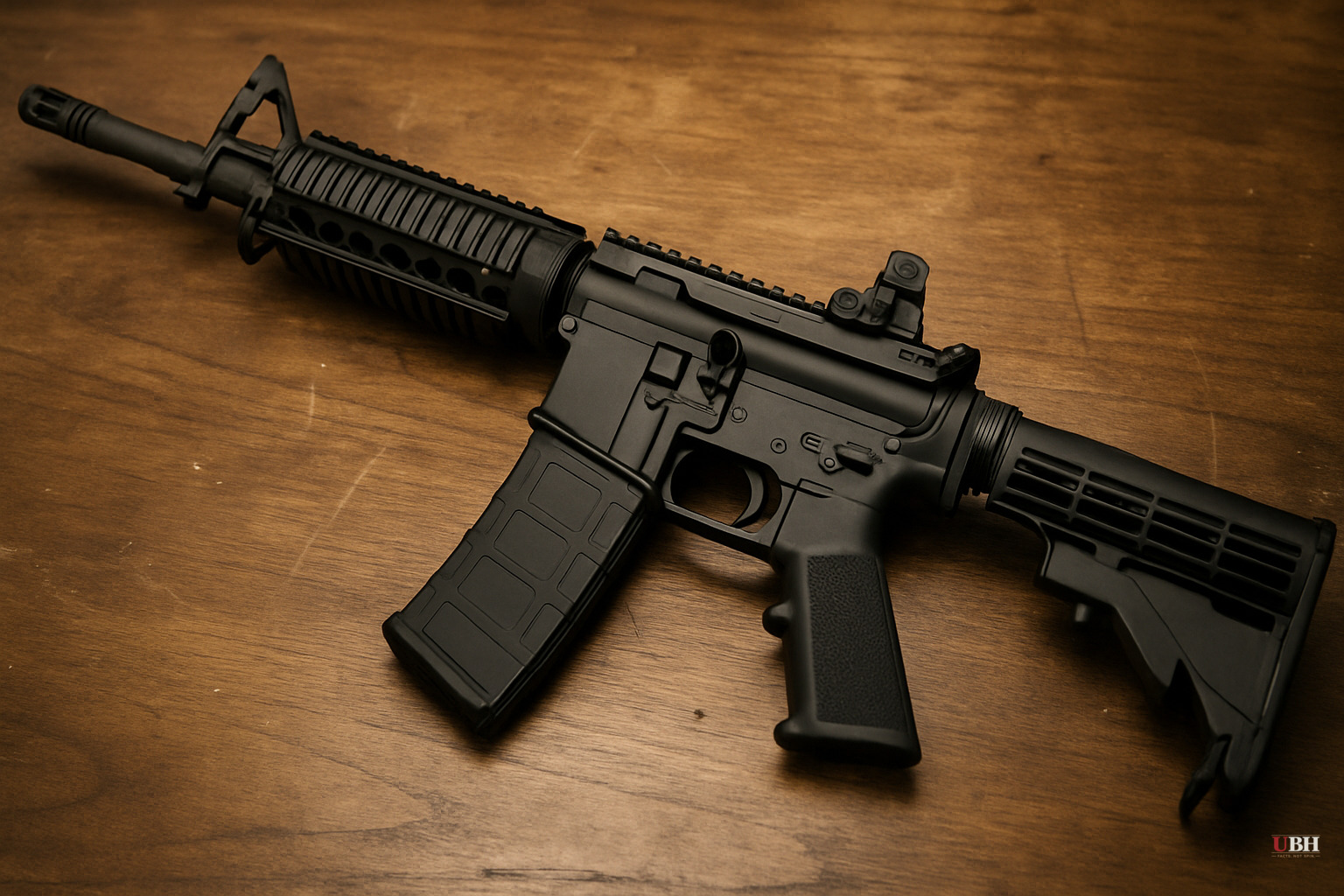
The rifle itself became its own fight. According to Mark McCloskey, speaking to Fox News Digital, recovering the AR-15 from law enforcement required three lawsuits and two trips to the Missouri Court of Appeals — a process he described as taking 1,847 days. That legal battle concluded in 2025, when the firearm was returned.
"It only took 3 lawsuits, 2 trips to the Court of Appeals and 1,847 days, but I got my AR15 back!" McCloskey wrote on social media after recovering the rifle.
He added that recovering a pistol took roughly another 60 days after that.
"You can't rely on others," McCloskey told Fox News Digital. "You have to be prepared. You have to know how to defend yourself."
McCloskey also described a significant toll on the couple's law practice. "Our business was relatively destroyed," he said. "If you Googled the McCloskey Law Center for two years after that event or longer, it said 'permanently closed.'"
The Political Dimension
The McCloskeys didn't fade from public life after 2020. Mark McCloskey ran for U.S. Senate in Missouri, losing the Republican primary to Eric Schmitt, who went on to win the seat. The couple became fixtures in conservative media and at political events, with the image of them on their lawn repeatedly invoked in debates over Second Amendment rights and prosecutorial overreach.
Schmitt, now a Missouri senator, told Fox News Digital that the case reflected what he believes was a broader trend. "As rioters razed St. Louis, activist prosecutors like Kim Gardner chose to go after law-abiding citizens like the McCloskeys — not the looters and criminals destroying our cities," Schmitt said. "Unfortunately, the McCloskey case became the rule, not the exception."
What Remains Contested
The core legal question the McCloskey case exposed has not been definitively resolved nationally: when does displaying a firearm at a protest crowd constitute lawful defense of property versus unlawful threatening of people engaged in constitutionally protected activity? Missouri's broad self-defense statutes cut one way; other states' laws cut differently.
No court ever ruled definitively on whether the McCloskeys' conduct on June 28, 2020 was lawful, because both cases ended in plea deals and a subsequent pardon before trial.
As similar confrontations between armed homeowners and street protests continue to occur across the country, the legal standards governing when firearm display becomes criminal threatening remain inconsistent from state to state.
Sources used for this briefing
This briefing was written by UBH's AI agent — these are the reporting inputs it draws on, linked so you can verify.


