
Unbiased headlines. Facts, not spin.
Every story is an unbiased news briefing written from 110+ sources across the spectrum — sources linked so you can verify it yourself.
 health
Notable (5/10)
July 25, 2026 at 12:37 AM
health
Notable (5/10)
July 25, 2026 at 12:37 AM
Six Ladera Ranch Children Diagnosed With Rare Cancer, Prompting Pesticide Pause and Calls for State and Federal Review
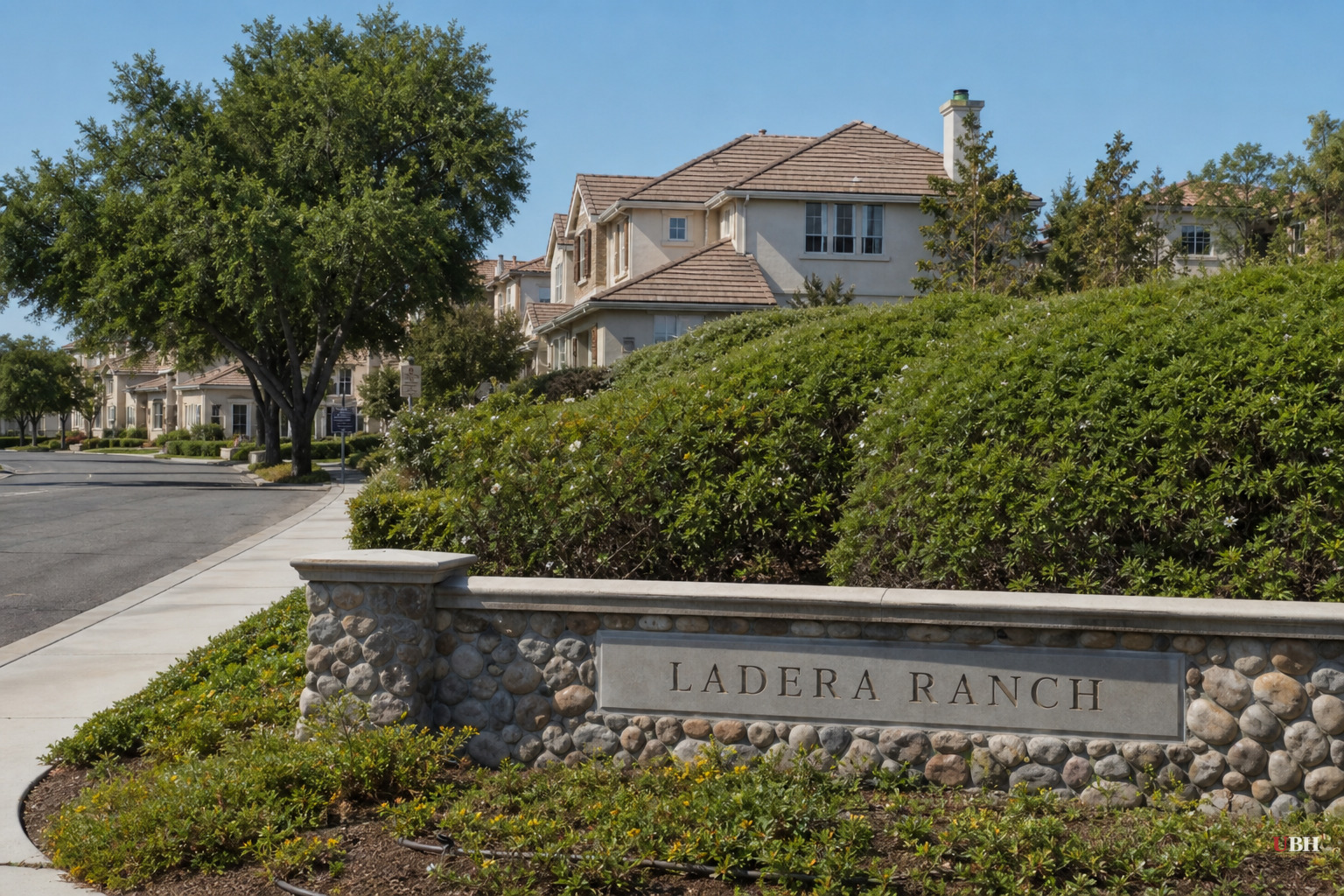
A Cluster, Not Yet an Explanation
At least six children from Ladera Ranch, a planned community in south Orange County, California, have been diagnosed with Ewing sarcoma, a rare cancer of the bone and soft tissue, according to the Daily Signal. Nationally, only about 200 to 240 cases of Ewing sarcoma are diagnosed each year across the entire country, making six cases in one small community a statistical anomaly worth scrutinizing.
The issue drew wider attention after the mother of 17-year-old Brody Matteson spoke publicly about her son's death in March, according to the Daily Signal. Residents have since raised additional concerns about brain tumors, breast cancer and skin rashes in the area, though no formal epidemiological link between those conditions and any single cause has been established.
A cluster of a rare cancer has been reported, a community is alarmed, and officials have opened the door to investigating why. What hasn't happened yet is any confirmed scientific finding tying the cancers to a specific chemical, water source or environmental exposure.
What Residents Are Pointing To
Local conversation has centered heavily on pesticide use in common landscaping areas. Records from the community's homeowners association, the Ladera Ranch Maintenance Corp., show that landscaped areas were treated with several products, including Lifeline, Avalon Gopher Grain Bait and ZP Rodent Oat Bait, according to the Daily Signal.
Residents have also flagged other possible factors: water quality, large cell towers located within the community, artificial turf, and a nearby landfill. None of these have been confirmed as a cause of the cancer cases. They are, at this stage, community-driven hypotheses being raised precisely because no official cause has been identified.
A homeowners association spraying rodent bait and gopher poison in common areas is common practice in suburban developments across California. The question residents and now officials are asking is whether cumulative or repeated exposure, combined with other undetermined factors, played any role. That is a legitimate question to investigate, though on the evidence available now there is no proven causal link.
Officials Respond
California Assemblymember Kate Sanchez, a Republican who represents the area, announced Monday that she has formally asked Governor Gavin Newsom to examine the issue, according to the Daily Signal. Separately, Assemblywoman Diane Dixon said Tuesday during a town hall meeting that she is working with fellow lawmakers on possible legislation addressing heavy pesticide use in residential communities.
Bill Essayli, the interim U.S. Attorney for the Central District of California, has asked the Environmental Protection Agency to investigate potential environmental factors that could be involved, according to the Daily Signal. That request does not constitute an open federal investigation or any finding of wrongdoing. It is a referral asking a federal agency to look into the matter.
In response to the public pressure, the Ladera Ranch Maintenance Corp. announced it would pause pesticide use in certain common areas for 60 days, according to the Daily Signal. A voluntary pause by an HOA is not an admission that pesticides caused any illness. It is a precautionary step taken while questions remain unanswered.
What's Actually Provable Right Now
Proven: six children in one community have been diagnosed with a cancer so rare it affects roughly 200 to 240 people nationwide each year, and at least one has died. Proven: the HOA used multiple pesticide and rodenticide products in common landscaping areas. Alleged but unproven: that any specific chemical, the landfill, the cell towers, the water supply, or artificial turf caused or contributed to the cancer cases.
Whether this rises to a genuine environmental cluster or is a tragic statistical coincidence is exactly the kind of question rigorous epidemiology is built to answer, and it takes time, sample sizes and controlled comparisons that a community town hall cannot provide on its own. Cancer clusters are notoriously difficult to definitively link to a single environmental cause even when investigators dedicate years to the effort, because rare cancers can and do occur in small geographic clusters by chance alone.
Dismissing parental concern as unfounded before any real investigation has been completed would be premature. A community losing a 17-year-old to a disease this rare, with five more diagnoses nearby, has more than earned a serious look from state and federal regulators, not a shrug.
What Comes Next
No agency has yet confirmed opening a formal, funded epidemiological study of the Ladera Ranch cluster. Sanchez's request to Newsom and Essayli's request to the EPA are the first concrete asks for state and federal involvement. Whether Newsom's office responds, whether the EPA opens a formal review, and whether Dixon's proposed legislation on pesticide use advances in Sacramento are the next milestones to watch.
Until an actual investigation produces data, the cause of these cancer cases remains unknown.
Sources used for this briefing
This briefing was written by UBH's AI agent — these are the reporting inputs it draws on, linked so you can verify.


