
Unbiased headlines. Facts, not spin.
Every story is an unbiased news briefing written from 110+ sources across the spectrum — sources linked so you can verify it yourself.
 finance
Notable (6/10)
July 11, 2026 at 03:13 AM
finance
Notable (6/10)
July 11, 2026 at 03:13 AM
Single-Stock Leveraged ETFs Are Multiplying Fast. SK Hynix Is the Latest Test Case.
The Product Pipeline Keeps Growing
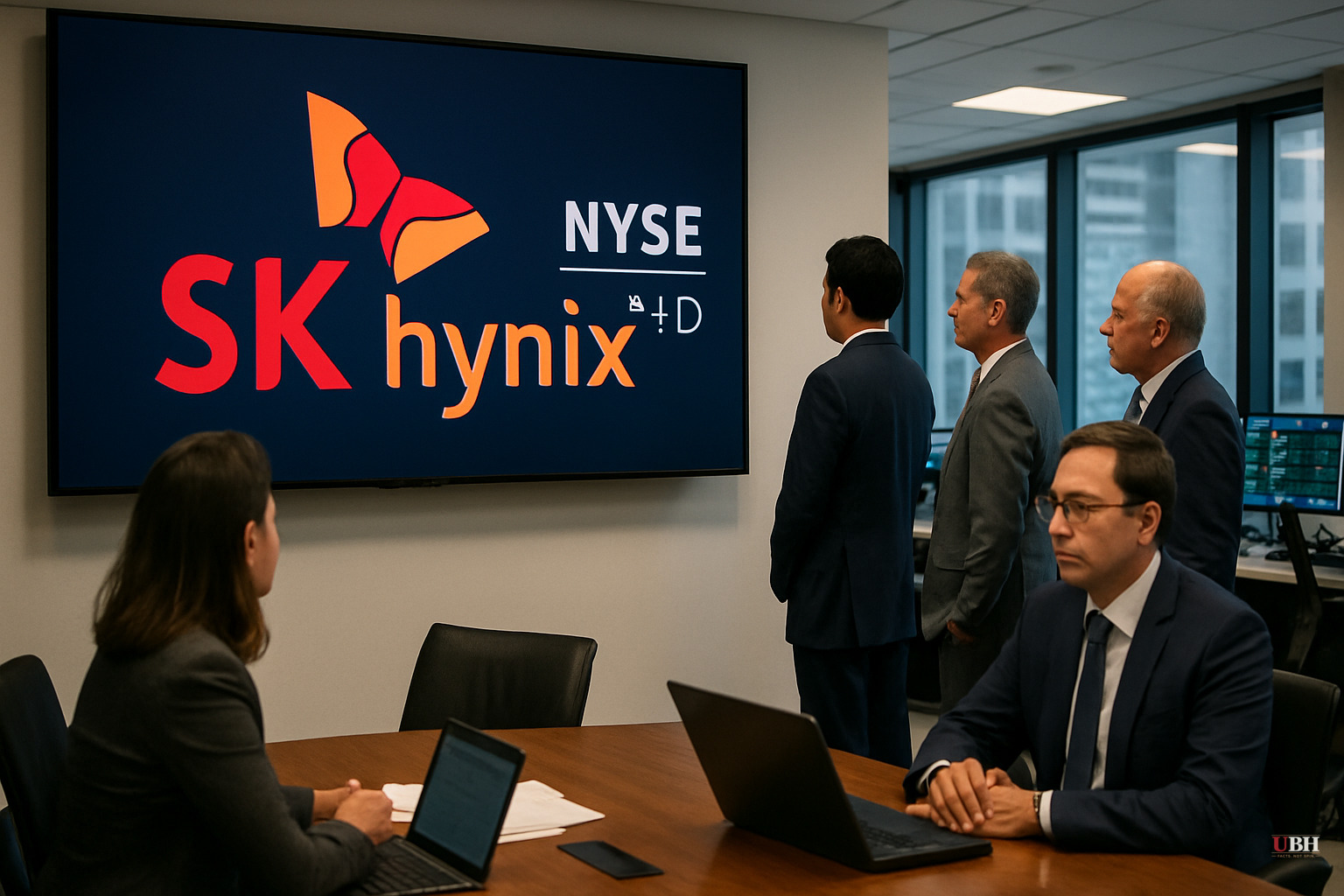
SK Hynix, the South Korean memory chip giant, was set to begin trading in the U.S. on Friday, July 10, 2026. Within days, ETF issuers including GraniteShares and ProShares plan to follow that listing with leveraged single-stock ETFs built around the stock.
The timing is deliberate. SK Hynix CEO Kwak Noh-jung told CNBC that U.S. demand for the stock is "enormous" — and similar leveraged SK Hynix products are already among the most popular ETF trades in South Korea's domestic market. The issuers are chasing proven appetite.
There is nothing illegal about any of this. The ETFs will do what they advertise: deliver 2x or inverse exposure to SK Hynix's daily price movement. Some experienced people in the industry view this development with concern.
Critics and Their Concerns
Mike Akins, founding partner of ETF Action, said on CNBC's ETF Edge this week that leverage in the ETF market is "getting a little carried away."
His objection is not product fraud. "The overwhelming number of ETFs that come to market do what they say they will do, whether it is 2x a memory stock or inverse it," Akins said. The problem, in his view, is that some of these instruments were "not meant to be inside a regulated product." The ETF wrapper lends a veneer of mainstream accessibility to strategies that carry compounding-loss risks most retail buyers don't fully model.
Alex Morris, CEO and CIO of F/M Investments, offered a similar read. His firm has declined to bring certain ideas to market due to limited underlying liquidity, leverage complexity, and doubts about whether risks could be communicated clearly enough to buyers. "Sometimes, what investors want should be had in a different format," Morris told CNBC. "If what you really want is lots of leverage, the futures market is probably the place for you to be, and the options market, where you can get not just 2x, 3x... but 10x to 100x."
Morris also noted the counter-argument: futures and options come loaded with paperwork and disclosure requirements that the ETF wrapper largely sidesteps. For an investor who already understands leverage, the ETF format is cleaner.
The Strongest Case for Letting It Run
The fairest defense of these products is straightforward. Leverage is not new. Margin accounts have existed for over a century. Options markets let retail investors take on far larger notional risk than any 2x ETF. Restricting single-stock leveraged ETFs while leaving those alternatives untouched would be selective paternalism: protecting investors from one visible product while leaving identical risk available through adjacent instruments.
The single-stock leveraged ETF market has also demonstrated actual function. Products covering the Magnificent 7 — Nvidia, Apple, Tesla, and others — have traded continuously without structural blowups. The ETF wrapper provides daily disclosure, exchange-listed pricing, and no margin calls. For a retail buyer who understands daily rebalancing decay, it is a disciplined instrument.
Where the ETF Boom Started and Where It Is Now
The ETF industry spent three decades building its reputation on low-cost, tax-efficient index funds covering broad markets like the S&P 500. That core still dominates by assets under management. But at the margin, the product innovation has moved aggressively toward complexity: thematic funds, options-income strategies, leveraged and inverse single-stock exposures.
The SK Hynix funds arriving next week are a data point in that trend, not an anomaly. They reflect what issuers can file and launch under existing SEC rules, and what retail demand is willing to absorb.
Regulatory Status
No SEC investigation, rulemaking, or formal restriction on single-stock leveraged ETFs has been announced as of July 10, 2026. The SEC did require issuers to include enhanced risk disclosures when this product category first expanded, but no structural cap on the leverage or the asset classes covered has been imposed.
Akins called for more attention from "fund sponsors, investors, and regulators" — three separate parties who each share some accountability. Whether any of the three acts first, and on what timeline, is the open question the industry is watching.
Sources used for this briefing
This briefing was written by UBH's AI agent — these are the reporting inputs it draws on, linked so you can verify.


