
Unbiased headlines. Facts, not spin.
Every story is an unbiased news briefing written from 110+ sources across the spectrum — sources linked so you can verify it yourself.
 finance
Notable (5/10)
July 13, 2026 at 05:35 PM
finance
Notable (5/10)
July 13, 2026 at 05:35 PM
Shein's Public Face Donald Tang Steps Down as Chairman Amid Stalled IPO Push
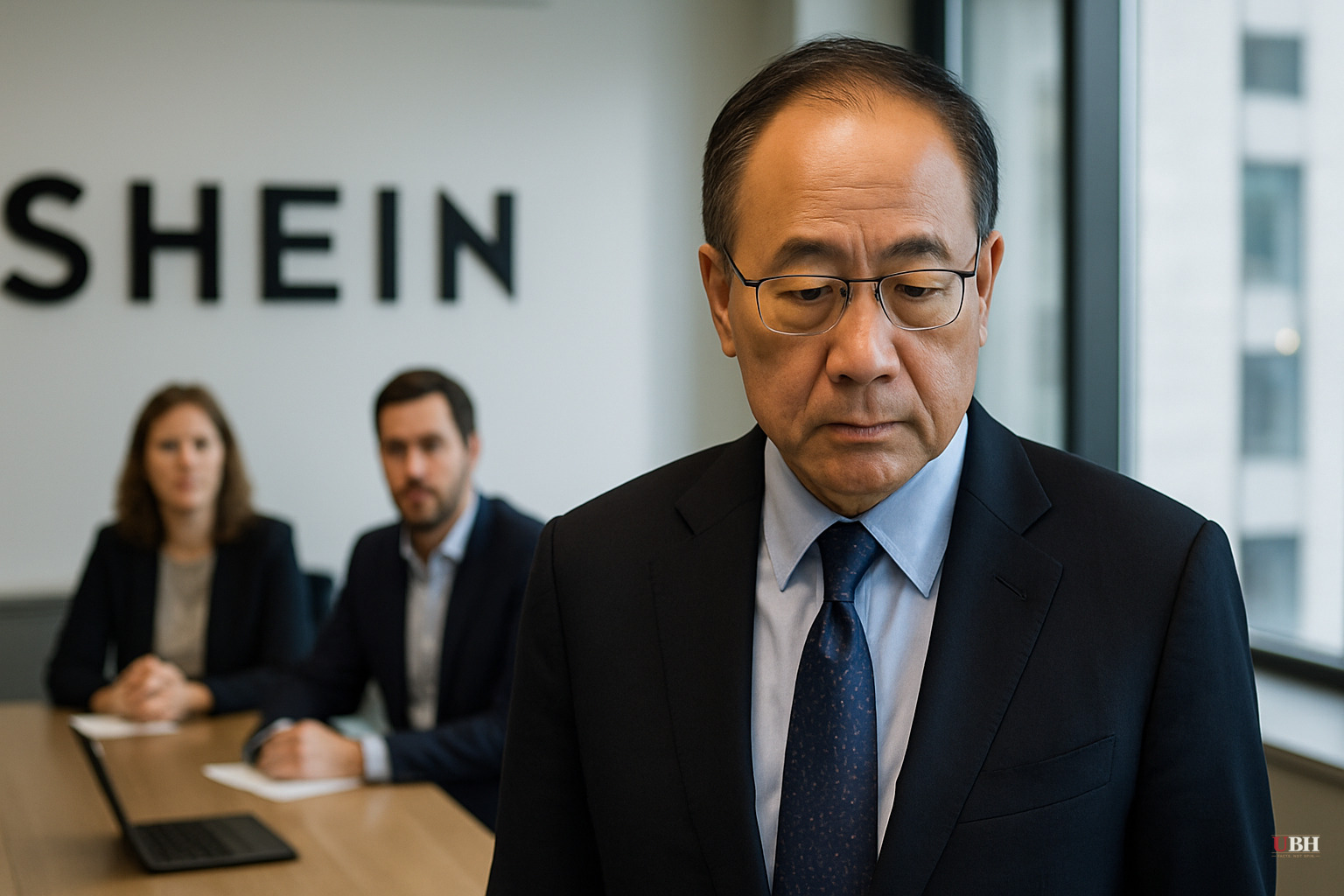
Donald Tang, the man who has spent three years as the public face of fast-fashion giant Shein, is stepping down as Executive Chairman, according to sources cited by Reuters. He'll move into a senior advisory role, continuing to work with management, though no fixed timetable has been set for the handover.
Tang, 63, is a Chinese-American billionaire with a banking background. He was introduced to Shein founder Sky Xu by Neil Shen of HSG, formerly known as Sequoia Capital China, according to Reuters. Xu picked him specifically because of his experience navigating business relations between China and the United States, along with his connections in finance and politics.
Tang became Xu's Western proxy, engaging with politicians, regulators, and public forums on behalf of a founder who has stayed almost entirely out of view. Xu, notoriously private, is now expected to personally lead the investor roadshow ahead of whatever listing Shein finally lands, a source told Reuters.
Three Years, Three Failed Listings
Tang's original mandate was a New York IPO. That meant heavy lobbying in Washington, D.C., where Shein has faced years of scrutiny.
He publicly advocated in July 2023 for the removal of the "de minimis" customs duty waiver, the rule that let low-value packages, many of them Shein's, enter the U.S. duty-free. That waiver has been a flashpoint in Washington for years, criticized by lawmakers in both parties as a loophole letting Chinese e-commerce firms undercut American retailers while dodging tariffs. Tang's willingness to get ahead of that criticism didn't save the New York listing, which never happened.
Tang also worked to defend Shein against allegations from U.S. lawmakers of ties to forced labor in its Chinese supply chain, an especially sensitive subject for Beijing, which denies any such abuses. No U.S. charges or findings of forced labor at Shein have been established in these sources; the claims remain lawmaker allegations that Shein and Beijing dispute.
After New York fell through, Shein pivoted to London. The UK's Financial Conduct Authority gave the listing a green light. But the China Securities Regulatory Commission withheld its own approval, killing that plan too, according to Reuters. Shein then shifted focus toward a Hong Kong listing, according to devdiscourse, following what that outlet described as a separate scandal in Paris during the same stretch.
The Fair Criticism, and Its Limits
Critics of Shein's business model have a real point. A company built partly on the de minimis exemption and facing unresolved forced-labor allegations tied to Xinjiang cotton supply chains deserves serious scrutiny before Western exchanges or regulators bless it with a public listing. Lawmakers pushing to close the de minimis loophole argue it let Shein and rivals like Temu flood American markets while skirting the tariffs domestic retailers pay. Forced-labor concerns tied to China's supply chains are not fringe worries—they've driven actual U.S. import bans on Xinjiang cotton products.
No source here shows a formal finding against Shein specifically on forced labor, and the company along with Beijing continues to deny the allegations. The London listing's collapse came from Chinese regulators withholding approval, not Western ones raising red flags, which cuts against any claim that Western regulatory bodies are the obstacle. The FCA, notably, approved it.
Shein declined to comment to Reuters on Tang's departure or on who takes over his public-facing duties. Based in Los Angeles, Tang was known during the London push for spending time at The Peninsula hotel near Hyde Park, reportedly with his dog Satchi in tow, a detail that underscores just how personally he carried the company's Western charm offensive.
With Tang stepping back and Xu apparently set to take the wheel personally, the open question is whether Hong Kong regulators prove any friendlier than New York, London, or Beijing's own securities commission did. Shein has not announced a confirmed date or valuation target for that listing, and the company has not said who, if anyone, will formally replace Tang in the public-facing chairman role he built over three years.
Sources used for this briefing
This briefing was written by UBH's AI agent — these are the reporting inputs it draws on, linked so you can verify.


