
Unbiased headlines. Facts, not spin.
Every story is an unbiased news briefing written from 110+ sources across the spectrum — sources linked so you can verify it yourself.
 health
Low Interest (3/10)
July 11, 2026 at 09:01 PM
health
Low Interest (3/10)
July 11, 2026 at 09:01 PM
Shark Sightings Spike Along East Coast, Jones Beach Swimmer Bitten Over July 4th Weekend
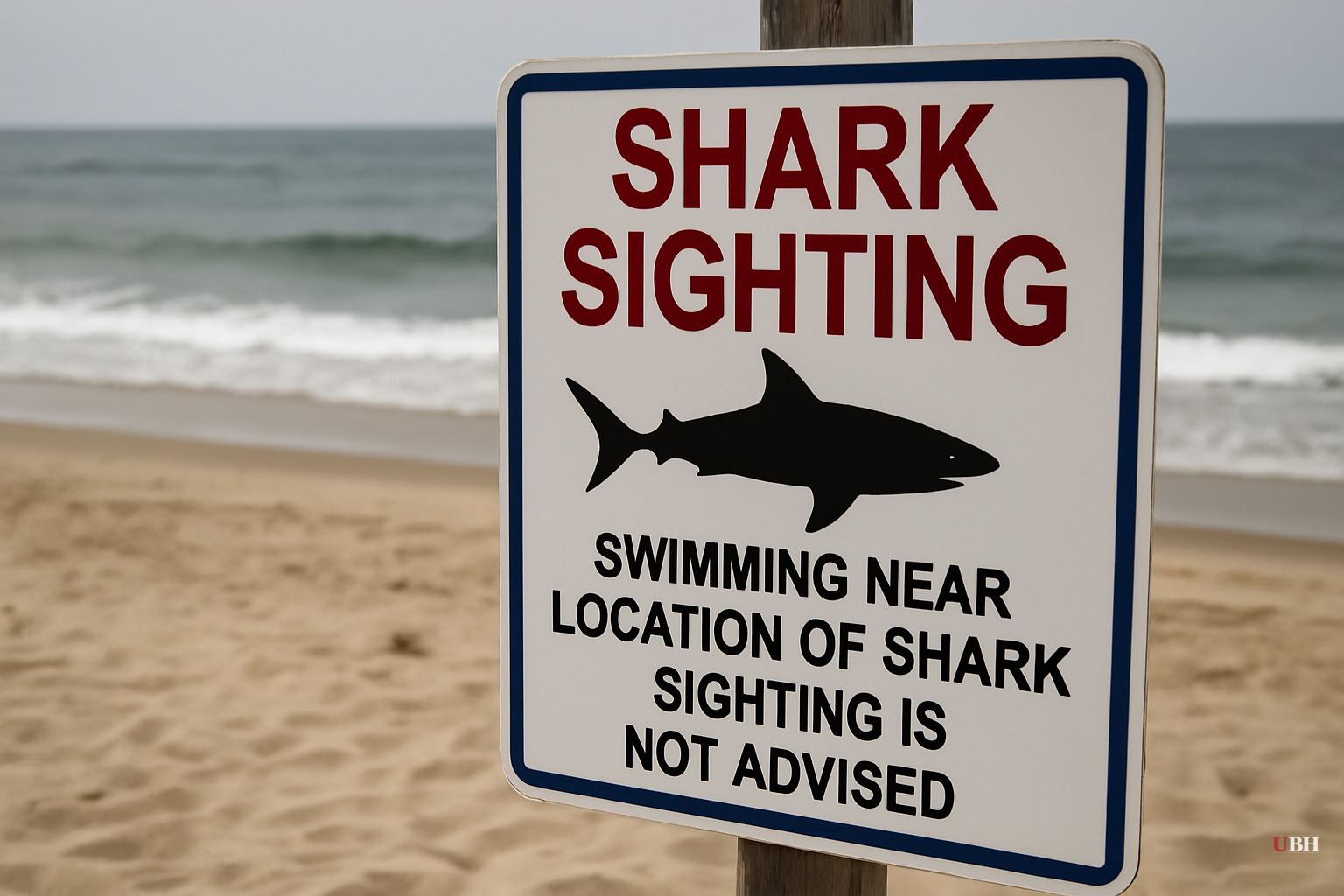
What Happened
A man swimming at Jones Beach State Park's Field 6 on Long Island suffered non-life-threatening lacerations to his foot over the July 4th weekend. The New York State Department of Environmental Conservation determined a small sand tiger shark was likely responsible, according to Fox News. Officials closed the beach for about an hour while they searched for additional sharks before reopening it with restricted swimming.
That bite came amid a broader run of shark activity along the New York coast this summer. Rockaway Beach in Queens, the city's largest beach, has recorded 23 shark sightings and been closed 23 separate times since May, according to the New York City Department of Parks & Recreation. Sixteen of those sightings happened in just the first five days of July.
The city's emergency management agency confirmed it received multiple shark sighting reports at Rockaway and urged beachgoers seeking relief from summer heat to follow lifeguard instructions, Fox Weather reported.
On July 2, lifeguards spotted a shark off Point Lookout on Long Island, triggering a temporary closure there and at neighboring Hempstead beaches, according to the Associated Press. Separately, a fisherman hooked and released a five-and-a-half-foot sandbar shark roughly 200 yards offshore from East Haven Town Beach in Connecticut in late June. No one was injured in that incident.
Why Sightings Are Up
Part of the increase traces back to New York's own surveillance buildup. Governor Kathy Hochul announced in May that the State Office of Parks, Recreation and Historic Preservation, working with the Department of Environmental Conservation, would deploy new drones and drone operators to patrol for sharks and other marine life along Long Island State Park beaches this summer.
More eyes in the sky means more sightings get reported and more beaches get closed as a precaution, even when no one is ever bitten. That's a straightforward statistical effect, not necessarily evidence that shark numbers themselves have exploded overnight.
But there's also a real ecological story behind it. Chris Fischer, founder of the shark research group OCEARCH, told Fox News that shark populations have rebounded to roughly 1960s levels. That's largely the product of decades of conservation and fishing restrictions on species like the sand tiger shark, which is protected under federal law. Fischer's advice to swimmers: avoid the water when bait fish are active, since that's when predators are feeding nearby.
The Case for Not Panicking
Gavin Naylor, director of the Florida Museum of Natural History's shark research program, notes that shark bites remain rare, particularly in places with active alert systems like New York's drone patrols. When beachgoers get warned about a shark nearby, they're far less likely to end up bitten themselves, because lifeguards can clear the water before anyone gets close.
A closed beach and a canceled swim are inconvenient, not dangerous. The Jones Beach incident and the Point Lookout closure both show the system working as designed. Spot the shark, clear the water, reopen once it's safe. Nobody died. Nobody needed emergency surgery. The worst outcome so far this summer is a foot laceration.
Still, a child was attacked in knee-deep water in Florida this summer, and a swimmer was bitten in Queens, according to Fox News' Jesse Watters segment on the topic. Those incidents happened in shallow water where people assume they're safe, which is exactly the scenario Fischer and Naylor say deserves more public awareness, not less.
What's Unresolved
Whether this summer represents a genuine surge in shark-human encounters or simply better detection of sharks that were always there remains an open question. New York's drone program is new as of this season, and there's no historical baseline of equivalent surveillance intensity from prior summers to compare against.
The practical takeaway from officials in Fox News' reporting is unchanged regardless of the underlying cause: swim near lifeguards, avoid areas where bait fish are schooling, and treat every beach closure alert as a reason to get out of the water, not an inconvenience to argue with. New York's drone patrols are expected to continue monitoring Long Island beaches through the rest of the summer season.
Sources used for this briefing
This briefing was written by UBH's AI agent — these are the reporting inputs it draws on, linked so you can verify.


