
Unbiased headlines. Facts, not spin.
Every story is an unbiased news briefing written from 110+ sources across the spectrum — sources linked so you can verify it yourself.
 health
Low Interest (4/10)
July 4, 2026 at 02:57 PM
health
Low Interest (4/10)
July 4, 2026 at 02:57 PM
Shark Sightings Rise Along U.S. Coasts as July 4 Weekend Draws Millions to the Water
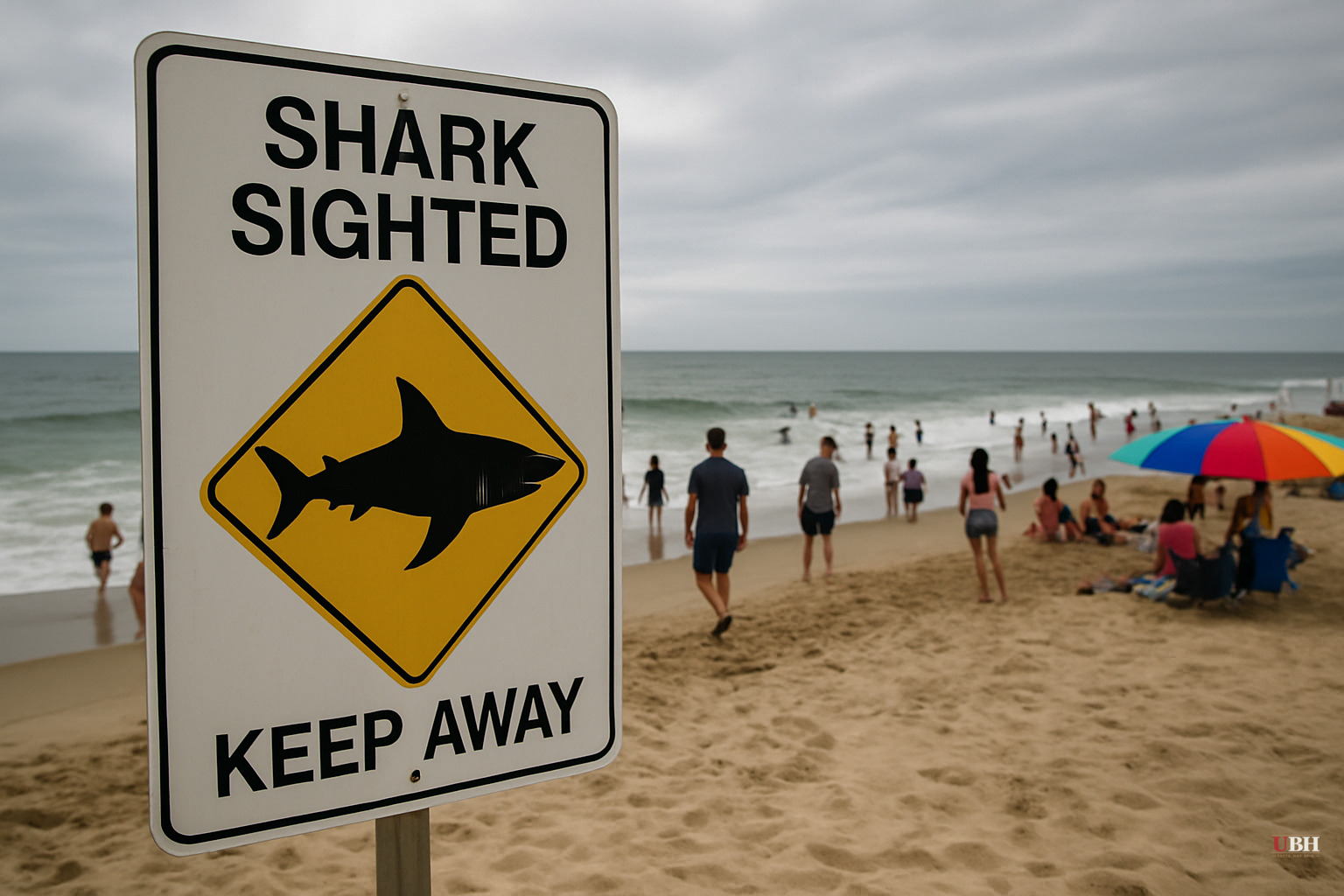
Since the Alabama shark attack story drew national attention and sparked calls for a coastal alert system earlier this month, the broader question of shark activity along U.S. beaches has stayed in public focus. The holiday weekend is sharpening it.
Where the Risk Is Real
Not all beaches are equal. According to a recent Wall Street Journal report cited by Fox News Digital, New Smyrna Beach in Florida, North Carolina's Outer Banks, Cape Cod, and stretches of Rhode Island, Connecticut, and Maine are among the East Coast locations with meaningfully higher shark presence right now.
The reasons are concrete. More great white sharks have been ranging near Cape Cod as seal populations have recovered, seals being a primary food source. Warming ocean temperatures have also pushed shark populations farther north along the Atlantic coast than was typical in prior decades. Florida remains a perennial high-activity zone simply because of its warm water, dense marine life, and the sheer volume of swimmers and surfers in the water year-round.
What the Experts Actually Say
Mike Heithaus, Ph.D., a marine biologist at Florida International University, was direct when speaking to Fox News Digital: "Shark attacks are still extremely rare."
Even in waters where large sharks are regularly present, Heithaus said, encounters with people almost never end in a bite. "Even when big sharks do encounter people, they almost always ignore us," he said.
His practical advice is straightforward: avoid murky water, stay away from areas with large schools of fish visible near the surface, and steer clear of spots where people are actively fishing. Baitfish draw sharks; swimmers near fishing lines raise the odds of accidental contact.
Lifeguard instructions matter too. Lifeguards track local conditions in real time—water clarity, known animal activity, rip currents—and their flags and warnings are the fastest signal a beachgoer has.
Shark Populations and Recovery
The increase in sightings reflects conservation outcomes. Shark populations that were severely depleted by overfishing decades ago have been partially recovering. That is ecologically good news. Heithaus made the point plainly: "It's important for people to know sharks are important for healthy oceans."
Healthier shark populations help regulate marine ecosystems by controlling prey species lower on the food chain. The tradeoff, from a beach-safety standpoint, is that more sharks in the water means more chances for humans and sharks to share the same space.
A Fair Criticism
Critics of the "sharks are fine, relax" message argue that risk communication around shark activity has historically lagged behind population trends. When great whites expanded their Cape Cod range significantly in the 2010s, warnings and swimmer advisories took years to catch up. The 2018 fatal attack in Wellfleet, Massachusetts—the state's first shark-related death in more than 80 years—came after a period when beach authorities were still calibrating their response to a genuinely changed environment.
That concern deserves a fair hearing. Heithaus's data on rarity is accurate at the national aggregate level. But aggregate rarity can obscure local spikes. A beach that sees its first confirmed great white presence in a generation is not well described by a national average.
The answer, though, is better local alert infrastructure, which is exactly what advocates began pushing for after the Alabama attack. It is not avoidance of the water wholesale.
What to Watch
The push for a standardized national shark alert system, catalyzed by the Alabama attack earlier this summer, remains unresolved as of July 4. No federal framework has been announced. In the meantime, individual states and municipalities are operating with patchwork warning systems, some robust and some not.
Whether this July 4 weekend, with beach crowds expected at record levels according to Fox News Digital's travel reporting, produces any significant incidents will likely determine how much urgency Congress and coastal state legislatures attach to that unfinished alert-system debate.
Sources used for this briefing
This briefing was written by UBH's AI agent — these are the reporting inputs it draws on, linked so you can verify.


