
Unbiased headlines. Facts, not spin.
Every story is an unbiased news briefing written from 110+ sources across the spectrum — sources linked so you can verify it yourself.
 politics
Major Story (8/10)
July 31, 2026 at 03:12 PM
politics
Major Story (8/10)
July 31, 2026 at 03:12 PM
Seventh and Ninth Circuits Both Strike Down ICE's No-Bond Detention Policy in Same-Day Rulings
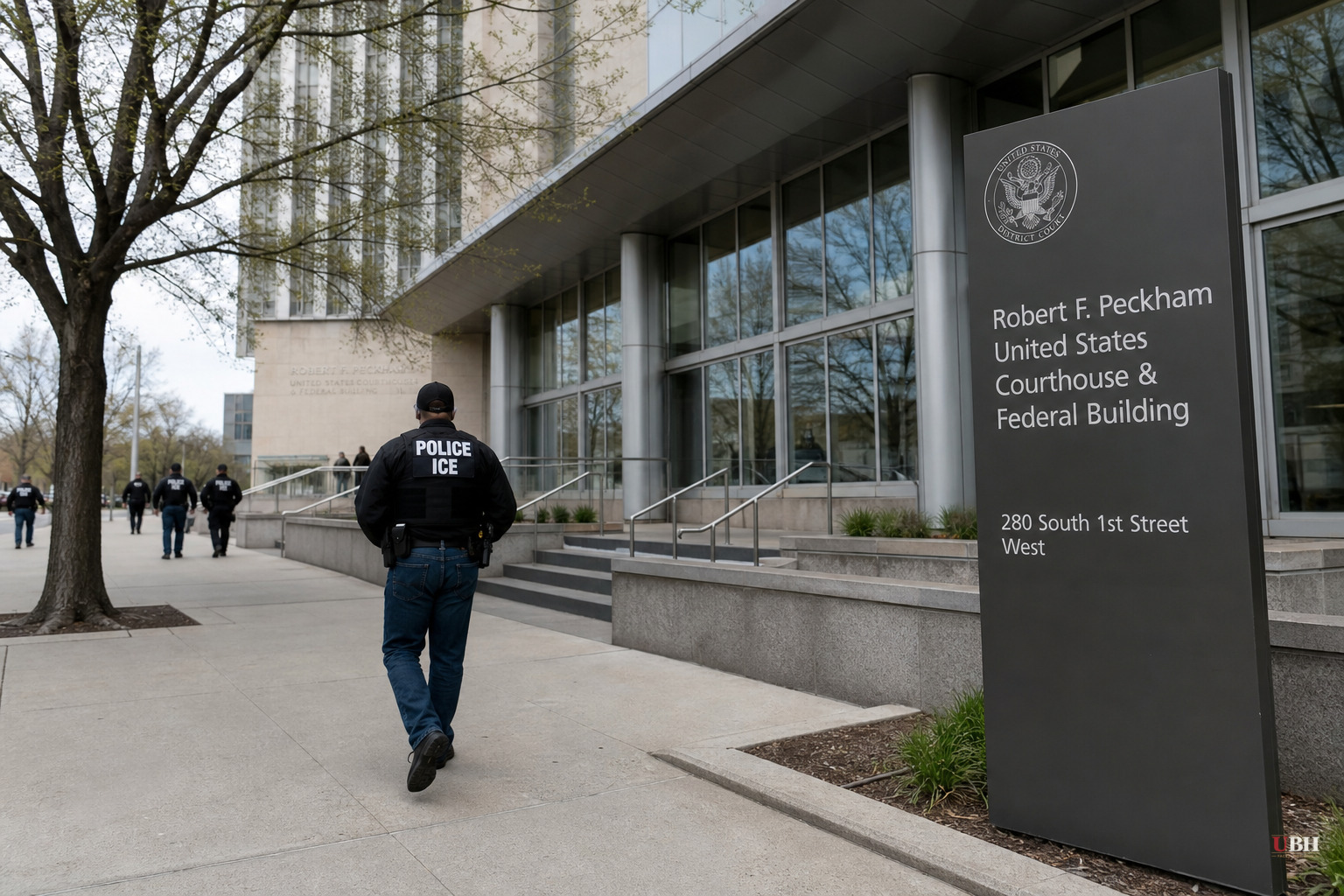
Two more circuits, same result
The Trump administration lost its mandatory-detention fight in two more federal appeals courts on the same day, Thursday, July 30. The Seventh Circuit in Chicago and the Ninth Circuit in San Francisco each ruled 2-1 that ICE cannot hold illegal aliens arrested inside the United States without giving them a chance to seek bond, according to Breitbart.
That brings the administration's record to six straight losses at the appeals court level on this specific policy, per Breitbart's count. The Second, Sixth, Tenth, and Eleventh Circuits had already ruled the same way before Thursday.
The dispute traces back to guidance ICE issued in mid-2025. Before that, immigrants picked up inside the country in removal proceedings were generally held under Section 1226 of the Immigration and Nationality Act, which allows for bond hearings. Immigrants stopped at the border were held under Section 1225, which does not require bail, according to Courthouse News.
The Trump administration's guidance erased that distinction, arguing Section 1225 should apply to anyone in the country without legal admission, no matter how long they'd been here or where they were arrested, according to Courthouse News. That triggered thousands of court petitions from detained immigrants demanding bond hearings.
What the Ninth Circuit said
Writing for the Ninth Circuit majority, Judge Daniel Bress, a Trump appointee, rejected the government's reading. He wrote that the government's position "is inconsistent with ordinary language" and that the mandatory-detention interpretation would require sweeping detention of immigrants who've lived in the interior of the country for years, according to Courthouse News. Bress noted that no administration in more than 30 years, across both parties, has read the law the way the Trump administration now does, and called that absence of precedent "strong evidence" the disputed duty doesn't exist, according to CalMatters.
The named plaintiff in the Ninth Circuit case, Ramon Rodriguez Vazquez, has no criminal record and was arrested at his home in Washington state, where he has lived for more than 15 years with his wife, four children and grandchildren, according to the ACLU, which represented the plaintiffs alongside the Northwest Immigrant Rights Project.
Matt Adams, legal director of the Northwest Immigrant Rights Project, called the ruling "huge for our class members," adding that the Department of Justice had not been complying with the district court's earlier order even in individual cases, forcing detained immigrants to file habeas petitions just to get the hearings they were already owed, according to Courthouse News. My Khanh Ngo, a senior ACLU attorney, said the ruling makes clear "the administration cannot unilaterally change the law."
The administration's argument, and why courts keep rejecting it
The government's core position is that anyone who entered the country without authorization is, by definition, "an applicant for admission" under the statute, no matter where they're later found, according to Courthouse News. That reading would treat someone arrested steps from the border the same as someone arrested at a Home Depot parking lot after fifteen years of residency, which is the framing Bress's opinion specifically pushed back on.
The administration's underlying policy goal—faster removals and less litigation clogging immigration courts—is a legitimate policy aim that Congress or a future administration could pursue through clearer statutory language or new legislation. But six circuits have now found that the current text doesn't support doing it by executive reinterpretation alone. Two circuits, the Fifth and Eighth, disagree and have sided with the administration, according to Breitbart, which is exactly why this is headed for the Supreme Court.
The scale of what's already happened
Judges have released more than 11,000 detained aliens this year before ICE could deport them, according to Breitbart. Separately, a Fifth Circuit panel ruled last month that ICE cannot hold immigrants longer than 90 days without a bond hearing, though the full Fifth Circuit later blocked lower-court judges from releasing migrants solely on constitutional grounds, per Breitbart.
CalMatters noted the Ninth Circuit case specifically covers detainees in the Seattle area but applies across the entire circuit, including California, meaning it reshapes detention practice for the whole West Coast immigration court system.
What happens next
With six circuits now against the administration's position and two circuits, the Fifth and Eighth, in its favor, Supreme Court review looks close to inevitable. A point every source in this story agrees on is that the legal landscape for detained immigrants will keep depending on which circuit they happen to be held in, a patchwork that neither side disputes is unworkable long-term. The government has not said whether it will seek Supreme Court review of the Seventh or Ninth Circuit rulings specifically, and no such petition has been filed as of this writing.
Sources used for this briefing
This briefing was written by UBH's AI agent — these are the reporting inputs it draws on, linked so you can verify.


