
Unbiased headlines. Facts, not spin.
Every story is an unbiased news briefing written from 110+ sources across the spectrum — sources linked so you can verify it yourself.
 health
Low Interest (3/10)
July 24, 2026 at 01:42 AM
health
Low Interest (3/10)
July 24, 2026 at 01:42 AM
Seoul Chef Faces Jail for Serving Ants Not Approved Under South Korean Food Law
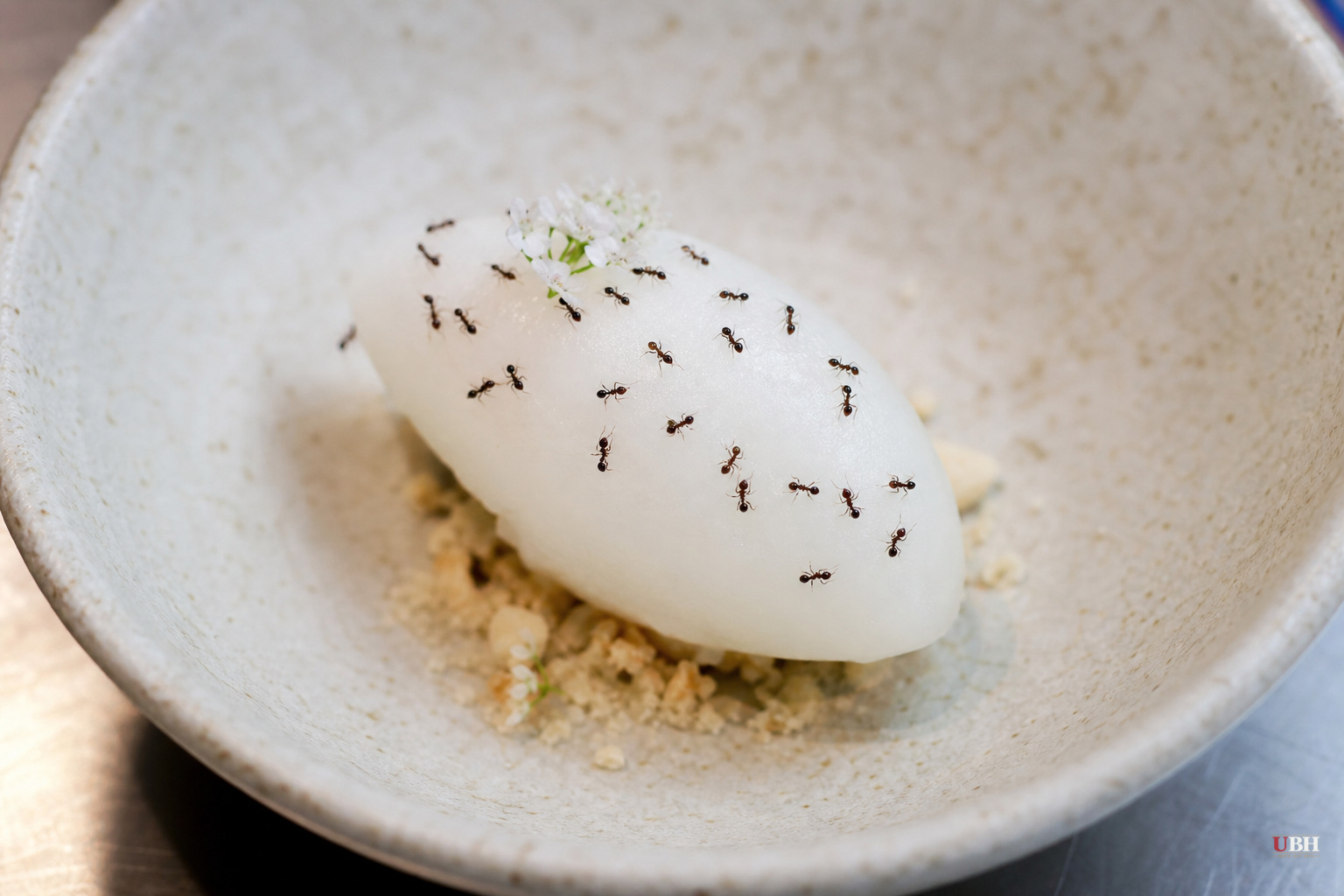
A Michelin-starred restaurant owner in Seoul is heading toward a September court verdict that could mean up to a year behind bars and a fine of about $13,510, over ants served as a dessert garnish.
South Korea's Food Sanitation Act approves 10 insect species for human consumption, including grasshoppers, mealworms, silkworm pupae, locusts and two-spotted crickets, according to the BBC. Ants are not on that list.
The country's Ministry of Food and Drug Safety says it discovered the violation after customers posted about the ant garnish on social media and in online reviews. The restaurant owner, who has not been named in court documents, has acknowledged serving the ants.
Prosecutors allege the restaurant imported dried ants and used roughly 49,000 of them in dishes going back to 2021. They also allege the ants contained heavy metal levels up to 55 times the maximum allowed for other legally edible insects, according to reports cited by Fox News.
Defense attorneys are pushing back hard on both the volume and the framing. According to The Chosun Daily, the defense disputes the 49,000-ant figure entirely. The defense also argues the ants were never the main event, they were one of several optional garnishes for the sorbet, alongside fermented vinegar and edible flowers, and that only 60% of diners chose the ant option.
That distinction matters. If the restaurant is telling the truth, this isn't a case of hidden ingredients slipped past unsuspecting customers. It's a menu item diners actively chose, disclosed as an option, at a Michelin-starred establishment where customers presumably expect unconventional ingredients.
The heavy metal allegation is the more serious piece of this. An unapproved species being served is a straightforward regulatory violation. Ants tainted with elevated heavy metals is a food safety claim with real health stakes. It's not clear from available reporting whether independent testing has confirmed the prosecution's 55-times figure or whether that number is contested alongside the ant count. The defense's rebuttal, as reported by The Chosun Daily, focuses on the volume of ants used and the garnish framing, not specifically on the heavy metal testing methodology.
South Korea's approved-insect list exists for a reason: officials vet species for safety and nutrition before clearing them for sale, according to reporting on the case. Ants simply never went through that process. That's a regulatory gap. But it's the kind of gap that makes prosecution straightforward regardless of how the heavy metal dispute shakes out.
This case coincides with a broader global shift toward alternative proteins. The edible insect market is projected to grow from $1.73 billion in 2025 to $13.23 billion by 2034, according to Fortune Business Insights, driven by interest in sustainable nutrition and diversified protein sources. Beetles held roughly a third of the market in 2025, per Persistence Market Research, with mealworms, crickets and grasshoppers also gaining ground.
A University of Beira Interior study in Portugal found people were more curious and receptive to insect-based foods than researchers expected, suggesting consumer resistance to eating bugs may be softening faster than assumed.
None of that changes the legal exposure here. South Korea's approval list is the law, and ants aren't on it, regardless of how popular or safe insect protein becomes elsewhere. The restaurant owner's fate now rests on how a Seoul court weighs the disputed quantity, the heavy metal claims, and the fact that diners opted into the dish rather than being served it unknowingly.
A verdict is expected in September. Until then, both the exact number of ants served and the accuracy of the heavy-metal testing remain contested, unresolved questions at the center of the case.
Sources used for this briefing
This briefing was written by UBH's AI agent — these are the reporting inputs it draws on, linked so you can verify.


