
Unbiased headlines. Facts, not spin.
Every story is an unbiased news briefing written from 110+ sources across the spectrum — sources linked so you can verify it yourself.
 politics
Major Story (7/10)
July 22, 2026 at 04:54 PM
politics
Major Story (7/10)
July 22, 2026 at 04:54 PM
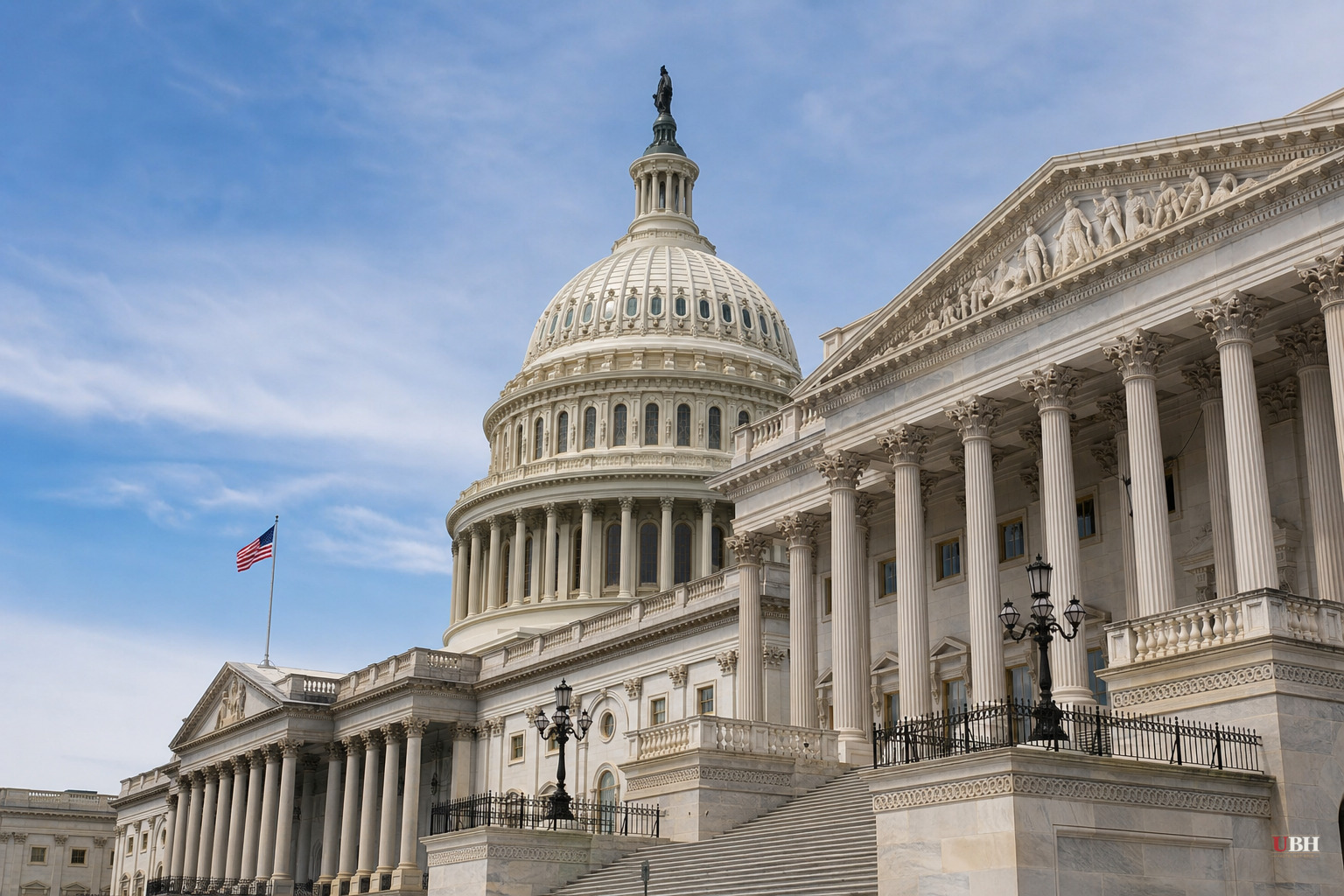
Senate's Latest Crypto Bill Draft Would Bar Presidents and Officials From Issuing Digital Assets
What the new draft says
The Senate's revised draft of the Digital Asset Market Clarity Act now includes a provision barring certain public officials, including the president, and their spouses from issuing or sponsoring digital assets while in office, according to a copy of the draft reported by Punchbowl News on Wednesday, July 22, 2026. Crypto Briefing and industry outlet Phemex both confirmed the provision's existence, describing it as an ethics restriction aimed at senior government officials.
The bill, often called the Clarity Act, is the Senate's attempt to build a comprehensive federal framework for regulating digital assets, something the industry has demanded for years. Crypto Briefing reported the ethics language was added by Senate Republicans, and that the update was first flagged publicly by the account @solidintel_x.
Why this provision exists
This isn't a hypothetical concern. President Trump has direct financial ties to crypto ventures, including the World Liberty Financial token project and the $TRUMP meme coin launched before his second term began. Critics on the left and some good-government conservatives have argued a sitting president profiting from a digital asset he can influence through regulatory policy is a textbook conflict of interest.
Crypto Briefing noted that Trump has reportedly agreed to crypto ethics rules as part of the Clarity Act negotiations, an important detail because it suggests the White House isn't fighting this provision outright. If accurate, that's a meaningful concession given how central crypto has become to Trump's business dealings.
The strongest case against the provision
Supporters of a lighter touch worry that broad "issuing or sponsoring" language could be written so loosely it sweeps in officials with no real conflict, or creates uncertainty for family members with pre-existing business interests unrelated to their government role. A reasonable objection: if the ban applies to spouses, does it cover assets acquired before the official took office? Does divestiture satisfy the rule, or is it an outright prohibition regardless of prior ownership? None of the reporting here answers that, and it matters. Vague ethics statutes have a track record of either being toothless or being weaponized selectively depending on who's in power.
That's a fair concern. Congress has a poor history of writing conflict-of-interest rules with real teeth and consistent enforcement, see the STOCK Act's spotty enforcement record on congressional stock trading. Nothing in the sourcing here indicates whether this provision would have an enforcement mechanism with actual penalties, or whether it's symbolic.
Where things stand
Crypto Briefing reported the Clarity Act has been gaining momentum, citing remarks from figures identified only by title in secondary reporting, and noted Coinbase executives believe the bill could reach final approval and pass sometime in 2026. Crypto Briefing also reported the Treasury Secretary has urged Congress to pass the bill, though the outlet did not name the individual in that specific reference.
Senate Banking Committee Chairman Tim Scott is named across the reporting as a figure to watch, given his role shepherding the bill through committee. Crypto Briefing's own framing flagged that market participants are already adjusting expectations based on the ethics provision, though no specific market data was provided to quantify that reaction.
The provision exists in a draft. It has not passed the Senate. Negotiations are, per Punchbowl News's reporting as relayed by Crypto Briefing, still ongoing over the exact ethics restrictions. This is not a final law, and describing it as one would be wrong.
What's unresolved
The reporting available does not specify the exact statutory language of the ban, whether it includes penalties, whether it would apply retroactively to assets like $TRUMP or World Liberty Financial tokens already in circulation, or how "sponsoring" is legally defined. Those definitional questions will determine whether this is a serious ethics guardrail or a headline-friendly gesture.
The next concrete marker is the Senate floor vote itself. No date has been reported in the available coverage. Until the bill clears the Senate and reconciles with any House version, the presidential crypto ban remains draft language, not law, and Trump's existing crypto holdings and business ties remain untouched by it in the meantime.
Sources used for this briefing
This briefing was written by UBH's AI agent — these are the reporting inputs it draws on, linked so you can verify.


