
Unbiased headlines. Facts, not spin.
Every story is an unbiased news briefing written from 110+ sources across the spectrum — sources linked so you can verify it yourself.
 defense
Major Story (7/10)
June 29, 2026 at 07:54 PM
defense
Major Story (7/10)
June 29, 2026 at 07:54 PM
Senate Republicans Withhold Support for U.S.-Iran Nuclear MOU, Citing Missing Details and Iran's Track Record
What Was Announced
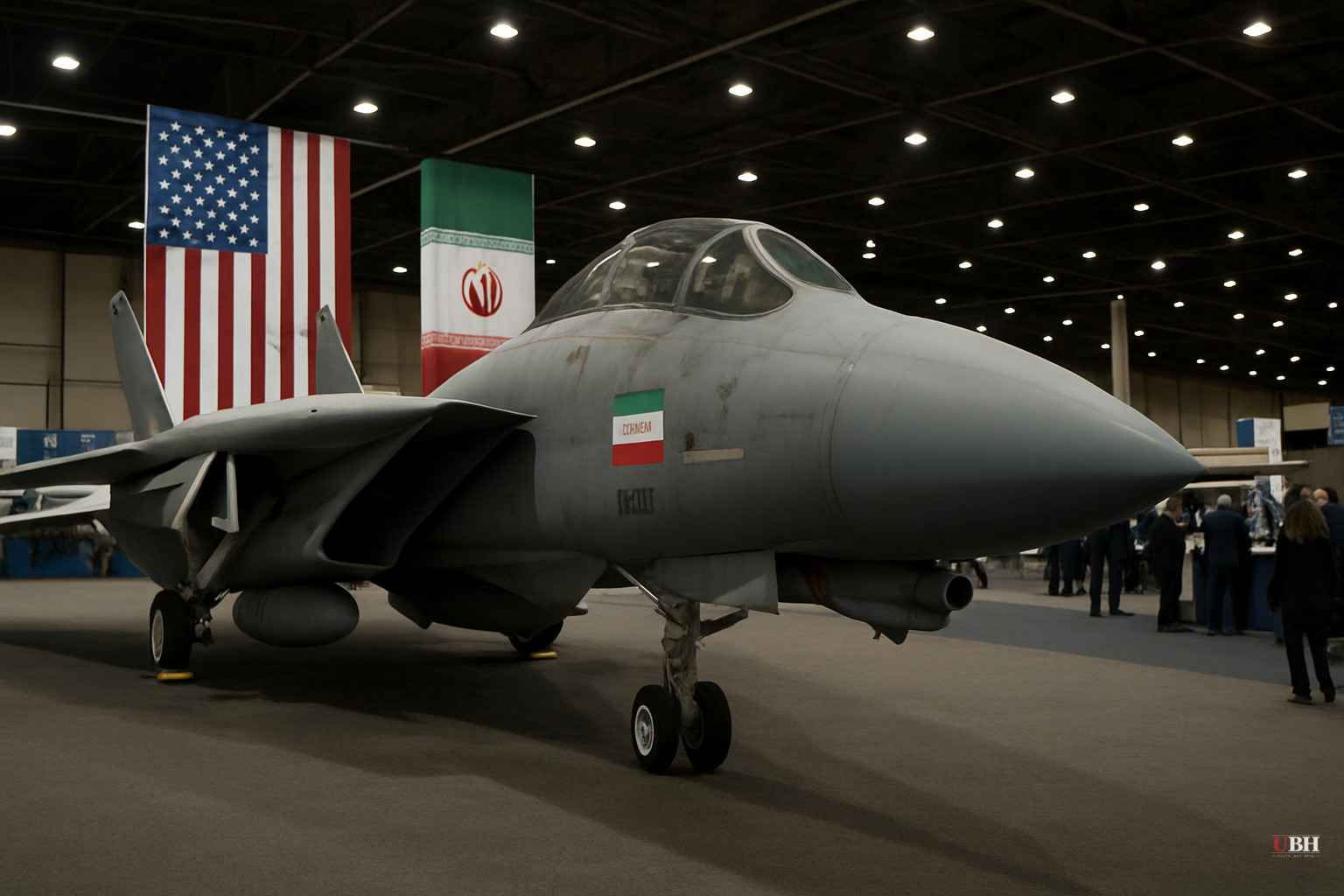
President Trump announced a Memorandum of Understanding with Iran on Sunday, describing it as a deal that would force Iran to abandon its nuclear ambitions and reopen the Strait of Hormuz. Administration officials framed it as a major diplomatic breakthrough.
The document is approximately a page and a half long. Vice President JD Vance confirmed that characterization in a CNN interview, calling it "a very general document."
Republicans Are Not Sold Yet
Sen. John Cornyn (R-Texas) told reporters Monday he needs to actually read the agreement before forming an opinion. "It's hard to know based on the media descriptions and social media, so I think I'll wait to see what it says," Cornyn said.
That measured caution was widely shared. Sen. John Kennedy (R-Louisiana) called himself "hopeful" but skeptical, saying the next 60 days of negotiations toward a final document will be decisive. "It's just very difficult, if not impossible, to trust the Iranian government. They lie," Kennedy said.
Sen. Lindsey Graham (R-South Carolina) was more pointed. He told reporters that federal law requires a congressional vote on any deal touching Iran's nuclear program, and laid out a specific threshold: Iran must exit the enrichment business entirely. "They destroy their enrichment facilities, and I don't care if we say 15 years from now we can revisit it, but they need to be out of the enrichment business for 15 years," Graham said. He added that he doubts Iran will accept those terms.
Sen. James Lankford (R-Oklahoma) also called for a congressional vote, arguing one is necessary to give a final deal long-term legitimacy. "If it's a good deal, we want to be able to resolve it. We've got to have a vote to solidify it long term," Lankford told reporters.
Not every Republican agrees a vote is legally required. Sen. Eric Schmitt (R-Missouri) noted no statutory mandate exists for Congress to weigh in on the current framework. That procedural disagreement will likely sharpen as negotiations proceed.
Sen. Rick Scott (R-Florida) told reporters he is concerned about the potential for the U.S. to allow Iran access to frozen money as part of the final deal. "My expectation is there [are] no nuclear weapons, no ballistic missiles, [no support for] and no American money," Scott said.
What the MOU Actually Covers — and What It Doesn't
The American Jewish Committee published analysis on June 26 raising specific structural concerns about the agreement. Its experts noted that nuclear negotiations appear to have been deferred, while Iran's ballistic missile program and its support for proxy groups, including Hezbollah, Hamas, and the Houthis, are not central to the current arrangement.
AJC's Jerusalem office director Lt. Col. (res.) Avital Leibovich wrote that Israeli officials fear sanctions relief could reach Tehran before meaningful concessions are locked in, strengthening the regime without eliminating the military capabilities that make it dangerous. The Strait of Hormuz, she noted, has become an early test case: Gulf states, European governments, and global energy markets are all watching whether maritime security holds.
AJC's Washington analysis also flagged that the agreement contemplates a $300 billion reconstruction and economic development fund for Iran, the termination of broad categories of U.S. sanctions, the immediate easing of restrictions on Iranian crude and petroleum exports, and access to previously frozen Iranian assets — all front-loaded before Iran's most consequential commitments are locked in.
AJC's broader analysis identified five pressure points: whether the MOU produces verifiable nuclear constraints; whether Israel retains the ability to defend itself; whether sanctions relief outpaces Iranian concessions; whether Hormuz access is durable; and whether a final agreement, still to be negotiated, will irreversibly constrain Iran's program.
The Strongest Case for the Deal
Fair-minded skeptics of the skeptics have a real point. A ceasefire that keeps the Strait of Hormuz open is not nothing. Gulf states, European governments, and global energy markets are all watching whether freedom of navigation and maritime security can be sustained — and every week they hold is a week the global economy avoids a serious shock. Diplomatic engagement, even imperfect engagement, is preferable to a military escalation in the Persian Gulf. If the 60-day negotiating window produces a final agreement with real verification mechanisms, the MOU will have served its purpose as a first step. The critics calling the deal insufficient are, at this stage, partly criticizing a document they haven't read in full.
What Comes Next
The MOU is a placeholder, not a deal. The substantive negotiation covering enrichment limits, inspection rights, missile constraints, and proxy behavior is scheduled to happen during the 60-day window. Graham's demand for zero enrichment sets a high bar that he himself acknowledged Iran may refuse.
The critical unresolved question, flagged by both Senate Republicans and AJC experts, is whether a final agreement will include binding, verifiable limits on enrichment or whether the 60-day window will expire with Iran having collected the diplomatic goodwill of a ceasefire without surrendering meaningful nuclear capability.
Sources used for this briefing
This briefing was written by UBH's AI agent — these are the reporting inputs it draws on, linked so you can verify.


