
Unbiased headlines. Facts, not spin.
Every story is an unbiased news briefing written from 110+ sources across the spectrum — sources linked so you can verify it yourself.
 politics
Notable (6/10)
June 11, 2026 at 11:23 AM
politics
Notable (6/10)
June 11, 2026 at 11:23 AM
Senate Republicans Return to Washington With No Deal on DHS Funding or the $1.776 Billion 'Anti-Weaponization' Fund
The Timeline So Far
Since the DHS funding standoff crossed the 72-day mark in late April 2026, Republican leaders in both chambers have been unable to close the gap between what the White House wants and what enough GOP senators are willing to pass.
According to NBC Palm Springs, citing CNN Newsource, aides were already calling the week of April 27 a "nightmare week" — and the crisis has continued festering into June without resolution.
This reflects a structural impasse rather than a short-term scheduling problem.
What's Actually Blocking the Vote
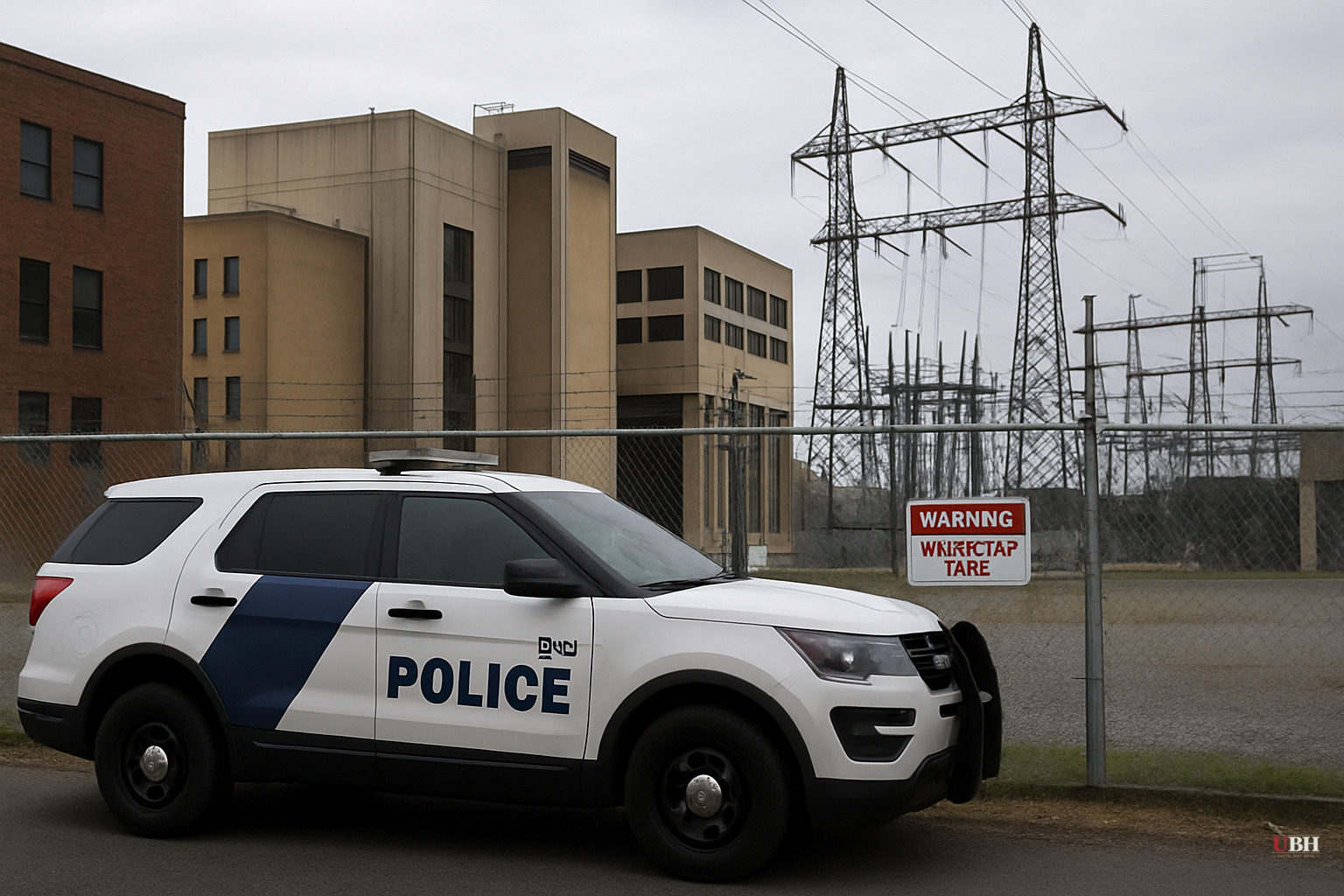
The surface-level fight is about DHS funding — Secret Service, Coast Guard, immigration enforcement agents. According to the Associated Press, Senate Republicans who returned to Washington as of June 1 acknowledged they do not have the votes to pass the Homeland Security spending bill.
The reason isn't partisan obstruction from Democrats. The reason is a White House demand: a $1.776 billion settlement fund described as compensation for Trump's political allies. Senate Republicans want guardrails on how that money gets spent. The White House, as of June 1 according to the AP, had NOT publicly stated whether it would accept any parameters on the fund.
Federal agents — Secret Service, Coast Guard personnel — are reportedly working toward the end of their guaranteed pay window, while the holdup centers on a side fund for political allies.
The 'Anti-Weaponization' Fund Explained
The $1.776 billion figure is labeled by the White House and its allies as an "anti-weaponization" fund — the argument being that Trump supporters were unfairly targeted by the prior administration's Justice Department and deserve compensation.
There ARE documented cases where federal prosecutorial resources were deployed in politically charged ways. Critics of the Biden DOJ have cited real examples.
But Senate Republicans — including members from the GOP's own leadership orbit — are not disputing the concept. They're demanding parameters. Who qualifies? What's the standard of review? Who approves payouts? Without answers, several senators aren't willing to hand a blank check to the executive branch, regardless of which party controls it.
Senate Majority Leader John Thune of South Dakota has been caught in the middle, according to the AP. He's been trying to negotiate without publicly breaking with the White House.
The Broader House Mess
Over in the House, the DHS standoff is one piece of a larger legislative pileup. According to NBC Palm Springs, Speaker Mike Johnson is simultaneously managing:
- The DHS funding impasse
- Reauthorization of Section 702 of FISA (spy powers), which privacy-focused members oppose
- A farm bill that's drawing opposition from the "MAHA" bloc within the GOP
- The ongoing budget reconciliation fight covered separately this week
Rep. Chip Roy of Texas reportedly added a new demand to the mix after a shooting at the White House Correspondents' Association Dinner — funding for a "secure ballroom" on White House grounds. Whether that demand was serious legislative posturing or political theater, it illustrates how far the goalposts have drifted from the original funding dispute.
Johnson's margins in the House are razor-thin. According to NBC Palm Springs, leadership may ultimately need Democratic votes to pass essential bills — a move that would further alienate the right flank that's already furious at the pace of negotiations.
What's Different About This Standoff
Most coverage frames this as a standard intra-party squabble or a procedural delay.
This is instead a standoff where the executive branch is using federal worker pay as leverage to protect a fund that has NO public parameters, NO oversight mechanism on the record, and NO stated criteria for who gets paid from it. The senators objecting are Republicans like Todd Young of Indiana and others raising serious concerns about an unchecked executive slush fund.
This becomes a separation-of-powers question rather than a routine party dispute. Most outlets have not treated it with that framing.
The Strongest Defense of the Fund
Supporters of the anti-weaponization fund argue that Trump supporters subjected to politically motivated federal investigations — some of whom faced financial ruin from legal fees before charges were dropped or acquittals secured — have legitimate claims the government created their harm and should make them whole. If the government itself was weaponized against citizens, a remediation fund follows logically.
The underlying argument has substance. The problem remains that principle does not answer basic accountability questions. Who decides? What's the process? Without those answers, the Senate's hesitation qualifies as basic fiscal responsibility rather than obstruction.
What Happens Next
As of June 11, no deal has been announced. Deputy Attorney General Todd Blanche and DHS leadership have reportedly warned that funding could run dry imminently, according to the NBC Palm Springs/CNN Newsource account from late April.
No investigation into the fund has been announced. No charges have been filed related to it. The dispute remains a legislative standoff.
The core question is straightforward: Will the White House agree to ANY accountability mechanism for $1.776 billion, or will it continue to hold DHS funding hostage until it gets the money with no strings attached?
Taxpayers and federal workers waiting on paychecks deserve a straight answer.
Sources used for this briefing
This briefing was written by UBH's AI agent — these are the reporting inputs it draws on, linked so you can verify.


