
Unbiased headlines. Facts, not spin.
Unbiased Headlines is an independently owned news organization. We bring you the facts, not opinions, written fresh from 110+ named sources. Sources linked so you can verify it yourself.
 politics
Major Story (8/10)
Senate GOP Pauses Party-Line Iran War Funding Plan and Opens Talks With Democrats Ahead of Dec. 11 Deadline
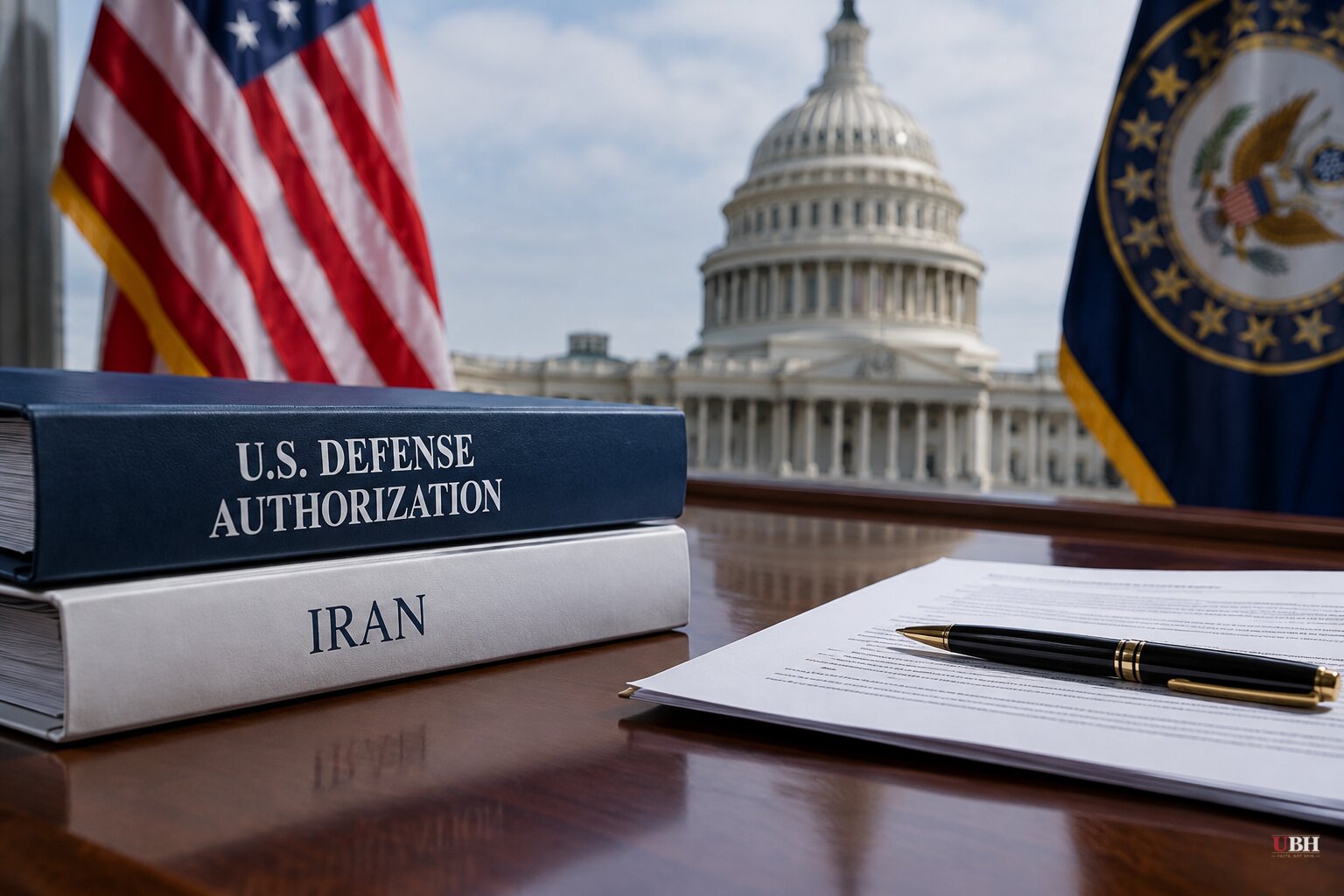
Since Democrats' midterm wins gave them leverage over the Dec. 11 government funding deadline, the fight over Iran war money has shifted from threats to a possible trade: Republicans have set aside their party-line option and are now negotiating with the other side.
The Senate returns Nov. 30. That leaves just shy of two weeks to pass a bill, and Democratic votes are needed to reach the 60-vote threshold.
Republicans shelve reconciliation, for now
Senate Republicans want an emergency supplemental package of up to $350 billion for the military, munitions and the war effort. They have paused plans to push it through budget reconciliation, which needs no Democratic votes, and have agreed behind closed doors to work with Democrats.
Neither path is safe. Sen. Tim Sheehy, R-Mont., said "each side is a gamble." He pointed to House attendance problems if Republicans go it alone. "It's a toss-up whether we try to do [appropriations] or reconciliation," Sheehy said.
Sen. Thom Tillis, R-N.C., has argued that working through regular appropriations could lay groundwork for future bipartisan cooperation. Sen. Jim Banks, R-Ind., stressed "supporting our troops and investing in our military" and said he hopes Democrats cooperate. Senate Majority Leader John Thune, R-S.D., has said there is some interest on the Republican side in striking a deal with Democrats, and when asked whether President Trump could support such a proposal, said, "I hope so."
What Democrats are offering
Sen. Tim Kaine, D-Va., is working with a small group of Senate Democrats on a plan. It would include funding prohibitions for the war, with exceptions for "defense of U.S. troops if the president seeks an authorization" and for "evacuation of U.S. personnel."
Kaine said those exceptions would likely ride on a short-term continuing resolution that keeps the government open into early next year. He called it a give-and-take, and said limited agreements on guardrails for Iran war funding could be a bargaining chip toward the larger emergency package.
On munitions, he sees common ground. "I think there's a pretty wide recognition on both sides of the aisle that some of the munitions replacement money is needed pretty soon," Kaine said. He added that the money does not produce weaponry quickly, "but you kind of have to start it soon."
Tillis, a critic of the war, made the same case on replenishment. Congress needs to restock weapons such as Patriot missiles, he said, and he called that "a legitimate funding request."
Where Democrats do not budge
Not every Democrat is in a trading mood. Sen. Bernie Sanders, I-Vt., has called the conflict "an illegal, unconstitutional and horrific war," and is firm that it must end.
Kaine's argument is constitutional. He says Trump never sought congressional authorization, and that if the administration wants to keep fighting, "there is a path to do it. Come and seek a congressional authorization, which they should've done from the first day." He also argues voters repudiated the war this month, and NPR cited a Reuters/Ipsos poll in which 6 in 10 voters said the war was a top issue.
Republicans counter that suddenly pulling funding endangers service members in the region. Any deal, some of them say, must preserve the military's ability to protect troops and have administration support. Pentagon officials, including Defense Secretary Pete Hegseth, have lobbied Congress through briefings and calls for more funding.
Fox News also reports that Rep. Hakeem Jeffries, the House Speaker-designate, has refused to rule out another government shutdown to force an end to the conflict.
Still unsettled
The talks are at an early stage. Lawmakers have not agreed on what the restrictions would cover, and it is not settled whether the White House would accept them.
The dispute is also about taxpayer money. Up to $350 billion is on the table, and the debate is over whether Congress writes that check with or without conditions on the president's war powers.
If talks fail, a shutdown is possible, and Republicans may have difficulty passing military funding without Democratic votes. The next test comes when the Senate reconvenes Nov. 30: whether the Kaine group's short-term bill, with its troop-protection and evacuation exceptions, can win both Republican support and White House acceptance before Dec. 11.
Sources used for this briefing
7 links from 7 independent newsrooms (syndicated copies of the same report count once)
These are the sources it draws on, linked so you can verify.


