
Unbiased headlines. Facts, not spin.
Unbiased Headlines is an independently owned news organization. We bring you the facts, not opinions, written fresh from 110+ named sources. Sources linked so you can verify it yourself.
 politics
Major Story (8/10)
Jury Convicts Huawei on 10 of 12 Counts, Clears It of Racketeering Conspiracy
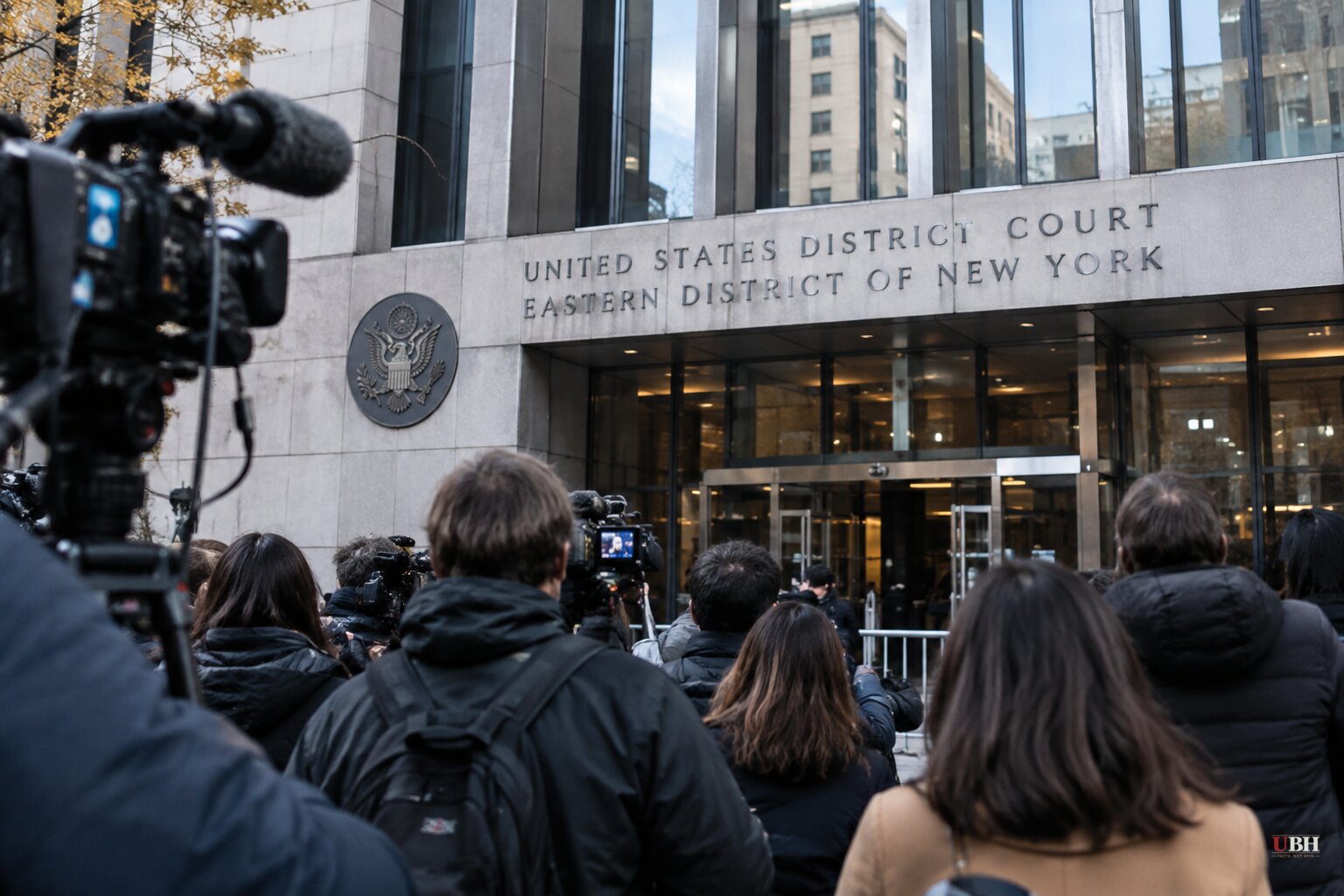
A federal jury in Brooklyn convicted Huawei Technologies on Tuesday, Nov. 24, on 10 of the 12 counts it faced. The case has run for nearly seven years.
The convictions cover conspiracy to steal trade secrets, bank fraud, wire fraud, money laundering, and conspiracy to violate the International Emergency Economic Powers Act, the sanctions law. Jurors acquitted the company on racketeering conspiracy, the top count, and on conspiracy to obstruct justice.
What the jury found
The trial before U.S. District Judge Ann Donnelly in the Eastern District of New York lasted more than two months. Prosecutors called more than 60 witnesses. The defense called 15. Deliberations began on Wednesday, Nov. 18.
The 2018 indictment alleged Huawei misled HSBC, Standard Chartered and BNP Paribas about its business in Iran. Prosecutors added trade-secret charges in 2020, alleging theft from U.S. technology companies over two decades.
At trial, prosecutors tried to prove Huawei took source code from Cisco Systems for its routers and stole antenna technology from the wireless company Quintel. Jurors also watched a video that prosecutors said showed a Huawei employee removing part of T-Mobile's Tappy testing robot from a lab. The indictment also describes a Huawei-linked person slipping into a competitor's booth at a Chicago trade show to photograph circuitry.
Assistant U.S. Attorney Meredith Arfa told jurors in her Nov. 16 closing argument that Huawei built its empire on "theft, lies and cover-ups." She said the company signaled to employees: "You can lie and steal and cheat as long as you're doing it for the benefit of Huawei." Prosecutors also accused founder Ren Zhengfei of brushing off concerns about intellectual property theft. They said other executives offered employees bonuses for passing along competitors' confidential information.
Huawei's response
Huawei said the charges are "without legal or factual merit." It said it will "thoroughly review the relevant verdicts and take all necessary legal actions to defend our rights and interests."
Defense attorney Brian Heberlig of Steptoe LLP said the company will appeal. He called the racketeering acquittal "a profound rejection of the United States' narrative about what Huawei is." Outside court, he said it was "the only count that brought all of the allegations together."
Heberlig argued during the trial that prosecutors put a "sinister spin" on ordinary business practices. He said they built the case from isolated incidents by a few of the company's more than 200,000 employees. Chinese officials have long called the U.S. approach "economic bullying" and said Washington uses national security as a pretext to oppress Chinese companies.
The defense also had to deal with Meng Wanzhou, Huawei's chief financial officer and Ren's daughter. She was arrested in Vancouver in December 2018 and fought extradition for nearly three years. In 2021 she signed a deferred prosecution agreement admitting she misled HSBC executives about Huawei's Iran dealings. The charges against her were then dropped and she flew home to China.
What it changes
Probably less than Washington would like. The U.S. put Huawei on a trade blacklist in 2019, and the company has not been allowed to sell equipment to U.S. carriers for years. Canada and Britain have also blacklisted it. Huawei still sells smartphones and telecom gear worldwide. It has also moved into AI chipmaking, becoming an important alternative in China to Nvidia's hardware.
The counts concern conduct that largely dates back years, including the Iran business behind the sanctions and bank-fraud charges. Nothing in the verdict itself restricts what Huawei sells today.
The split verdict is a mixed result for the Justice Department. Jurors accepted that Huawei and its people broke the law on bank fraud, sanctions and trade secrets. They declined to find that the company operated as a criminal enterprise, the theory prosecutors use to reach an entire organization rather than individual acts.
Huawei's size makes the fine the number to watch. NBC News reported that sentencing is scheduled for Sept. 14, when the company could face large fines and other penalties. The size of any fine and any limits on Huawei's U.S. operations have not been set.
The appeal Huawei has promised will test whether the 10 convictions survive without the racketeering count that prosecutors treated as the spine of the case.
Sources used for this briefing
7 links from 7 independent newsrooms (syndicated copies of the same report count once)
These are the sources it draws on, linked so you can verify.


