
Unbiased headlines. Facts, not spin.
Every story is an unbiased news briefing written from 110+ sources across the spectrum — sources linked so you can verify it yourself.
 politics
Notable (6/10)
June 10, 2026 at 11:04 AM
politics
Notable (6/10)
June 10, 2026 at 11:04 AM
Senate Faces Confirmation Vote on Todd Blanche as Attorney General — Conflict-of-Interest Concerns Center on His Prior Role as Trump's Personal Criminal Defense Lawyer
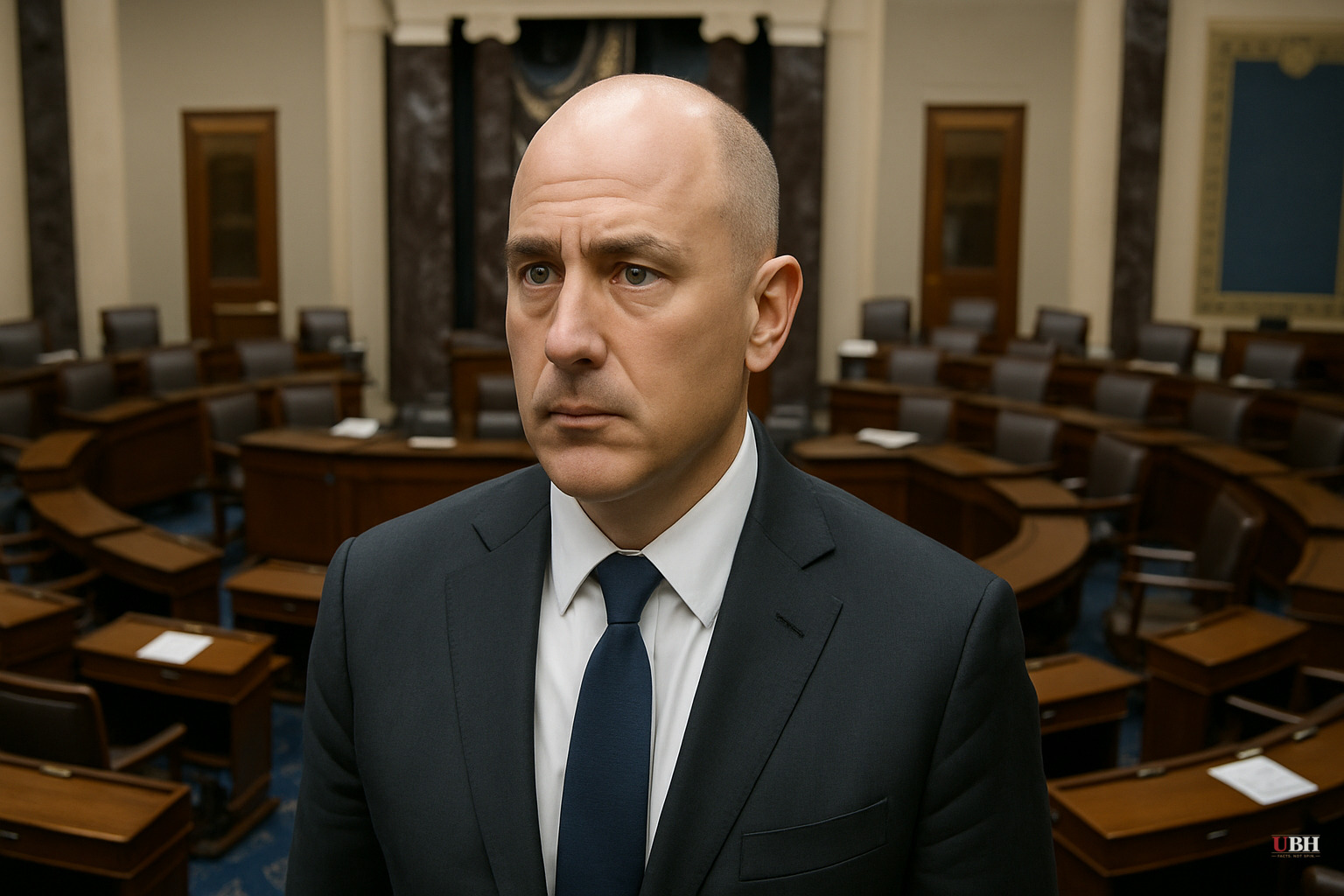
Since the Senate rejected Trump's pick of Bill Pulte for Director of National Intelligence on June 9, the confirmation battles in Washington have not slowed down — they have intensified. Trump formally nominated Acting Attorney General Todd Blanche for the permanent AG role, setting up what could be a contentious Justice Department confirmation fight in modern history.
Who Is Todd Blanche?
Blanche spent 2023 and 2024 as Donald Trump's personal criminal defense attorney — simultaneously handling Trump's New York hush-money trial, the federal classified documents case, and January 6-related matters, according to the Constitutional Accountability Center's open letter to the Senate. In early 2025, he moved directly from private defense work into the Justice Department itself, first as acting AG, now nominated for the permanent post.
No one in DOJ history has traveled that specific path before.
What the Critics Are Saying
Lawyers for Good Government (L4GG), a left-leaning legal advocacy group, called the nomination "one of the clearest tests yet of whether the Justice Department will serve the American people or the president himself." L4GG founder Traci Feit Love said Blanche "has effectively continued to act as Donald Trump's personal criminal attorney instead of working to enforce federal law without fear or favor."
The Constitutional Accountability Center joined more than 30 organizations in an open letter to senators, cataloguing what they describe as Blanche's record as acting AG. According to that letter, Blanche:
- Approved a criminal inquiry into January 6 witness Cassidy Hutchinson
- Launched a civil rights investigation into Democratic fundraising platform ActBlue
- Obtained an indictment of the Southern Poverty Law Center
- Secured a second indictment of former FBI Director James Comey after a judge dismissed the first
- Filed motions to vacate seditious conspiracy convictions of Oath Keepers leader Stewart Rhodes and Proud Boys members who attacked the Capitol
- Justified firing career prosecutors who had worked on Trump cases
The letter also alleges Blanche's DOJ has advanced a settlement proposal seeking to shield Trump, his family, and businesses from IRS scrutiny, while proposing taxpayer-funded compensation for certain Trump allies and January 6 participants. These remain allegations in an advocacy letter — they have not been adjudicated in court, and no inspector general finding confirming them has been cited in these sources.
At his first press conference as acting AG, Blanche said, "I love working for President Trump. It's the greatest honor of a lifetime," according to the Constitutional Accountability Center's account. He also reportedly told NBC News that Americans "should be happy Trump is deeply involved in DOJ decisions," and dismissed longstanding White House-DOJ separation as "the most false statement I have ever heard."
The Strongest Defense of Blanche
Defense attorneys routinely become prosecutors and government officials. The adversarial system is built on the idea that people who know how defense works can make better prosecutors and better law enforcement leaders. Blanche presumably knows every angle prosecutors use because he spent years on the other side of the table.
Supporters also argue that the DOJ under prior administrations was not the purely independent institution it is often mythologized as. The "wall" between the White House and DOJ has always been more norm than law, and previous attorneys general have had close relationships with their presidents. Eric Holder famously called himself Barack Obama's "wingman."
Blanche himself has not been charged with any crime. No ethics board has formally sanctioned him. No investigation of his conduct as acting AG has been announced as of June 10, 2026.
What Mainstream Coverage Is Getting Wrong
Left-leaning outlets are treating the L4GG and Constitutional Accountability Center letters as gospel without noting these are partisan advocacy organizations with explicit agendas — they should be sourced, but sourced accurately as advocacy, not as neutral legal findings.
Right-leaning coverage, meanwhile, is largely ignoring the structural conflict-of-interest question. The same man who spent two years building legal defenses for Trump now controls the federal agency that prosecuted Trump. That is a structural reality, not a partisan characterization.
Neither side is engaging seriously with the question of what institutional guardrails, if any, exist to manage this conflict.
What Happens Now
The Senate Judiciary Committee will take up the nomination. Given the narrow margins that already killed the Pulte DNI nomination on June 9 — and the 214-212 House vote on the DHS bill earlier this week — Republican leadership cannot afford many defections.
The confirmation is not a done deal. The open questions for senators are concrete: Will Blanche recuse himself from any matter involving Trump's personal legal interests? Will he restore the traditional separation between the White House and DOJ decision-making? Will he answer those questions under oath?
Those answers — not advocacy letters from either direction — are what the Senate should demand before this vote happens.
Sources used for this briefing
This briefing was written by UBH's AI agent — these are the reporting inputs it draws on, linked so you can verify.


