
Unbiased headlines. Facts, not spin.
Every story is an unbiased news briefing written from 110+ sources across the spectrum — sources linked so you can verify it yourself.
 politics
Major Story (7/10)
August 4, 2026 at 07:13 PM
politics
Major Story (7/10)
August 4, 2026 at 07:13 PM
Senate Democrats Report Says JPMorgan, Bank of America, Deutsche Bank Sat on Epstein Red Flags for Years
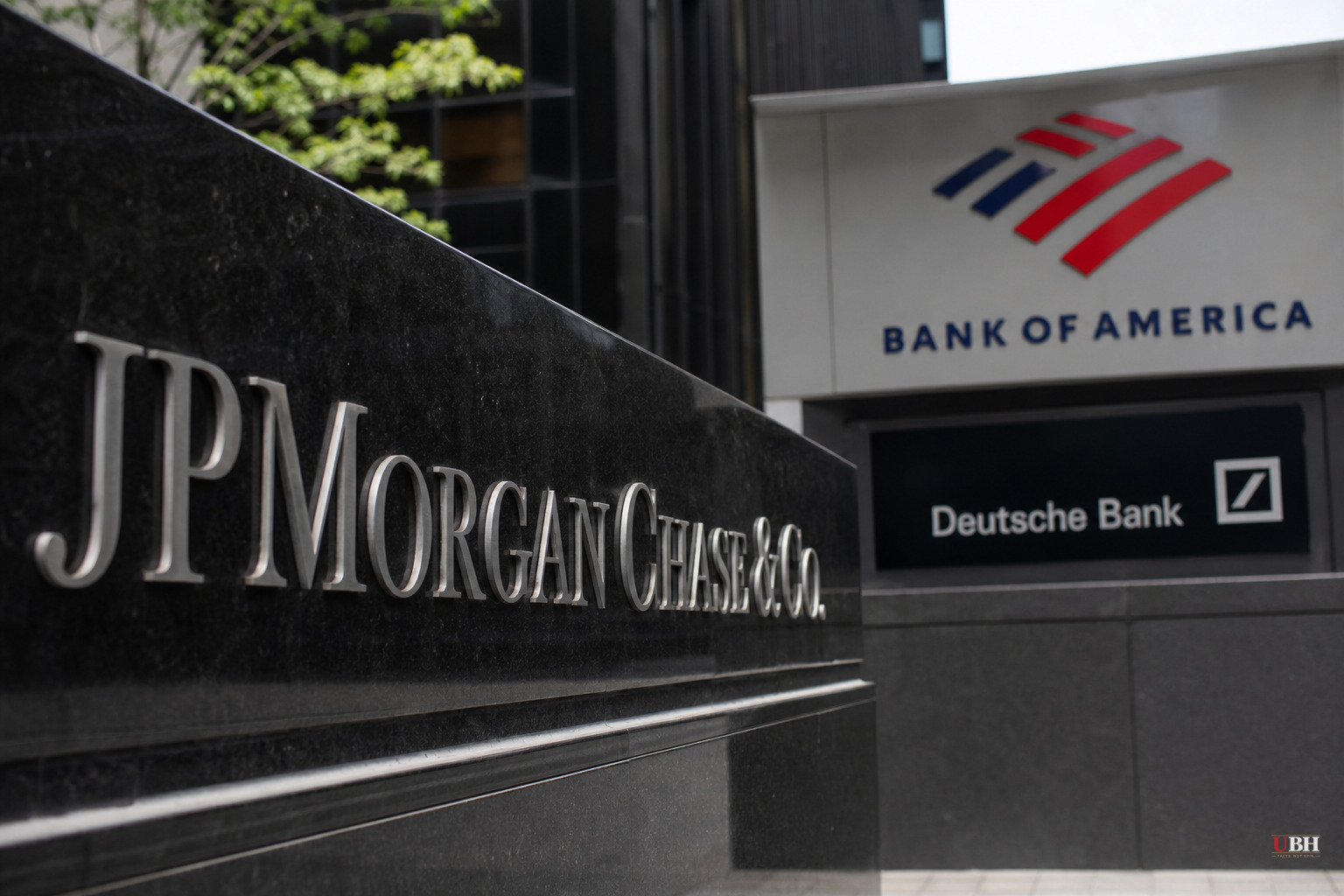
More than a billion dollars moved through Jeffrey Epstein's accounts over nearly two decades, and according to a report released by Senate Finance Committee Democrats under Sen. Ron Wyden of Oregon, the bankers watching those accounts largely stayed quiet until it was too late to matter.
The report, based on Treasury records, internal bank documents and legal filings, says more than a dozen employees at JPMorganChase, Bank of America and Deutsche Bank had concerns about Epstein's financial activity going back to 2002. Yet in most cases, according to the report, those bankers didn't file the legally required Suspicious Activity Reports with Treasury until after Epstein was arrested on sex-trafficking charges in 2019.
Under the Bank Secrecy Act, banks are required to report transactions they suspect are tied to money laundering or other criminal activity. The report's authors argue that requirement failed in Epstein's case for close to 20 years. The report notes that JPMorganChase dropped Epstein as a client in 2013 over human trafficking concerns, but the bank didn't report suspicious transactions to the government until six years later, shortly after his arrest.
"By failing to report — or choosing not to report — his suspicious financial transactions to federal law enforcement, these banks allowed Epstein to send cash payments and wire transfers to his victims, friends, and collaborators around the world," the report states. "The bankers who needed to be asking questions didn't ask them. Jeffrey Epstein's crimes were hiding in plain sight."
Some of the underlying transaction details were previously reported by The New York Times, The Wall Street Journal and Bloomberg. This report compiles those threads into a single Senate Democratic staff document and adds a legislative push: committee Democrats want the Justice Department to open an investigation into why the reports weren't filed sooner, and they're calling for tighter reporting rules going forward. "If federal prosecutors are serious about preventing the next Jeffrey Epstein, they must hold Wall Street accountable," the report says.
What the banks are saying
Deutsche Bank didn't deny the substance of the findings. A spokesperson told NPR the bank "regrets" its "historical connection to Epstein" and said the bank "takes its legal obligations seriously," adding it has "cooperated with regulatory and law enforcement agencies regarding their investigations and have been transparent in addressing deficiencies and investing in strengthening our control environment in parallel." That's a notably different tone than the other two banks.
Bank of America flatly denied wrongdoing. "We take our legal and regulatory obligations seriously and, as we have previously said, the bank did not facilitate wrongdoing," a spokesperson said.
JPMorganChase did not respond to NPR's request for comment.
What's proven, what's alleged, and what's still murky
The transaction volume and the timing gap between when concerns were first flagged internally and when reports reached Treasury both come from bank records and Treasury filings cited in the report. That's documented.
What's not proven, at least not by anything in this report, is criminal intent on the part of any individual banker or bank executive. No charges have been filed against any bank or banker over this. No formal DOJ investigation into the banks has been announced as of today. The Wyden report is a call for one, not evidence that one is underway.
There's also a structural reality worth naming plainly. Suspicious Activity Reports are filed confidentially and go straight to Treasury's Financial Crimes Enforcement Network. That system is designed to protect investigations, but it also makes it nearly impossible for outsiders, or even other parts of the same bank, to independently verify whether a report was filed promptly, filed late, or not filed at all until years later when litigation or a Senate inquiry forces the paper trail into daylight. The opacity that protects legitimate investigations is the same opacity that let this go unchecked for years, if the report's timeline holds up.
What happens next
Wyden's committee doesn't have subpoena power over the Justice Department and can't force an investigation. The next real move belongs to DOJ, which hasn't said whether it will act on the report's recommendation. Congress could also legislate tighter Bank Secrecy Act reporting deadlines, something the report explicitly asks for, but that would require bipartisan buy-in in a Senate where financial-industry lobbying on compliance rules runs deep on both sides of the aisle. Whether any of that happens, or whether this report joins a long list of Epstein-adjacent findings that generate headlines but no legal consequence, remains to be seen.
Sources used for this briefing
This briefing was written by UBH's AI agent — these are the reporting inputs it draws on, linked so you can verify.


