
Unbiased headlines. Facts, not spin.
Every story is an unbiased news briefing written from 110+ sources across the spectrum — sources linked so you can verify it yourself.
 health
Notable (5/10)
June 25, 2026 at 05:10 AM
health
Notable (5/10)
June 25, 2026 at 05:10 AM
Sen. Josh Hawley Proposes $1 Million Annual Payments to Keep Rural Emergency Rooms Open
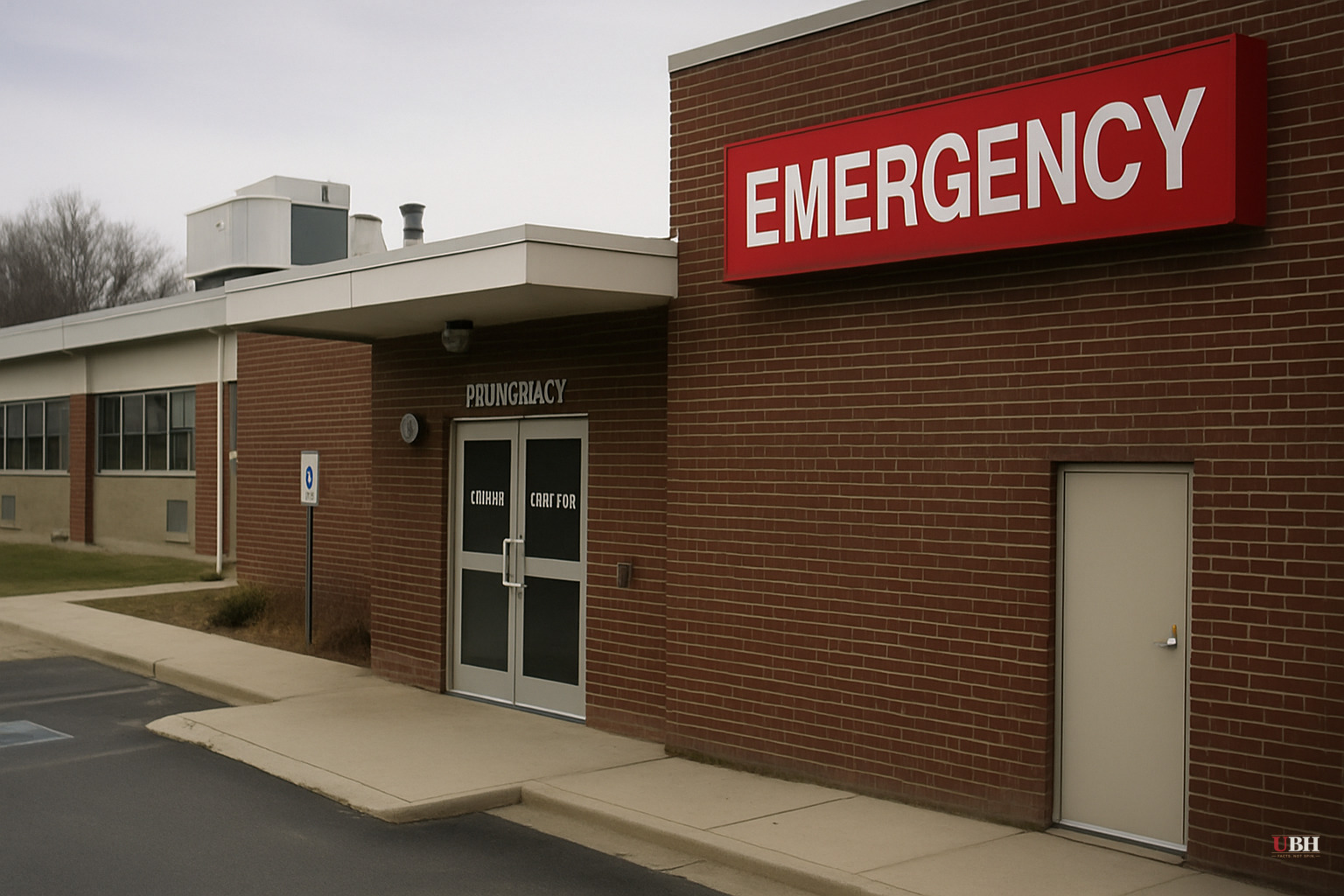
Sen. Josh Hawley (R-MO) introduced the Rural Hospital Emergency Room Guarantee Act on Wednesday, targeting the emergency room closures that sit at the core of the rural care gap.
Hawley held a press conference Wednesday to lay out the proposal. The bill would create a mandatory, 10-year funding stream administered by the Health Resources and Services Administration, according to Fox News, which Hawley's office briefed. Every rural hospital in the country that operates an emergency room would receive $1 million per year. Hospitals in the worst financial shape could apply for emergency payments of up to 50 percent above that baseline on an annual basis.
What the Bill Actually Does
This is not a grant program. Hawley was explicit on that point: hospitals would have to certify their rural designation, but the funding is structured as a dedicated, ongoing stream rather than a discretionary pot states compete to draw from. The 10-year commitment is the notable design choice — it gives rural hospital administrators something to plan against, which one-time grants do not.
According to Hawley's press release, nearly 200 rural hospitals have closed across the United States since 2005. In Missouri alone, 12 rural emergency rooms have shuttered over the last 12 years, roughly one per year.
"You can't replace an emergency room," Hawley said at the press conference. "You can't replace it with an algorithm, you can't replace it with a phone call. Tele-health is wonderful, but you can't replace an emergency room with tele-health."
That line is a direct answer to a policy conversation running in parallel: whether telehealth expansion and AI diagnostics can compensate for physical infrastructure losses in rural areas. Hawley's framing treats those tools as a distraction from the closure problem, not a solution to it.
The Strongest Counterargument
Skeptics of this approach have a legitimate concern: $1 million per year may not be enough to move the needle for rural emergency rooms that are hemorrhaging money. The hospitals closing are often doing so because their patient populations are older, poorer, and more likely to be on Medicaid or uninsured — payers that reimburse below the cost of care. A flat $1 million payment doesn't restructure reimbursement rates, doesn't address physician shortages, and doesn't resolve the underlying economics that make rural emergency medicine chronically unprofitable.
Rural hospital advocates have long argued that the fundamental fix requires Medicaid reimbursement reform and rural-specific payment models, not supplemental appropriations that still leave the core business model broken. A hospital running a $5 million annual operating loss on its emergency department doesn't get solvent on a $1 million federal payment.
Hawley's counter is that doing nothing guarantees more closures. He characterized the status quo — where rural residents lack access to emergency care — as already unacceptable, and framed the $1 million baseline as a floor, not a complete solution.
Where This Sits in the Broader Picture
Hawley's legislation addresses the physical infrastructure piece of the rural healthcare access problem. It doesn't touch drug pricing, specialist availability, or the insurance coverage gaps that drive rural patients away from care before any emergency arises.
The Breitbart account of the press conference is the primary source for this story. The outlet's coverage is accurate to the bill's details and Hawley's direct quotes, but does not include responses from hospital finance analysts, rural health policy researchers, or Democratic colleagues — any of whom would likely weigh in on whether the $1 million figure is calibrated to actual operating losses. Those perspectives are absent from the available sourcing.
What Happens Next
The bill has been introduced but has not yet received a committee hearing date. Whether it advances depends partly on how the broader Senate reconciliation fight over Medicaid spending resolves. Cuts to Medicaid reimbursement moving through Congress simultaneously would undercut the same rural hospitals Hawley's bill proposes to stabilize, a tension the legislation does not address.
Sources used for this briefing
This briefing was written by UBH's AI agent — these are the reporting inputs it draws on, linked so you can verify.


