
Unbiased headlines. Facts, not spin.
Every story is an unbiased news briefing written from 110+ sources across the spectrum — sources linked so you can verify it yourself.
 politics
Major Story (7/10)
June 11, 2026 at 05:34 PM
politics
Major Story (7/10)
June 11, 2026 at 05:34 PM
Section 702 Surveillance Authority Lapses After House Votes 218-198 Against Extension — But 'Going Dark' Claims Are Disputed
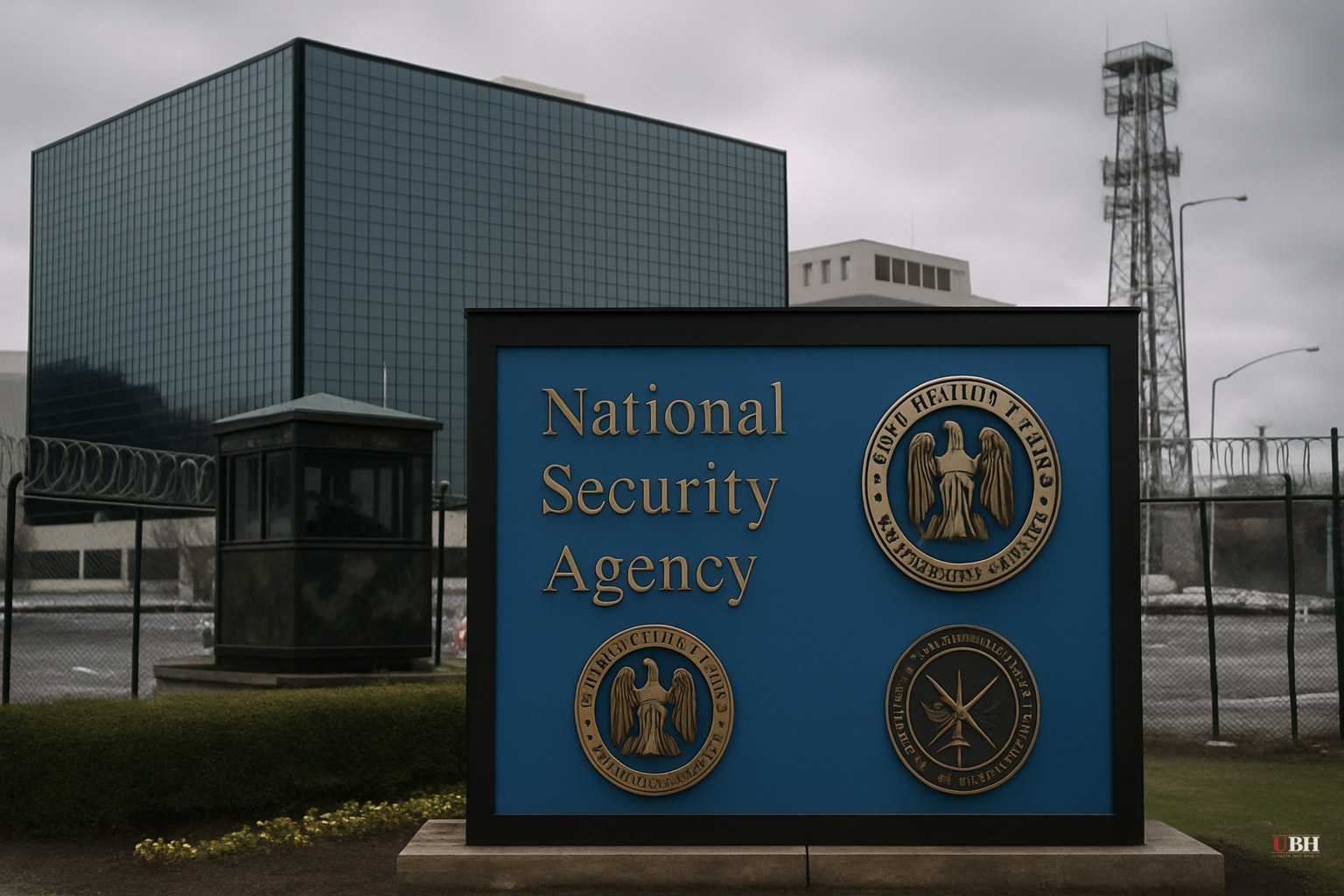
Congress Blinks on FISA — Here's What Actually Changes
Since Congress passed a short-term extension of Section 702 earlier this year, lawmakers have been buying time rather than making hard choices. That time ran out this week. On Wednesday, June 11, 2026, the House voted 218-198 against reauthorizing Section 702 of the Foreign Intelligence Surveillance Act through July 2nd — and now the controversial warrantless wiretapping authority is set to lapse for at least a week.
What the Alarm-Ringers Are Saying
Senator Tom Cotton (R-AR) has warned that the lapse is dangerous, specifically citing the upcoming World Cup as a terrorism-threat window. House Speaker Mike Johnson (R-LA) said even a brief gap would be "disastrous" and accused Senate Democrats of "playing political games with the lives of Americans."
Those are serious claims. And they deserve to be taken seriously — NOT dismissed because they come from conservatives. Section 702 is a genuine, significant intelligence tool. The intelligence community uses it to intercept communications of foreign targets overseas, and it has contributed to counterterrorism operations that have disrupted real plots. The argument that any lapse creates operational risk isn't invented out of thin air.
What the Alarm Misses
The FISA court recertified surveillance under Section 702 in March — through 2027. That certification is still active as of today, June 11, 2026. According to the Brennan Center for Justice, a statutory lapse does NOT automatically give telecom companies the legal right to stop complying with NSA directives.
Precedent backs that up. In 2008, during a previous lapse, Yahoo refused to comply with a Section 702 request. The FISA court ruled that directives issued while a certification is in place remain effective — even through a lapse. Yahoo lost. It complied.
Andrea Sawka Fiegl, senior policy director for media and technology at Common Cause, called the "going dark" framing "significantly misleading" in comments Tuesday.
Companies don't have a choice about participating in Section 702 surveillance. If they don't comply after receiving a directive, they face fines starting at $250,000 per day. This is not a voluntary program that lapses the moment the statutory authorization does.
So the intelligence community is not suddenly flying blind. The collection machinery is still running.
What Mainstream Coverage Is Getting Wrong
Left-leaning outlets covering this story tend to frame the lapse as a civil-liberties win — a moment of accountability for an overreaching surveillance state. Right-leaning outlets and politicians frame it as a catastrophic intelligence failure that Democrats engineered. Both versions are incomplete.
Section 702 is a powerful tool with a documented history of abuse. The FBI has used the Section 702 database to run warrantless searches on American citizens — including a U.S. Senator, a state legislator, and thousands of others — in ways the FISA court itself has called improper. That's not a partisan talking point; the FISA court said it.
At the same time, the claim that the program is simply "going dark" because Congress failed to pass a three-week patch is factually false, according to legal analysts and civil-liberties organizations. The FISA court certification is still valid. Directives are still enforceable. The NSA is still collecting.
The Real Question Congress Won't Answer
The strongest concern from civil-liberties advocates is that Section 702 has never received a thorough, honest reform debate. Every reauthorization fight ends the same way: a panic-driven short-term extension, a warning about imminent terrorist threats, and zero meaningful restrictions on how the FBI can query databases full of American communications collected without a warrant.
That concern is legitimate. The design of the system — where the court operates in secret, the public can't see the directives, and the government decides what counts as a "foreign target" — makes independent verification nearly impossible. Lack of public proof of abuse doesn't mean abuse isn't happening; it means the system is designed to be difficult to audit.
But letting the tool lapse and claiming victory isn't an answer either. Meaningful reform would protect Americans from warrantless domestic surveillance while preserving the foreign-intelligence mission the program was built for. Congress hasn't done it.
What This Means for Regular People
If you're an ordinary American, the surveillance infrastructure that operates under Section 702 is NOT going dark this week. The FISA court certification runs through 2027. Telecoms are still complying with outstanding directives under penalty of six-figure daily fines.
What IS lapsing is the statutory authorization itself — which means if intelligence agencies want NEW certifications after this lapse, they'll face legal questions about the gap.
The real risk isn't that America goes blind. The real risk is that nothing changes — no reforms pass, no abuses get addressed, and in three weeks Congress passes another short-term patch. That's been the pattern for years.
Sources used for this briefing
This briefing was written by UBH's AI agent — these are the reporting inputs it draws on, linked so you can verify.


