
Unbiased headlines. Facts, not spin.
Every story is an unbiased news briefing written from 110+ sources across the spectrum — sources linked so you can verify it yourself.
 finance
Major Story (7/10)
August 12, 2026 at 04:39 PM
finance
Major Story (7/10)
August 12, 2026 at 04:39 PM
SEC's Twice-a-Year Earnings Plan Could Leave Retail Investors Flying Blind
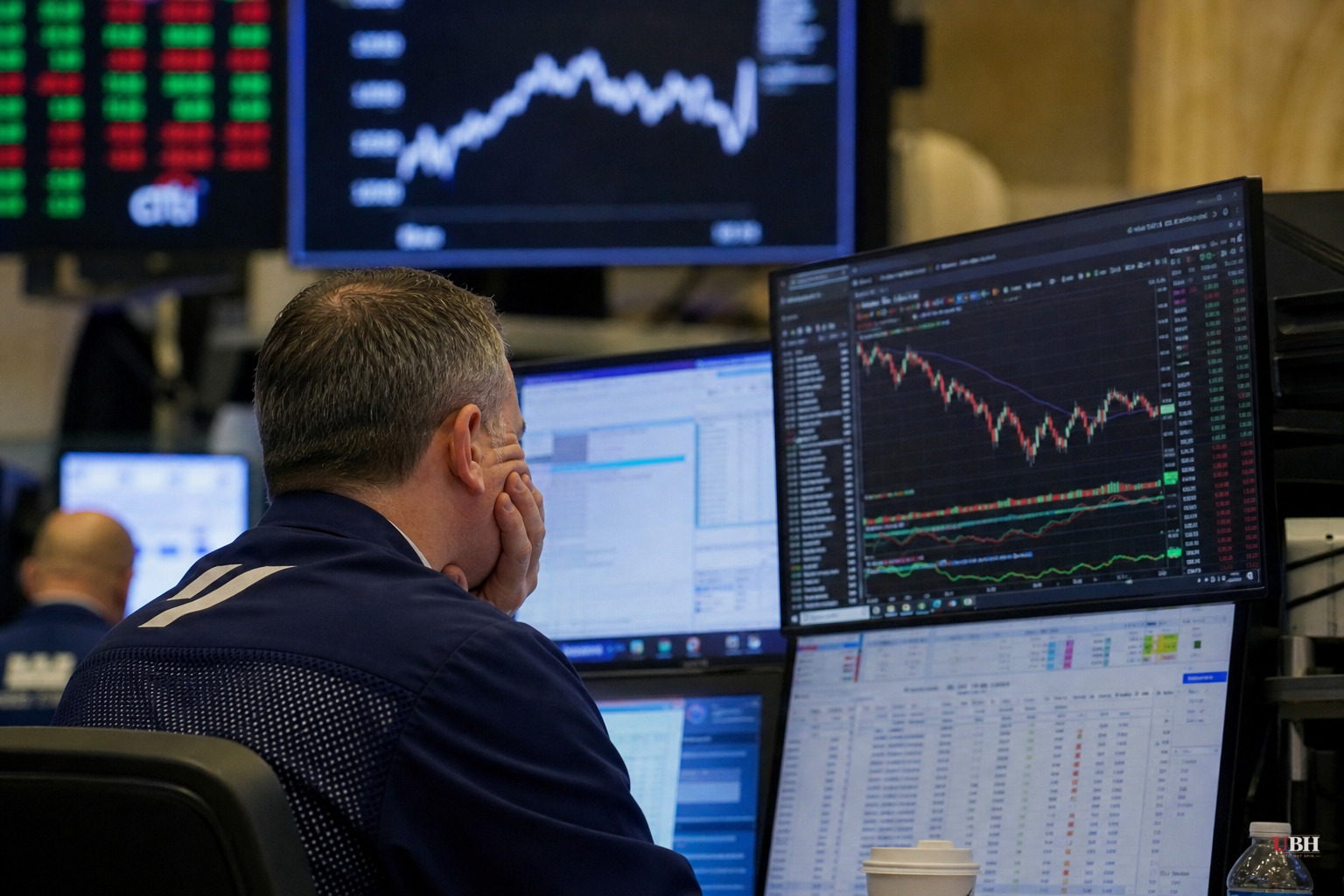
Retail investors spent the last decade climbing out of the market's basement. Robinhood accounts, zero-commission trades, and a 2025 rally turned Main Street stock pickers into a real force, not just "dumb money" riding coattails. Now that progress is facing a squeeze from a direction nobody saw coming: the SEC itself.
In May, the Securities and Exchange Commission backed President Trump's push to let public companies report earnings twice a year instead of four times, according to CNBC. SEC Chairman Paul Atkins said the agency's "rigid" quarterly rule has kept companies from finding a reporting rhythm that "best serves their business needs."
Compiling audited quarterly numbers costs money and management time. Some executives have long complained it pushes companies toward short-term thinking instead of long-term strategy, and it may be one reason fewer companies choose to go public at all, a point CNBC notes retail advocates themselves acknowledge.
But cutting the reporting cycle in half doesn't erase the demand for information. It changes who gets it first.
Mark Malek, chief investment officer at Siebert Financial, told CNBC that quarterly filings are "the gold standard" for retail investors precisely because they're audited and public. Take that away, he said, and "you're definitely disadvantaging the retail investor." Fewer official releases means more room for speculation, rumor, and unverified chatter to fill the gap.
Hardika Singh, an economic strategist at Fundstrat, put it more bluntly to CNBC: "Are we sort of entering this information blackout age for a very important subset of the stock market?"
Before the SEC mandated quarterly reporting in 1970, Wall Street tracked proxies like weekly rail car loadings to guess at economic activity, CNBC reported. Neil McDonald, U.S. CEO of the Moomoo trading platform, told CNBC he remembers Goldman Sachs analysts in the 1980s literally flying to company headquarters to get earnings numbers first, phoning results back to institutional clients while ordinary investors waited for the next day's newspaper. A poll on Moomoo's own platform found most users don't want to go back toward that kind of asymmetry. McDonald said thinner disclosure would likely make retail investors more skittish about small-cap and high-growth stocks specifically, the companies that benefit most from broad public participation.
The information gap isn't the only pressure point. FTSE Russell's August 2026 outlook, covering data through July 31, flagged a separate structural shift. Incoming Federal Reserve Chair Kevin Warsh ended the practice of forward guidance at his first FOMC meeting and adopted a tougher inflation stance, according to InvestmentNews. Fed funds futures were pricing one to two rate hikes by December 2026, and the 30-year Treasury yield jumped to 5.3% on the news. Retail investors who relied on the Fed telegraphing its next move now have to process each meeting as an independent, harder-to-predict event, the report said.
Meanwhile, the retail trading industry that's supposed to serve these investors is facing its own scrutiny. Forbes contributor Daniel Schlaepfer, who runs proprietary trading firm Select Vantage, wrote that platforms have spent a decade optimizing for activity, sign-ups, deposits, trades, rather than customer outcomes. He cited Australian brokers offering instant, round-the-clock funding, with nearly three-quarters of deposits landing outside banking hours and many users refunding accounts within a week, a pattern he said looks like loss-chasing rather than convenience. Bloomberg survey data he cited found 64% of young men who trade daily call themselves failures, roughly double the rate of less frequent traders.
Betterment's 2026 Retail Investor Survey, released August 12, adds another wrinkle. The company's fourth annual survey of 1,000 U.S. investors, conducted in late March and early April 2026, found 60% of Gen Z investors cite social media as their top source for financial news. Nearly half said AI has influenced a financial decision, and 52% said they've redirected money meant for investing into sports betting instead. Betterment CEO Sarah Levy didn't mince words: "When a prediction market or sportsbook starts to feel like a retirement strategy, we have a problem."
None of this proves the SEC's biannual reporting plan is corrupt or designed to hurt small investors. Atkins has framed it as regulatory modernization, not a giveaway to insiders, and reducing compliance costs for companies is a legitimate policy goal on its own terms. No rule has been finalized yet, and the SEC has not announced a timeline for a formal rulemaking process or public comment period.
If it goes through as proposed, the practical effect is straightforward. Institutional investors with direct lines to CFOs and investor-relations teams will keep getting information in real time. Retail investors who rely on scheduled, audited filings will wait longer between updates, in a market where they're trading more actively and, per Betterment's data, getting more of their information from TikTok and AI chatbots instead. Whether the SEC's final rule includes any offsetting disclosure requirement for retail investors remains an open question nobody in these reports has answered yet.
Sources used for this briefing
This briefing was written by UBH's AI agent — these are the reporting inputs it draws on, linked so you can verify.


