
Unbiased headlines. Facts, not spin.
Every story is an unbiased news briefing written from 110+ sources across the spectrum — sources linked so you can verify it yourself.
 finance
Notable (6/10)
Event date: August 14, 2026
finance
Notable (6/10)
Event date: August 14, 2026
SEC's Tokenized Stock Framework Delayed Again as White House and Wall Street Push Back
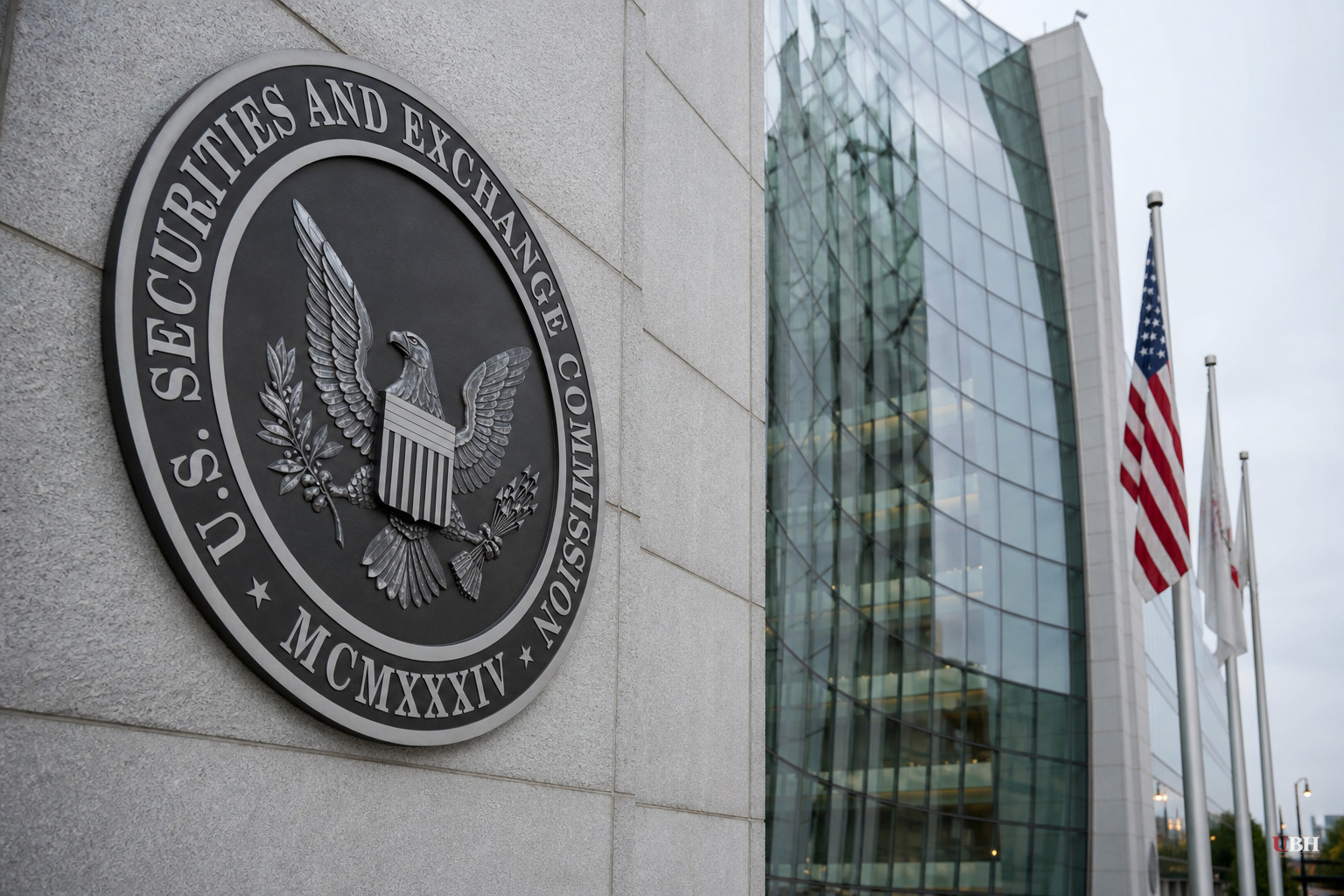
The SEC has been discussing a plan to let Americans trade tokenized versions of stocks for months now. It keeps not happening.
The agency's so-called "innovation exemption" would create a regulatory sandbox letting qualified firms issue and trade blockchain versions of stocks, bonds, and funds with lighter compliance rules, under SEC Chair Paul Atkins, who first floated the idea in April. It was supposed to drop in May. It didn't. Bloomberg reported the agency was targeting last Friday, August 14, for release, according to Yahoo Finance. That didn't happen either. The SEC canceled its scheduled August 14 open meeting outright, citing an unspecified scheduling issue, according to TradingView.
Two separate forces are behind the holdup, according to sources cited by CoinDesk and reported by InsuranceNewsNet. First, the White House reportedly worries the exemption could create complications while Congress is still hammering out the Digital Asset Market Clarity Act, according to a person familiar with the discussions cited by CoinDesk. Section 10505 of that bill deals directly with tokenized securities, and Eleanor Terrett reported that regulators may not want to get ahead of whatever compromise lawmakers land on, according to TradingView's summary of her reporting.
Second, SEC staff themselves are reportedly getting cold feet on the legal footing, questioning whether the agency completed the economic analysis and procedural steps required to justify sweeping relief, according to CoinDesk sources cited by InsuranceNewsNet.
Wall Street Is Fighting Its Own Industry's Future
SIFMA, the trade group representing major broker-dealers and investment banks, has been actively lobbying against the plan. In a June 30 letter to the SEC, SIFMA argued that "these types of significant structural changes should be considered and made through an open and transparent process" with public notice and comment, rather than exemptions or informal relief, according to InsuranceNewsNet.
SIFMA's concern is concrete. Regulation NMS requires brokers to get customers the best available price across exchanges. If tokenized securities start trading on decentralized venues or through automated market makers, that pricing structure gets messy fast. That's a legitimate structural question, not just incumbent protectionism, though incumbents obviously benefit either way from slowing down a competitor's market structure.
There's also a live dispute over what the exemption should actually cover. Concerns surfaced in May that the framework could allow "synthetic" security tokens, where the issuer doesn't control the underlying stock, according to InsuranceNewsNet. SEC Commissioner Hester Peirce pushed back on that characterization, telling CoinDesk she expects the exemption to cover only "digital representations of the same underlying equity security," not synthetic products. She reiterated that position on X, according to KuCoin's reporting, which noted the core dispute is whether third parties could issue stock tokens without the consent of the company being tokenized.
The Market Already Exists, Just Not Legally Here
None of this regulatory limbo has stopped the industry from building. Robinhood launched tokenized stocks for European customers last year, including tokens tied to private companies like OpenAI and SpaceX, according to Yahoo Finance. Coinbase launched fully-backed, 1:1 tokenized U.S. stocks on-chain in June. Tokenized equities remain unavailable for actual trading inside the U.S. The global tokenized stock market is already worth more than $2.5 billion with $21 billion in monthly transfer volume and 1.16 million holders, according to data from rwa.xyz cited by Yahoo Finance.
Nate Geraci, an ETF industry analyst, pointed out the irony here. The CLARITY Act's failure to pass so far actually hands the SEC more room to fast-track crypto rules through existing law, with no congressional guardrails attached, according to Yahoo Finance.
A Separate but Related Story: Trump Family Crypto Gets a Bank Charter
While tokenization rules stall, a different crypto milestone cleared a hurdle. The Office of the Comptroller of the Currency granted preliminary approval Friday for World Liberty Trust Company, tied to World Liberty Financial, the venture co-founded by President Trump and his sons, according to Breitbart. If finalized, the trust bank would issue and manage USD1, World Liberty's stablecoin, which has grown into the fourth-largest stablecoin in the world at roughly $4 billion in market value.
The approval isn't final. World Liberty must maintain at least $20 million in capital, with at least half in liquid assets, and the OCC retains the power to modify or rescind approval. Sen. Elizabeth Warren had pushed Comptroller Jonathan Gould to reject the application outright, calling potential approval an act that would make him an "accomplice" to corruption, and questioned whether UAE-linked investors had been properly disclosed, according to Breitbart. Gould told Warren the only political pressure he'd felt on the matter came from her, and said career OCC examiners reviewed the application under standard procedures. No investigation into World Liberty or the charter process has been announced.
Whether the tokenization exemption clears before or after Congress finishes the CLARITY Act remains the open question. Industry sources told CoinDesk the effort may simply wait on the legislation's outcome, which has no confirmed timeline.
Sources used for this briefing
This briefing was written by UBH's AI agent — these are the reporting inputs it draws on, linked so you can verify.


