
Unbiased headlines. Facts, not spin.
Every story is an unbiased news briefing written from 110+ sources across the spectrum — sources linked so you can verify it yourself.
 finance
Notable (6/10)
July 24, 2026 at 06:23 PM
finance
Notable (6/10)
July 24, 2026 at 06:23 PM
SEC's Climate Disclosure Repeal Enters Public Comment Period, Set to Close August 3
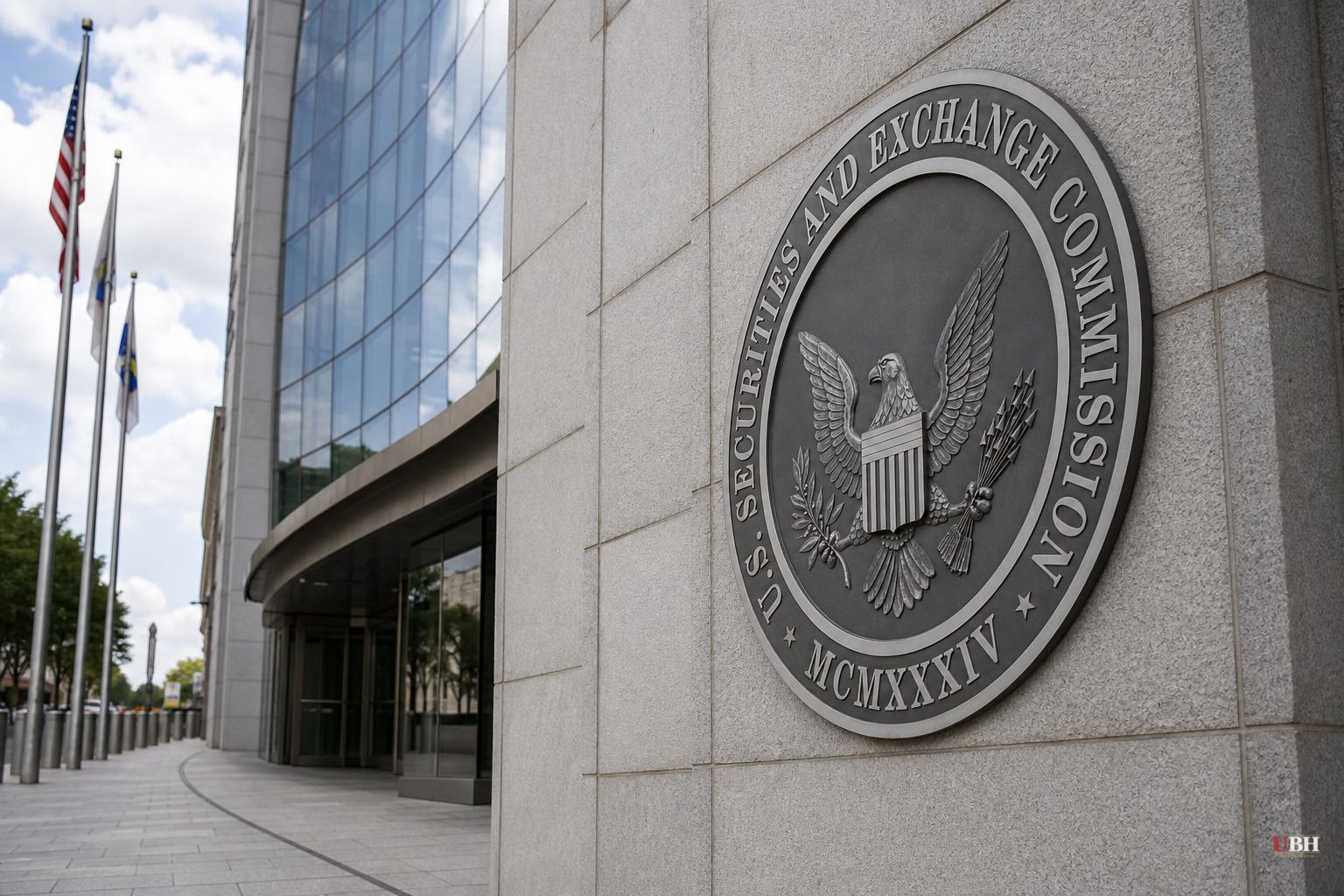
The SEC's proposal to kill its 2024 climate disclosure rule is now in the public comment phase, running through August 3, 2026, according to the agency's own proposing release and press release. That's the concrete new step since the Commission formally announced the rescission plan on May 29, 2026. Nothing has been finalized. The rule isn't dead yet, but all three sitting Commissioners reportedly support the proposal, according to legal analysis of the proceeding.
The SEC adopted the climate rule on March 6, 2024, under then-Chair Gary Gensler. It would have forced nearly every public company to disclose greenhouse gas emissions, climate risk management practices, and how severe weather events hit their financial statements. The rule got challenged in court almost immediately. The SEC itself stayed the rule on April 4, 2024, pending litigation in the Eighth Circuit. By March 27, 2025, the Commission voted to stop defending its own rule in court. The Eighth Circuit then held the case in abeyance on September 12, 2025, effectively telling the SEC to either fix the rule through proper notice-and-comment process or recommit to defending it.
The May 29 proposal is that fix, and it's a full repeal, not a tweak.
What never actually happened
The rule was stayed from day one. Because the rules were stayed, no company has ever had to comply, according to a legal analysis of the proposal. All those emissions disclosures, all that climate risk modeling, none of it was ever legally required. Companies that built compliance infrastructure anyway did it as a hedge against the rule surviving litigation, not because they had to.
It's not a case of the SEC yanking away something companies were actively living under. The agency is formally closing the door on a rule that's been in legal limbo for over two years.
The case for repeal
SEC Chairman Paul Atkins framed the move around returning the agency to what he called its "core mandate," saying disclosure obligations should be "guided by materiality as the North Star" and shouldn't have "the practical effect of dictating corporate behavior," according to the SEC's own press release.
The Daily Signal's Sarah Wagoner and Michael Bicksel make a sharper version of that argument. They contend the 2024 rule turned companies into "environmental data collection and modeling organizations" instead of businesses, and note that climate models have consistently overestimated actual warming. They also raise a point worth taking seriously: information overload. Institutional investors are far better equipped to handle heavy compliance burdens than small and independent investors, and excessive disclosure requirements can create asymmetry between Wall Street and Main Street. Piling on speculative, forward-looking climate data that has little to do with a company's core financials can bury the signal small investors actually need in noise they can't use.
The SEC's own proposing release backs a chunk of this up directly, arguing the 2024 rules "exceed the scope of the agency's statutory authority," impose costs "not justified by the informational benefits," and stray "well beyond the policy concerns of the federal securities laws."
The case against repeal, stated fairly
The strongest counterargument, drawn from the rule's original rationale, is that climate-related risks, like the financial statement effects of severe weather events, can be genuinely material to a company's bottom line, and that leaving disclosure entirely to a company's own judgment invites underreporting of risks investors would want to know about. Proponents of the original rule pushed for detailed, standardized disclosure across companies about emissions and climate risk management rather than relying solely on each firm's own materiality judgment.
What actually stays in place
The SEC's 2010 climate guidance remains in effect, according to a legal analysis of the proposal, and existing Regulation S-K materiality requirements still apply, meaning companies still have to disclose climate matters when they're genuinely material to that specific business. The anti-fraud provisions of federal securities law still bar materially misleading climate statements.
The proposal also asks whether the SEC should update that 2010 guidance, which would be a separate, later action.
What's not going away
Other coverage of the repeal flags that this is a federal retreat, not a global one. California is pursuing its own state-level climate disclosure laws, and the European Union's Corporate Sustainability Reporting Directive continues to advance broader sustainability reporting mandates. Any U.S. company with international operations or California exposure doesn't get to stop thinking about climate disclosure just because Washington backed off.
What happens next
The comment period runs through August 3, 2026. After that, SEC staff will review the input and the Commission will decide whether, when, and in what form to issue a final rule. The proposing release also asks whether a narrower rule for a smaller set of companies might make sense instead of full repeal, but with all three sitting Commissioners reportedly supporting the proposal and the Commission having already withdrawn its legal defense of the original rule, that alternative looks unlikely to survive. Until a final rule is adopted, the 2024 requirements remain stayed and unenforced, exactly as they've been since April 2024.
Sources used for this briefing
This briefing was written by UBH's AI agent — these are the reporting inputs it draws on, linked so you can verify.


