
Unbiased headlines. Facts, not spin.
Every story is an unbiased news briefing written from 110+ sources across the spectrum — sources linked so you can verify it yourself.
 finance
Notable (6/10)
July 24, 2026 at 07:56 PM
finance
Notable (6/10)
July 24, 2026 at 07:56 PM
Second Senior China Securities Regulator Official Fang Xinghai Put Under Anti-Corruption Investigation
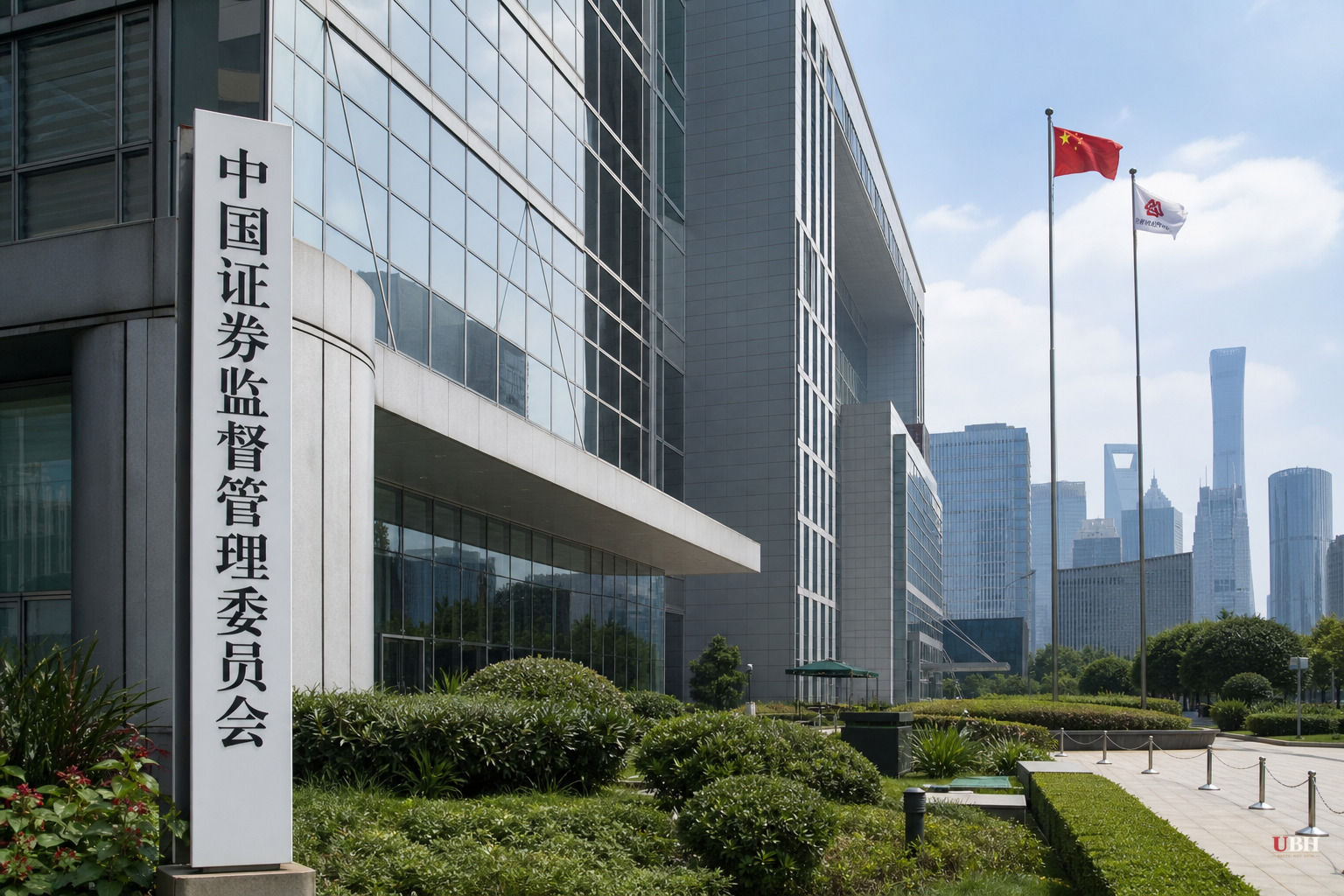
China's top anti-corruption watchdog announced July 24 that it is investigating Fang Xinghai, the former vice chairman of the China Securities Regulatory Commission, for what it called serious violations of Party discipline and law. The probe is being run jointly by the Central Commission for Discipline Inspection and the National Commission of Supervision, the two bodies Beijing uses to police its own officials.
No specific charges have been disclosed. In China's disciplinary system, an announcement like this can sit for months as a vague accusation before any formal charge appears, if one appears at all. Until Beijing releases specifics, this is an allegation under investigation, not a proven case of corruption.
Fang isn't some obscure bureaucrat. He earned his PhD in economics from Stanford, worked at the Shanghai Stock Exchange, and became CSRC vice chairman in October 2015, just months after a stock market crash wiped out trillions in Chinese market value. Over the following nine years he became the face of China's push to open its capital markets to foreign money. He was a Davos regular. Western fund managers knew his name. He built the access programs that let foreign institutions buy into Chinese securities and futures markets in the first place.
He retired in 2024 and was succeeded by Li Ming. The investigation announcement came roughly two years later.
A pattern, not an isolated case
Fang is the second senior CSRC official to face investigation in recent years. Yi Huiman, who ran the CSRC from January 2019 to February 2024, was expelled from the Communist Party and stripped of all public positions on April 30, according to the CCDI and separately confirmed by China Daily. Yi's case is far more developed than Fang's. The CCDI wrapped an eight-month investigation and laid out specific allegations: Yi allegedly took bribes in exchange for approving company listings, financing loans, and job promotions, according to the South China Morning Post. The watchdog also accused him of trading power for sex and accepting money afterward, plus letting family members cash in on his position. His case has already been handed to prosecutors, meaning Yi faces an actual criminal trial, not just a Party discipline process.
Fang's case has not reached that stage. The language used against him so far, "serious violations of Party discipline and laws," is the standard opening phrase Beijing uses before an investigation either produces specifics or gets resolved quietly. It's the same phrase that preceded Yi's eventual expulsion, but that doesn't mean the outcomes will match. The two cases are at very different points in the process, and treating them as equivalent would be premature.
Why foreign investors are watching closely
China's anti-corruption campaign, launched under President Xi Jinping more than a decade ago, has already worked through banking, insurance, and state-owned enterprises. Its arrival at senior ranks of the securities regulator, twice now, signals Beijing sees financial regulation as a priority target, not an afterthought.
The practical concern for foreign institutional investors is policy continuity. Fang personally built many of the programs that let outside money into Chinese markets. If his tenure comes under retroactive scrutiny, or if his successors feel pressure to distance themselves from his approach, the terms of foreign market access could shift with little warning. That's a real risk for fund managers who built positions assuming those access rules were stable.
There's no evidence in the public record connecting Fang's alleged violations to the specific market-access reforms he championed. The corruption allegations against Yi centered on listing approvals, loans, and promotions, not on the foreign-investment programs Fang is best known for. Conflating "regulator under investigation" with "China is reversing market opening" would be getting ahead of the facts.
What comes next
Two developments will prove most telling. First, whether Beijing's investigators produce specific, named charges against Fang or let the case linger in the vague "discipline violations" category indefinitely. Second, whether Fang's successors at the CSRC maintain, expand, or quietly roll back the foreign-access programs he championed, regardless of how his individual case resolves.
Until charges are filed, or until CSRC policy actually changes, this remains a story about two individual officials facing accountability, not a signal that Beijing is retreating from market opening. But the fact that a second senior CSRC official has now come under investigation is impossible for foreign market participants to ignore.
Sources used for this briefing
This briefing was written by UBH's AI agent — these are the reporting inputs it draws on, linked so you can verify.


