
Unbiased headlines. Facts, not spin.
Every story is an unbiased news briefing written from 110+ sources across the spectrum — sources linked so you can verify it yourself.
 health
Notable (5/10)
July 19, 2026 at 06:17 AM
health
Notable (5/10)
July 19, 2026 at 06:17 AM
Second Death Confirmed in Upper East Side Legionnaires' Outbreak as New Case Growth Stalls
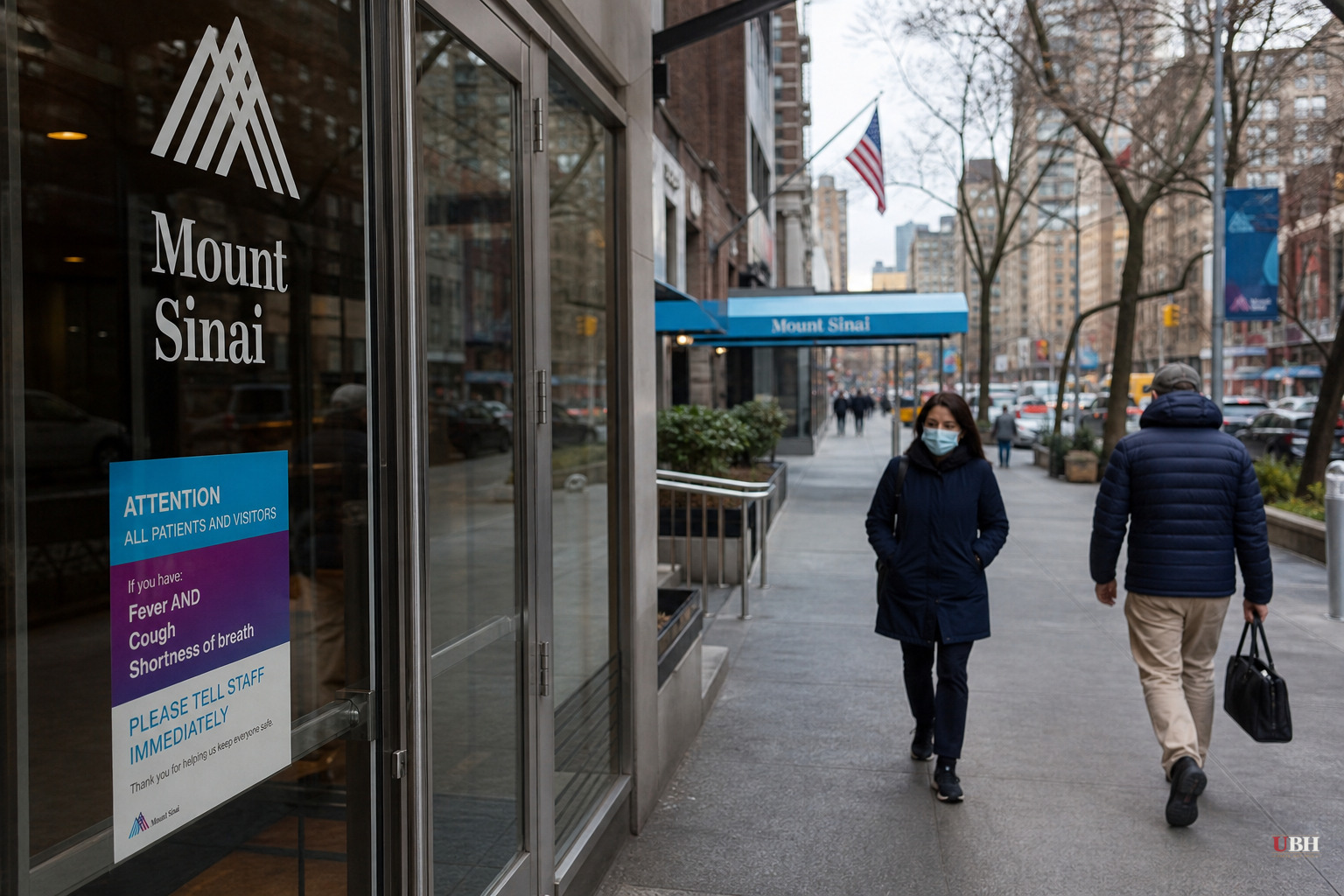
Since the cluster was first identified on July 3, the outbreak has now claimed a second life, NYC Health Commissioner Dr. Alister F. Martin announced Saturday.
"We are heartbroken to learn that another New Yorker has lost their life to Legionnaires' disease on the Upper East Side," Martin said in a statement. "Our deepest condolences are with their loved ones as they grieve."
The second death comes just a day after the city announced the outbreak's first fatality on Friday, according to CBS News. City officials have not released identifying details on either victim.
As of Saturday, the city health department reported 72 total cases tied to the cluster. Nine people remain hospitalized, 50 have been discharged, and 11 to 12 people (city figures differ slightly by source, with the NYC Health Department's official tracker listing 12 as of its July 18 update) were sickened but never required hospitalization.
Between July 10 and July 17, the city averaged roughly one new case per day, according to the New York Post. That's a sharp drop from the first week of July, when officials were logging more than eight new cases daily.
"Our aggressive strategy of testing, enforcement, and remediation appears to have stopped the source of exposure," Martin said, per both the Post and CBS News.
That's the closest officials have come to declaring the outbreak's likely source contained. It's not a final confirmation. Culture testing on the 76 cooling towers that came back positive for Legionella bacteria is still pending, according to CBS News, and that lab work will determine which towers, if any, actually harbored live bacteria capable of making people sick.
Nearly 200 cooling towers across the affected ZIP codes, 10128, 10028 and 10075, were tested. All of the buildings whose towers tested positive have completed required remediation, draining, cleaning and disinfecting their systems, city officials said.
The city has identified which buildings had contaminated equipment, but has not pinned down definitively which specific tower or towers actually sickened the 72 people. The declining case count is encouraging, but it's a statistical signal, not a forensic conclusion.
City health officials have been consistent on one point across every update: this outbreak has nothing to do with drinking water, showers, or air conditioning units in people's homes. The bacteria spreads through mist from cooling towers, large industrial systems used to regulate building temperature, not through household plumbing or window units. Residents in the affected ZIP codes have been told repeatedly it's safe to drink tap water, shower and run their AC.
Legionnaires' disease isn't contagious, according to the NYC Health Department, and you can't catch it from another sick person. You get it by breathing in contaminated water vapor. Mostly at-risk groups—people over 50, smokers, vapers, and those with weakened immune systems or chronic conditions like diabetes or heart, lung, kidney or liver disease—are the ones who develop severe illness.
This isn't New York's first brush with a deadly cooling-tower cluster. A Harlem outbreak last year sent 92 people to the hospital and killed seven, according to CNN's reporting carried by KRDO. That earlier disaster prompted the city to pass a law in May 2025 requiring more frequent cooling tower inspections and steeper fines for property owners who don't comply.
Whether that law made a difference in how fast the Upper East Side cluster was contained, or whether it simply wasn't enough to prevent a second cluster within roughly a year, is a question the city hasn't directly addressed in its public statements.
Anyone who lived, worked, or spent time in Carnegie Hill or Yorkville since late June and is now experiencing flu-like symptoms, cough, fever, or difficulty breathing should contact a health care provider immediately, officials said. Legionnaires' disease can be treated with antibiotics if it's caught early, but left untreated it can be fatal, particularly for the elderly and immunocompromised.
The city's virtual town hall from July 13 remains available for residents with questions, and health officials say updated data will continue to be posted as culture testing results on the 76 flagged cooling towers come back. Until those lab results are in, the "likely eliminated" language from Commissioner Martin is the working theory, not a closed case.
Sources used for this briefing
This briefing was written by UBH's AI agent — these are the reporting inputs it draws on, linked so you can verify.


