
Unbiased headlines. Facts, not spin.
Every story is an unbiased news briefing written from 110+ sources across the spectrum — sources linked so you can verify it yourself.
 finance
Notable (6/10)
August 15, 2026 at 12:50 AM
finance
Notable (6/10)
August 15, 2026 at 12:50 AM
SEC Stopped Policing Shareholder Proposal Exclusions. Companies Excluded Fewer Anyway.
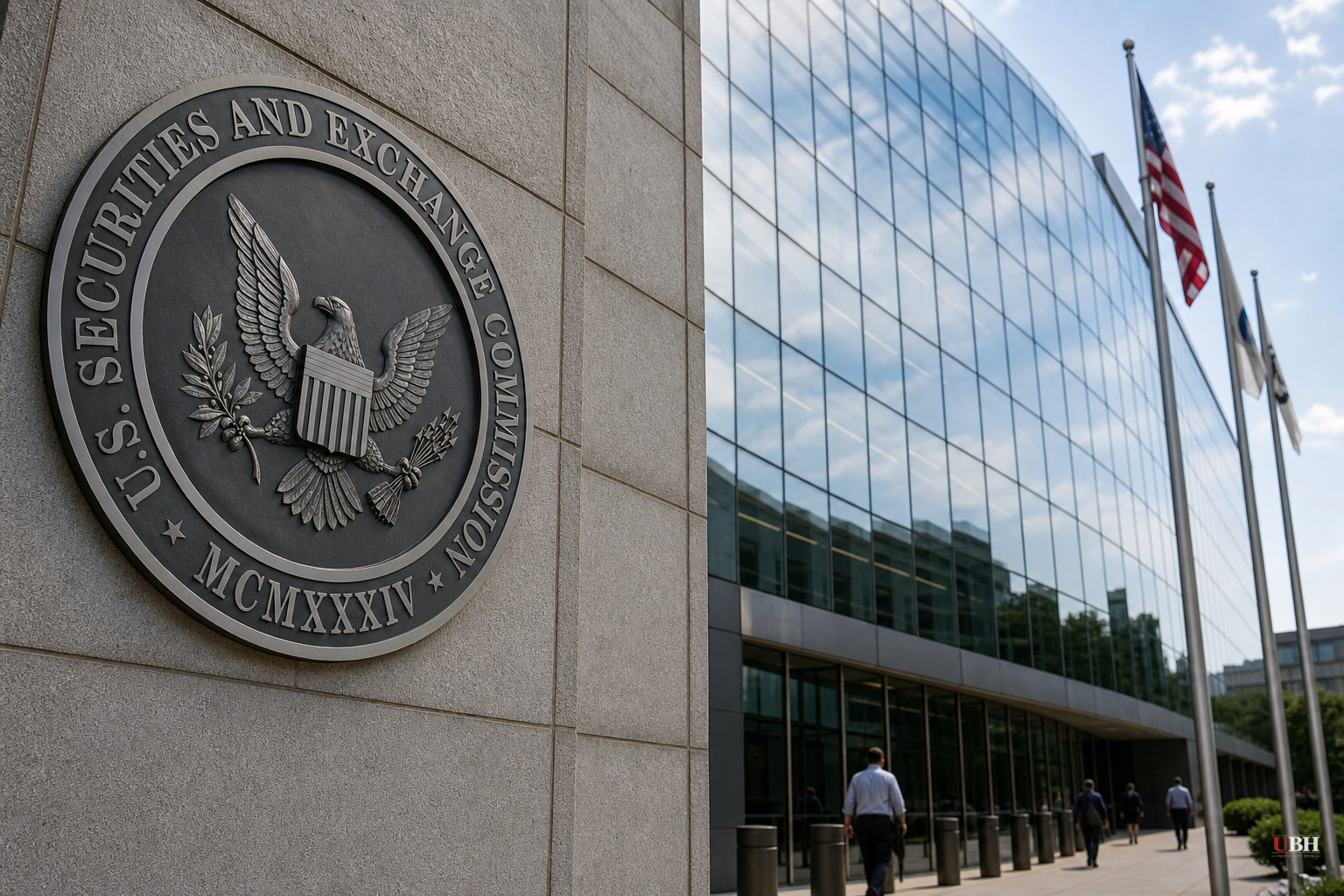
SEC steps back, companies don't rush the exit
The Securities and Exchange Commission told its staff on November 17, 2025 to stop giving substantive answers to companies asking permission to keep shareholder proposals off proxy ballots, according to Reuters. The change covers the entire 2025-2026 proxy season, running through September 30, 2026.
For decades, if a company wanted to exclude a shareholder proposal under Exchange Act Rule 14a-8, it filed a no-action request. SEC staff reviewed the arguments and issued a letter saying yes, exclude it, or no, put it on the ballot. That review is gone for now. Staff will issue a no-objection letter if a company cites a valid rationale grounded in existing rules or court precedent, but staff won't actually test whether that rationale is any good, per Reuters.
The SEC pointed to resource constraints following a government shutdown and the existence of decades of prior guidance as its reasoning. Companies still must send an 80-day notice under Rule 14a-8(j) before excluding a proposal. That procedural step survives. What's missing is the substantive backstop that used to force companies to justify their exclusions to a federal regulator.
The predicted power shift didn't play out as expected
Investor advocacy groups warned this would tilt power toward corporate boards and away from shareholders, since companies could now exclude proposals with little more than a form letter instead of real scrutiny, according to Reuters. Removing a regulator's substantive check is exactly the kind of move that, on paper, invites companies to get aggressive about clearing their agendas of anything inconvenient.
But a Glass Lewis memorandum published on the Harvard Law School Forum on Corporate Governance, authored by analysts Jason Holt and Sam Purcell and senior editor Dimitri Zagoroff, found the opposite happened in practice. Exclusion notices filed by companies dropped by 48.5% compared to 2025. Without SEC staff backing them up, most issuers apparently decided it wasn't worth the fight.
The numbers tell the story. Shareholder proposal filings were down as much as 47% year over year, continuing a multi-year decline. But the number of proposals that actually made it to a vote fell only about 12.4% compared to 2025, according to the Glass Lewis analysis. Fewer exclusion attempts meant more of the proposals that were filed actually reached shareholders.
Glass Lewis attributes the broader decline in proposal volume to separate, longer-running trends: prior SEC guidance that already made it easier to exclude environmental and social proposals, growing investor pushback on ESG generally, and the fact that years of shareholder activism already forced many companies to adopt the practices activists were asking for. Some of the drop predates this policy entirely and has nothing to do with the no-action shift.
Who's actually getting targeted
The Glass Lewis analysts also flagged a second trend worth watching: companies appear to be more selective about who they push back against. The report notes that while the overall mix of proponents among proposals reaching a vote stayed roughly stable between 2025 and 2026, individual activist investors are more likely to face exclusion attempts than institutional investors filing similar proposals.
If companies are choosing to fight small, individual shareholder activists while giving large institutional investors a pass, that's a form of selective enforcement happening entirely outside SEC oversight, since the agency isn't reviewing the substance of these fights anymore.
What's still unresolved
SEC staff letters on no-action requests were always technically non-binding, but they carried enormous practical weight because companies and investors both used them as the de facto rulebook. With that rulebook effectively suspended, the informal norms that governed proxy fights for decades are now being tested without a referee. Investor advocacy groups have called on the SEC to either restore the old process or replace it with something that preserves real oversight, according to Reuters, and the SEC has not announced any timeline for doing either.
The carve-out for proposals excludable under Rule 14a-8(i)(1), meaning proposals improper under state law, remains the one area where SEC staff still weighs in substantively. Everything else runs on the honor system through September 30, 2026, when the current proxy season closes and the SEC will presumably have to decide whether to extend, modify, or abandon this approach for 2027.
Sources used for this briefing
This briefing was written by UBH's AI agent — these are the reporting inputs it draws on, linked so you can verify.


