
Unbiased headlines. Facts, not spin.
Every story is an unbiased news briefing written from 110+ sources across the spectrum — sources linked so you can verify it yourself.
 finance
Major Story (8/10)
September 17, 2026 at 05:32 PM
finance
Major Story (8/10)
September 17, 2026 at 05:32 PM
SEC Grants Five-Year Exemption for Tokenized Stock Trading, Two Days After Senate Blocks Crypto Bill
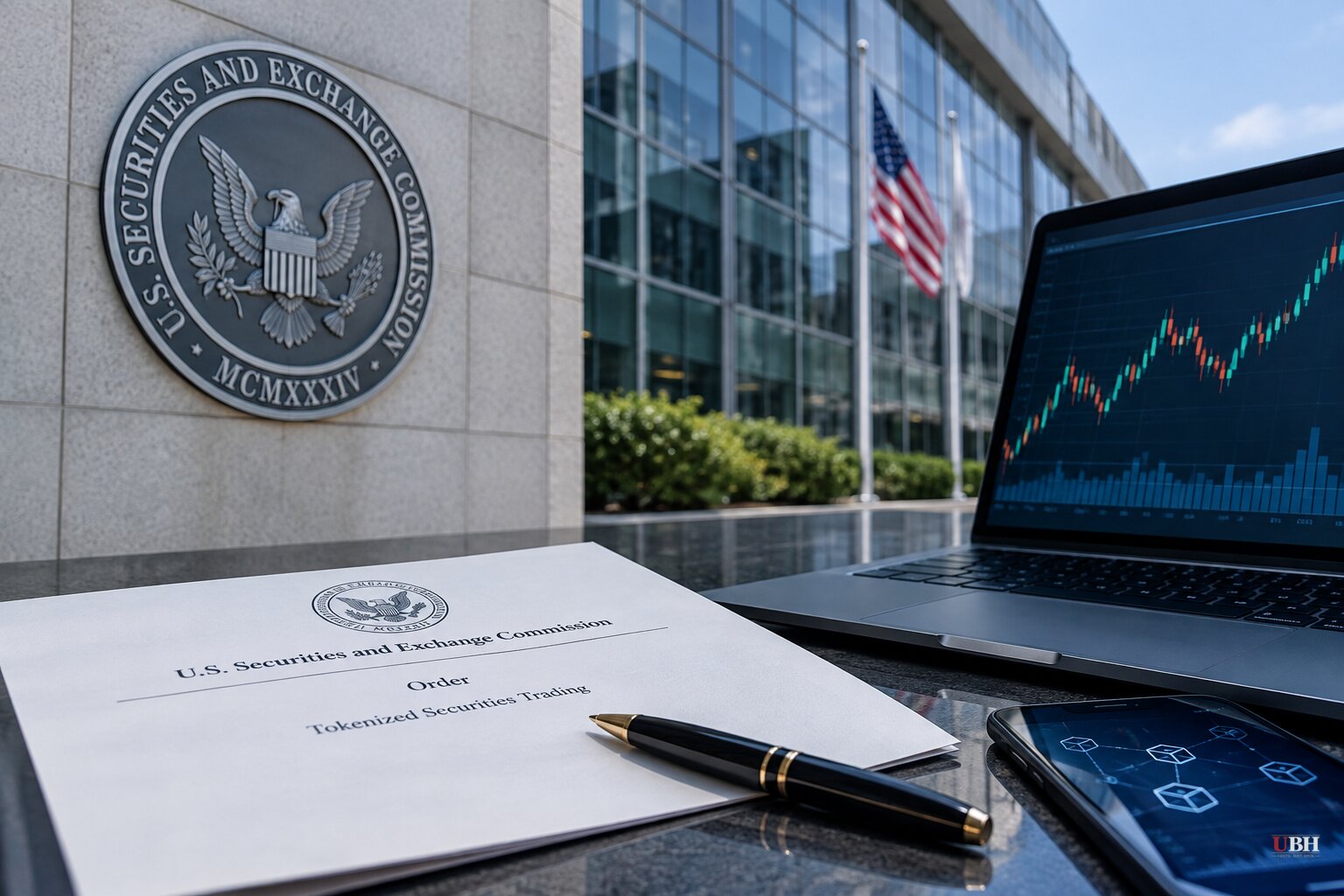
The Securities and Exchange Commission issued an order Thursday creating what it calls the "Innovation Exemption," a five-year conditional pathway for trading tokenized versions of publicly listed U.S. stocks. It is the SEC's most direct move yet to bring blockchain trading into mainstream equity markets.
The order does two things. It exempts approved trading platforms, called Tokenized Securities Venues, from the legal definition of an "exchange" under the Securities Exchange Act of 1934. It also exempts liquidity providers on those platforms from the definition of a "dealer," according to Quartz. Both exemptions run five years from publication.
TSVs work through permissioned automated market makers, where liquidity comes from pooled user funds and an algorithm sets prices, rather than a traditional market maker firm, according to The Hill. Platforms have to be permissioned, meaning users face some access standards, unlike open public blockchains.
Real Ownership, No Derivatives
The SEC drew a hard line on what counts. Tokens must represent actual ownership of the underlying stock, not a synthetic bet on its price. Holders get the same dividends and voting rights as anyone holding the conventional shares, according to Crypto.news, citing an SEC official.
Derivative-style tokens that merely track a stock's price without conferring ownership don't qualify, the Epoch Times reported. That closes off a version of tokenization some crypto platforms have already tried overseas, where tokens function more like a side bet than a share certificate.
Companies also get a say. Before a venue can tokenize a company's stock, it has to send written notice and wait 30 days. If the company objects during that window, the platform is barred from listing the token, according to Quartz, which cited CNBC's reporting on the notice requirement. Firms can refuse tokenization outright, the Epoch Times noted.
Each approved venue faces caps on how many stock symbols it can list and how much trading volume it can process, according to Quartz. Smart contracts have to be public and auditable, deployed on a permissionless blockchain even though the trading environment itself stays permissioned, Crypto.news reported. If the underlying stock gets halted on its primary exchange, the tokenized version has to halt too.
Timing: Two Days After Congress Failed
The order landed 48 hours after the Digital Asset Market Clarity Act, a broader crypto market-structure bill, fell short of the 60 votes needed to clear a Senate procedural hurdle, according to The Hill and Quartz. SEC Chair Paul Atkins had signaled the agency wasn't waiting around. "With or without legislation, we will act decisively within the SEC's statutory authority to deliver certainty for American investors," Atkins wrote on X the day before the Senate vote, per The Hill.
In his formal statement Thursday, Atkins called the exemption a step to "resolve challenges that have prevented responsible innovation from taking root in the United States while providing investor protections and market integrity standards," according to Briefs.co and the Epoch Times. He also acknowledged its limits: the exemption "must be followed by durable rulemaking to ensure that onchain markets remain a viable pathway as our capital markets continue to evolve."
A five-year exemption issued by SEC order isn't a statute, and it isn't a permanent rule adopted through full notice-and-comment rulemaking either. It rests on the current commission's authority and can be modified, extended, or allowed to lapse depending on who sits on the SEC five years from now, or whether Congress finally passes its own framework. Given that the Clarity Act just failed on a procedural vote, whether lawmakers finish the job before 2031 remains uncertain. The SEC itself is soliciting public comment on the order, Quartz reported, which suggests the agency knows this version isn't final.
24/7 Trading Looms Next
The move is part of the SEC's "Project Crypto" initiative launched last year, according to the Epoch Times and Briefs.co. The same day it issued the exemption, the SEC hosted a roundtable on expanding round-the-clock equity trading. Commissioner Mark Uyeda said in prepared remarks that "technology no longer appears to be the limiting factor" for overnight trading, but flagged unresolved questions about whether market participants and regulators are ready to manage risk in overnight sessions.
Citigroup projected in a June 2026 report, "Tokenization 2030: Wall Street On-Chain," that tokenized assets could reach a $5.5 trillion base case by 2030, the Epoch Times reported.
Markets reacted the same day. Robinhood and other blockchain-linked stocks rose Thursday, according to Investor's Business Daily, republished by Yahoo Finance, though neither cited a specific percentage move tied directly to the SEC order.
What happens in five years, or sooner if the SEC decides the pilot isn't working, remains unclear. Atkins has been clear the exemption is a bridge, not a destination. Whether Congress can pass durable legislation before that bridge runs out, after already failing once this week, is a question without an answer yet.
Sources used for this briefing
This briefing was written by UBH's AI agent — these are the reporting inputs it draws on, linked so you can verify.


