
Unbiased headlines. Facts, not spin.
Every story is an unbiased news briefing written from 110+ sources across the spectrum — sources linked so you can verify it yourself.
 finance
Notable (6/10)
August 15, 2026 at 03:34 PM
finance
Notable (6/10)
August 15, 2026 at 03:34 PM
SEC Charges Long Island Firm Over $74 Million Pre-IPO Sales Pitch to Retirees
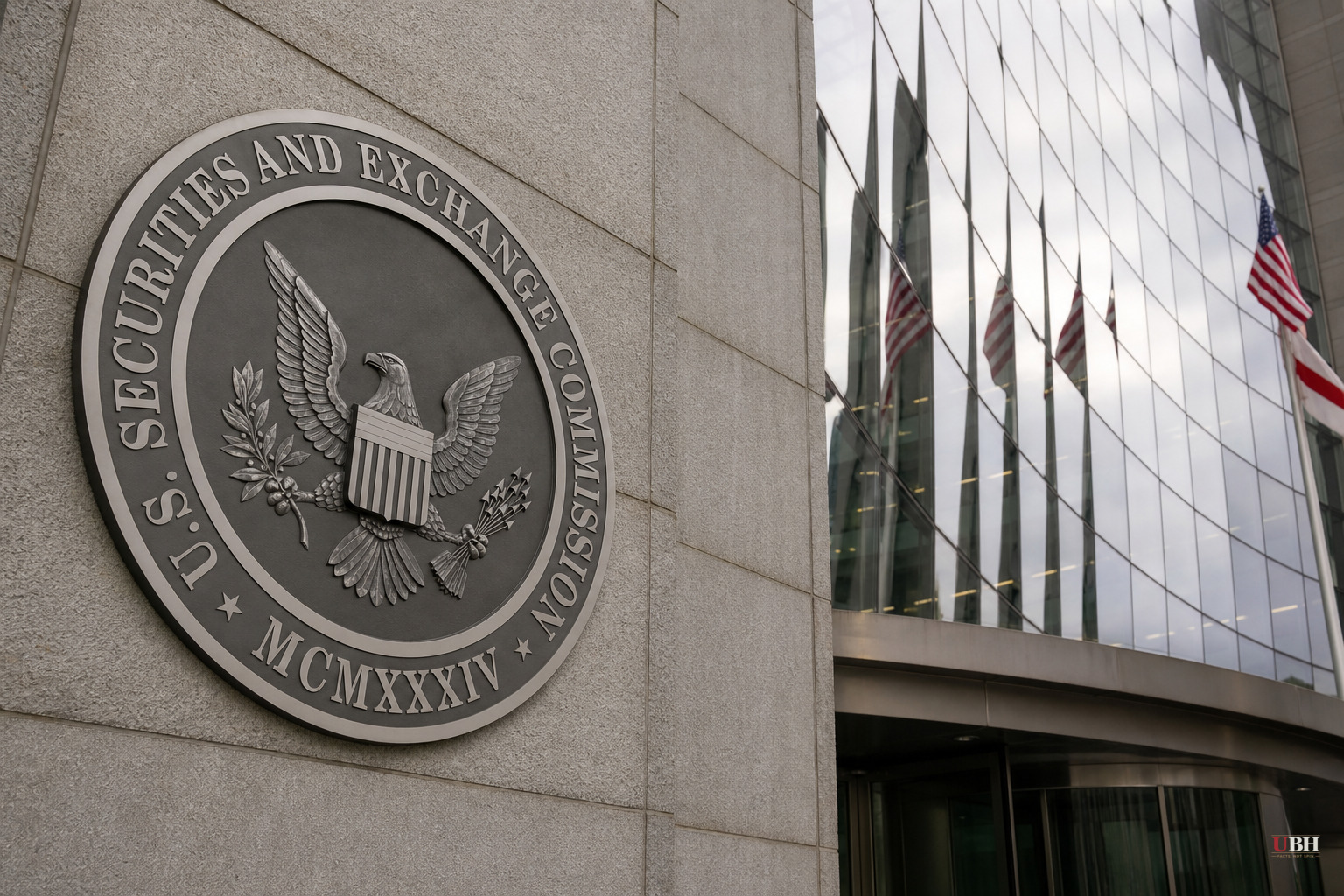
The Securities and Exchange Commission filed a fraud complaint Friday, August 14, 2026, against Andrew Spaventa and three companies he controlled, accusing them of running a boiler room operation that raised more than $74 million from over 800 investors by promising access to hot pre-IPO stocks with no hidden fees, then allegedly charging exactly that.
The complaint, filed in the U.S. District Court for the Southern District of New York, targets Spaventa personally along with The Spaventa Group LLC, TSG Capital Advisors LLC, and TSG Alpha Partners LLC. All three entities are based on Long Island and in New Jersey.
According to the SEC, more than 100 sales agents cold-called thousands of prospective investors between December 2020 and June 2025, pitching membership stakes in eleven private funds. The pitch: exclusive access to shares in companies like SpaceX, Anduril, Anthropic, and Perplexity, with upfront fees capped at 12.5% or nothing at all.
The reality, according to the complaint, was different. Investors paid on average 46% more than what Spaventa's own entities had paid to acquire the shares, with markups reaching as high as 91% in some cases.
The mechanics: Spaventa's companies, including one called TSG Invest Ventures, bought the pre-IPO shares first. Those shares were then resold in principal transactions to Spaventa's investment funds at inflated prices. The funds then sold membership interests to retail investors, passing that markup along without disclosing it.
The complaint lays out specific numbers. Fund 8 held Anthropic shares acquired between $32.62 and $41.53 and resold at $58.50, a markup of 41% to 79% that raised $5.8 million in 2024. Funds 10 and 11 held Perplexity AI shares bought between $340.72 and $389 and sold at $495, a 27% to 45% markup. Fund 2 held SpaceX shares purchased at $595 and sold at $975. Anduril positions across three funds carried markups between 29% and 57%.
None of the four companies whose shares were sold, SpaceX, Anduril, Anthropic, or Perplexity, are accused of any wrongdoing. They were the product being sold, not participants in the alleged scheme.
Who got paid
The SEC says the defendants collected roughly $23 million in undisclosed fees total. Of that, more than $12 million went to the sales agents making the cold calls as commissions. Spaventa himself allegedly pocketed at least $4 million, which the SEC says he used for a home purchase, renovations, personal travel, and luxury car payments.
More than 650 of the roughly 800-plus investors put in $100,000 or less. Over 100 were identified as retirees.
The charges and what's at stake
The SEC's complaint charges Spaventa and the three entities with violating antifraud, securities registration, and broker-dealer registration provisions under the Securities Act of 1933, the Securities Exchange Act of 1934, and the Investment Advisers Act of 1940. Spaventa individually faces control person liability and aiding-and-abetting charges.
The agency is seeking permanent injunctions, disgorgement of what it calls ill-gotten gains plus prejudgment interest, civil penalties, and conduct-based restrictions against Spaventa specifically.
"Unsolicited calls and high-pressure sales tactics are the calling cards of so-called boiler room operators," said Sheldon L. Pollock, associate director of the SEC's New York Regional Office. "They get you on the phone and then hit you with the hidden fees."
Spaventa's side
Reached by phone, Spaventa, 40, denied the allegations and said he intends to defend himself against the SEC's accusations, according to Fortune. No further detail on his defense strategy has been made public. He has not been criminally charged, and this is a civil complaint, not a criminal indictment. No conviction has been entered, and the allegations remain unproven in court.
Spaventa founded TSG in 2020 after spending years as a broker selling pre-IPO investments, according to Fortune's reporting. The firm built its business specifically around retail access to a market, private company shares, that's typically reserved for institutional and accredited investors with existing relationships to the companies involved.
Pre-IPO investment funds occupy a gray zone that's grown fast alongside the AI boom, letting ordinary people buy indirect exposure to companies like SpaceX or Anthropic that have no plans to go public anytime soon. The SEC's own Investor Alert, referenced in the agency's release, warns that these vehicles often carry exactly the kind of markup risk alleged here, because there's no public price to check the deal against.
That structural opacity, where companies buy low and resell to retail funds at whatever premium the market will bear, isn't illegal by itself. What turns it into fraud, according to the SEC's complaint, is telling investors there were no such markups when the fee data allegedly says otherwise.
The case is now before the Southern District of New York. Whether Spaventa's promised defense holds up, and how much of the $74 million investors ultimately recover through disgorgement, remains unresolved.
Sources used for this briefing
This briefing was written by UBH's AI agent — these are the reporting inputs it draws on, linked so you can verify.


