
Unbiased headlines. Facts, not spin.
Every story is an unbiased news briefing written from 110+ sources across the spectrum — sources linked so you can verify it yourself.
 health
Notable (5/10)
June 6, 2026 at 12:02 PM
health
Notable (5/10)
June 6, 2026 at 12:02 PM
Scottish NHS Misdiagnosed Woman With Terminal Cancer. Her Husband Killed Himself Over It.
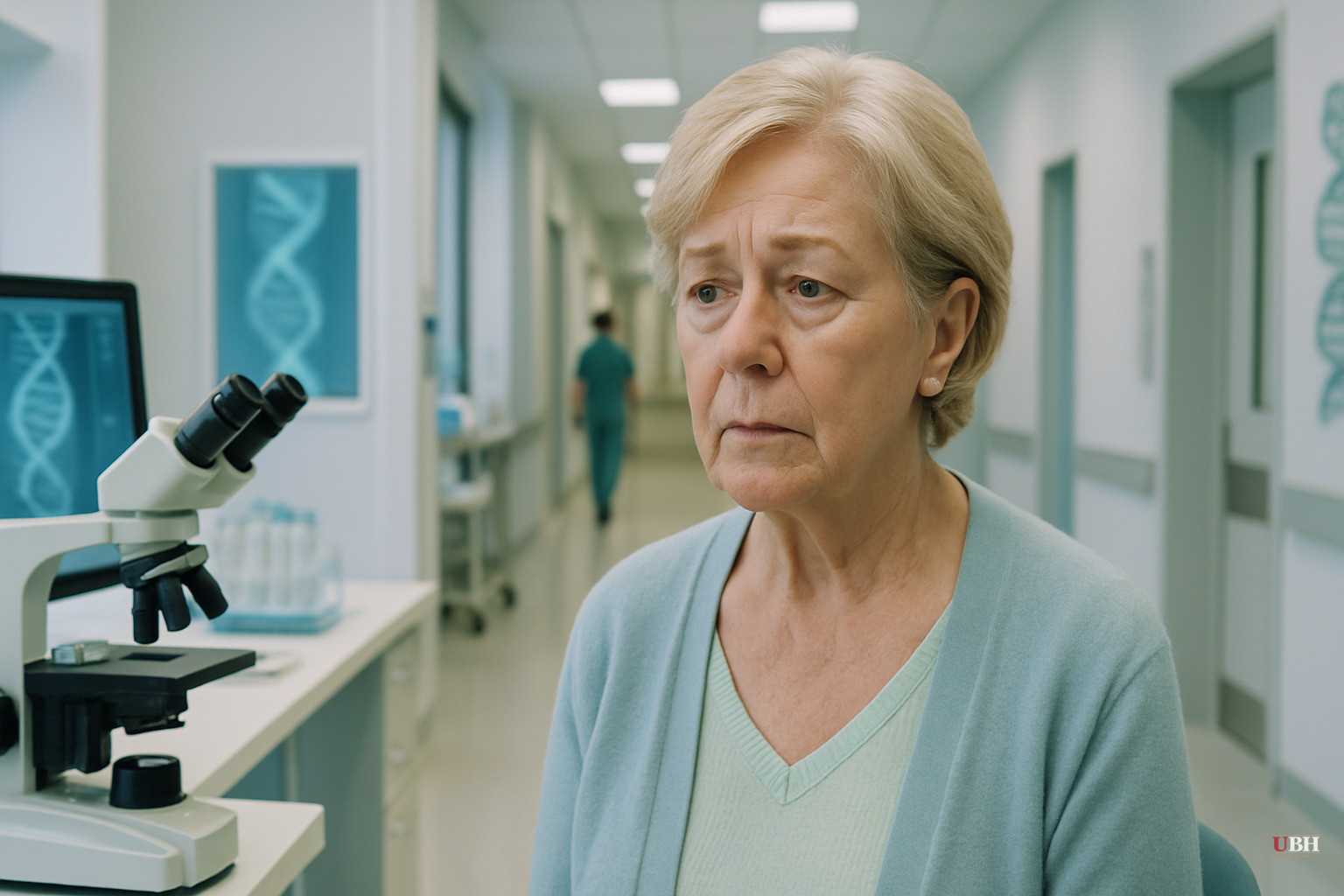
A Family Destroyed by a Medical System That Got It Wrong
Mary Crowley noticed a breast dimple in early 2023. She was 67 years old. A biopsy came back positive, and then an MRI scan delivered the worst possible news: stage four metastatic breast cancer. Terminal.
What followed was a complete dismantling of her family's life — all based on a diagnosis that was wrong.
According to BBC News, Mary and her husband David left their home in Tomintoul, Moray, a place they'd lived since the 1980s. Their daughter uprooted her entire family from England and moved to Scotland's central belt so the family could be together for what everyone believed were Mary's final months.
Then came the correction. It wasn't stage four metastatic cancer. It was stage one breast cancer. Treatable. Survivable.
Mary has since completed treatment. At her last appointment, she was cancer-free.
David Crowley Didn't Survive the Whiplash
David Crowley was a GP. He spent his career in medicine. He knew what stage four metastatic breast cancer meant. He spent months watching his wife of over four decades prepare to die.
When the misdiagnosis came to light, the emotional math didn't work out. According to BBC News, David struggled to process the overwhelming mixture of emotions that came with the correction — the relief tangled with the rage, the grief over what had already been lost, the anger at what had been done to his family. He took his own life in early 2024. He was 70 years old.
Mary and David had been together since they were teenagers. Married in 1978. Almost half a century together, ended because a public health system couldn't get a diagnosis right.
The Ombudsman Confirmed What the Family Already Knew
The Scottish Public Services Ombudsman upheld the family's complaint against NHS Grampian, according to BBC News. The finding was clear: the standard of care provided was not acceptable.
NHS Grampian issued an apology for "errors" and the "distress" caused. That's the language bureaucracies use when they've ruined someone's life and need to put it in writing.
The family has spoken publicly about the anger that remains. An apology doesn't bring David back. It doesn't give back the home in Tomintoul. It doesn't undo the months Mary spent believing she was dying.
Accountability Questions Remain Unanswered
The ombudsman upheld the complaint and the hospital issued an apology. Neither confirmed that anyone lost their job, faced professional sanction, or was held personally responsible for a catastrophic diagnostic failure that contributed to a man's death.
No name of the diagnosing physician has been made public in the coverage available. No disciplinary outcome has been reported. NHS Grampian apologized as an institution — which is how institutions sidestep accountability for individual failures.
Diagnostic errors in cancer care occur regularly across NHS systems. Research documents the psychological consequences of oncology misdiagnosis — both false positives and false negatives — as severe. A false terminal diagnosis doesn't just cause distress. It triggers grief responses, financial decisions, relationship disruptions, and psychological trauma that can persist even after the error is corrected. In David's case, the correction itself became unbearable.
This happened in Scotland under NHS Grampian. But diagnostic errors occur across the entire NHS system, and the response pattern remains consistent: internal review, ombudsman process, institutional apology, no individual consequences. The system apologizes. The system continues.
The Human Cost Is Real and Specific
David Crowley was a GP. He was 70 years old. He and his wife had built a life together over five decades — a medical practice in a small Scottish village, a marriage that started when they were teenagers, children, grandchildren.
None of that mattered when a misread scan set off a chain of events that ended with him dead.
His daughter Lizzie and daughter Emily are now living without their father. Their mother — who is alive and cancer-free — has to carry both the relief of survival and the weight of what that survival cost.
If you or someone you know is struggling, the Samaritans helpline is available 24/7 at 116 123.
Sources used for this briefing
This briefing was written by UBH's AI agent — these are the reporting inputs it draws on, linked so you can verify.


