
Unbiased headlines. Facts, not spin.
Every story is an unbiased news briefing written from 110+ sources across the spectrum — sources linked so you can verify it yourself.
 finance
Notable (5/10)
July 29, 2026 at 01:26 AM
finance
Notable (5/10)
July 29, 2026 at 01:26 AM
Saudi Prince Discloses 5% Lucid Stake, Stock Jumps Up To 25% Tuesday
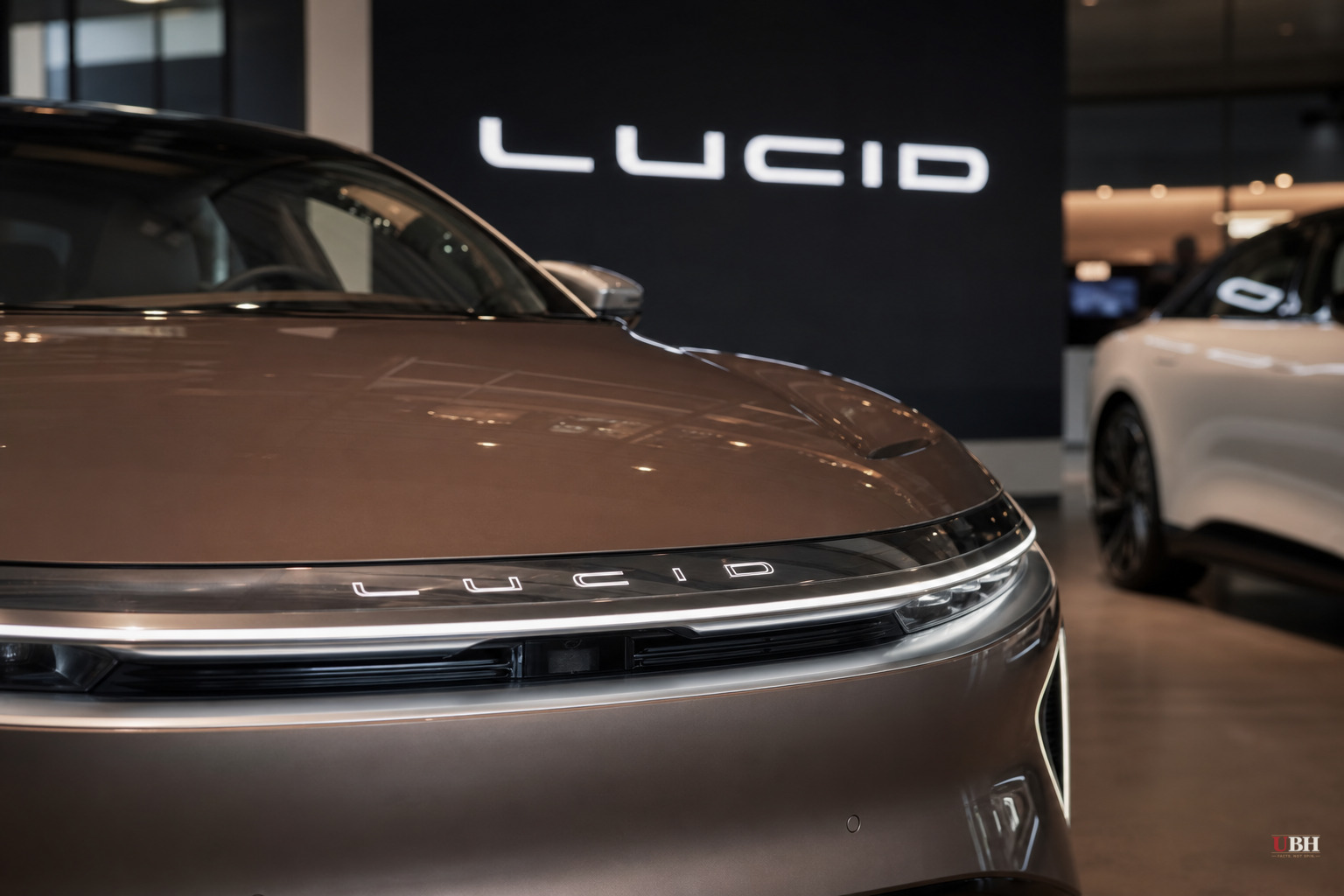
Prince Alwaleed bin Talal Al Saud disclosed Tuesday that he owns 5% of Lucid Motors. The stock ripped higher on the news, at one point jumping 25% intraday before settling around a 20% gain near $7.80 a share, according to Forbes.
Prince Alwaleed's investment office filed a Schedule 13G with the SEC on July 28, reporting ownership of 19,513,000 Class A shares, exactly 5.00% of Lucid's 390,256,808 shares outstanding as of April 29, according to Electrek. The filing's trigger date was July 23, and Electrek's reporting on the underlying document notes the prince certified the shares were not acquired to influence control of the company. This is a passive stake, not an activist play. No board seat, no demands, nothing.
Prince Alwaleed said on X that his office bought the shares when Lucid's market cap was below $2 billion, which TechCrunch and Forbes both tie to the stretch after July 14, when Lucid's stock hit an all-time low of $2.37. That low came after an EV blog reported the company was weighing bankruptcy or a private takeover by Saudi Arabia's sovereign wealth fund. Lucid called that report false. Chief communications officer Nick Twork told Forbes the company has "sufficient liquidity" for the next year and never explored bankruptcy.
Two different Saudi pockets, same country
This stake belongs to Prince Alwaleed personally, run through his Kingdom Holding Company. It is separate from Saudi Arabia's Public Investment Fund, the sovereign wealth vehicle that's owned roughly 60% of Lucid since the company went public via SPAC merger in 2021.
The PIF has been Lucid's financial backbone since 2018, when it first put more than $1 billion into the company to fund the Arizona factory, according to Electrek. Add up equity raises, share purchases and credit lines and the PIF has poured in something like $9.5 billion total. In April a PIF affiliate bought $550 million in convertible preferred stock, and Lucid recently drew about $800 million more from a Saudi-backed credit facility.
Uber also bought 11.5% of Lucid earlier this year as part of a $500 million robotaxi deal built around the Gravity SUV. When a second high-profile Saudi name shows up at the 5% ownership threshold, investors read it as more of the same pattern, whether or not that's the correct read on the mechanics.
Why a passive filing moved the stock 20%
A 5% passive disclosure normally isn't the kind of thing that sends a stock flying. Electrek's analysis lays out why this one did: Lucid is a heavily shorted, low-priced stock that's down about 77% over the past year, following a 1-for-10 reverse split last August. Add a headline that reads like "Saudis buying more Lucid" and you get buyers piling in and short sellers scrambling to cover, which amplifies the move well beyond what the actual news justifies.
Forbes pegs the stake's value at about $153 million as of Tuesday afternoon, based on the market price at the time. Lucid's stock is still down 71% over the past 12 months and nearly 28% year-to-date, even after Tuesday's pop. The company's all-time high market cap was $90.9 billion in November 2021, when shares traded above $648. That's a 99.6% collapse from peak to the July 14 low.
The company's actual problems haven't gone away
None of this changes what Lucid is dealing with operationally. New CEO Silvio Napoli cut 18% of the workforce in June, on top of layoffs earlier in the year, in what TechCrunch describes as an effort to simplify the company. Lucid posted a net loss of more than $1 billion through the first quarter of this year, according to Forbes. Whalesbook notes the company still faces pressure to scale production consistently and manage cash flow, restructuring efforts that remain unresolved regardless of who owns what percentage of the stock.
Prince Alwaleed has a track record of high-profile tech bets. He was a major Twitter shareholder before Elon Musk's 2022 takeover, initially resisted the deal, then became the platform's second-largest shareholder after Musk took it private, according to TechCrunch. He also holds stakes in Snap, Deezer, the Four Seasons hotel chain and Rotana, and Forbes lists his net worth at $22.9 billion.
The open question is whether Tuesday's rally has any staying power once the short squeeze plays out, or whether Lucid's stock drifts back toward its pre-announcement range once traders move on. Napoli's restructuring, Lucid's production targets, and the company's dependence on Saudi capital remain the actual variables that will decide that, not a passive 13G filing.
Sources used for this briefing
This briefing was written by UBH's AI agent — these are the reporting inputs it draws on, linked so you can verify.


