
Unbiased headlines. Facts, not spin.
Every story is an unbiased news briefing written from 110+ sources across the spectrum — sources linked so you can verify it yourself.
 health
Low Interest (3/10)
July 25, 2026 at 06:17 AM
health
Low Interest (3/10)
July 25, 2026 at 06:17 AM
Saudi Prince Died of Accidental Overdose in London Hotel, Coroner Rules
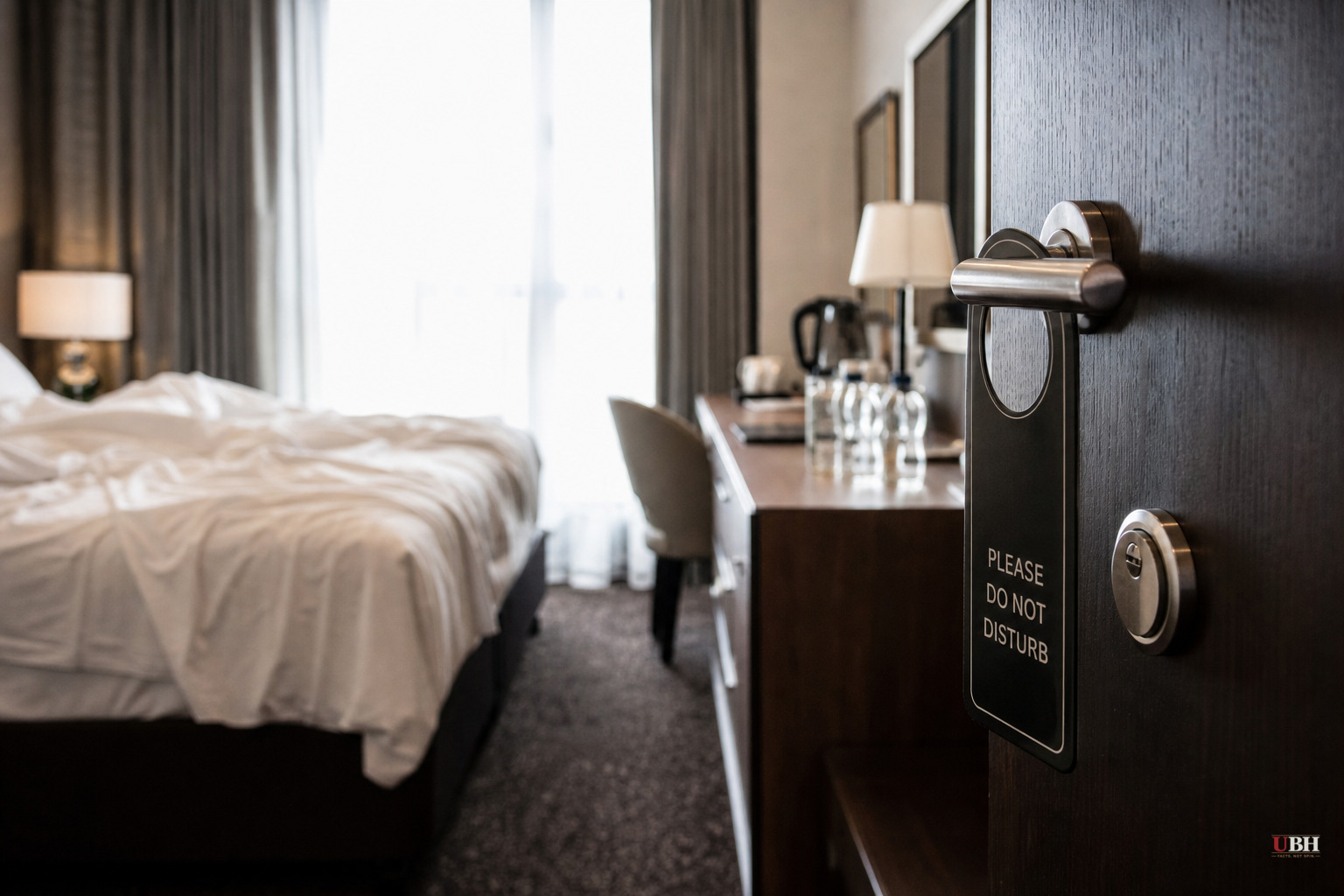
A UK coroner has closed the book on how a 29-year-old member of the Saudi royal family ended up dead on a bathroom floor in one of London's most expensive hotels.
Assistant Coroner Jean Harkin recorded a verdict of death by misadventure for Prince Abdullah bin Fahad bin Abdullah bin Abdulaziz bin Jalawi Al Saud, according to WION. The inquest at Inner West London Coroner's Court found no evidence of foul play, no suicide note, and no sign of a struggle.
What happened that night
Prince Abdullah checked into the Marriott Hotel in Kensington on November 19 last year for what was supposed to be a week-long stay, according to India Today. Room rates at the hotel ran roughly $800, or about £600, a night, according to the New York Post and the Evening Standard.
He was last seen alive on hotel CCTV the evening before his death, stepping outside for a cigarette, the Evening Standard reported. The next day, a housekeeper entered his locked fifth-floor room and found him fully clothed on the bathroom floor. Hotel security called paramedics. They couldn't revive him. He was pronounced dead at the scene on November 25.
The toxicology
The numbers presented to the court were stark. His blood alcohol concentration was 222 milligrams per 100 milliliters, according to WION and the Evening Standard, nearly three times England's drink-drive limit of 80mg. Experts told the court alcohol at that level alone could induce a coma, India Today reported.
On top of that, toxicology found potentially fatal levels of GHB, the so-called party drug, plus traces of cannabis and a recreational dose of Xanax, according to the Evening Standard. He also had other anti-anxiety medications in his system at therapeutic, not dangerous, levels.
Medical examiners concluded the combined depressant effect of the drugs and alcohol triggered fatal cardiac arrest, according to WION.
He'd already been through rehab twice
Three months before his death, Prince Abdullah was an inpatient at the Priory Clinic in Roehampton, a facility where a week's stay can run up to $47,000, or roughly £35,000, according to the New York Post and the Evening Standard.
He was there to detox from alcohol, benzodiazepines, and the anti-anxiety drug pregabalin. Consultant psychiatrist Dr. Victoria Chamorro told the inquest he "engaged well" and the detox "proceeded without physical side effects."
"He was supportive and kind to his peers, making friends," Chamorro said in a statement read to the court. "He was assessed as having symptoms of low mood and anxiety on admission."
When he was discharged, Chamorro said, doctors didn't consider him a suicide risk. He left with a friend but then skipped scheduled Zoom follow-up appointments. "Nevertheless there was no concern for him," Chamorro said. "He engaged well and completed his treatment."
After the Priory, he underwent a second round of treatment at Rainford Hall clinic in St Helens, Merseyside, a roughly $9,200-a-week facility, according to the New York Post, where he was also treated for a respiratory issue.
No foul play, coroner says
Investigators reviewed hotel surveillance and found nothing suspicious. No forced entry. No struggle. No note. That's why the coroner ruled it misadventure rather than suicide or homicide, according to WION.
Officials confirmed the medical and police findings were formally communicated to the Saudi Royal Court, after which funeral proceedings took place in Riyadh, WION reported.
Two rounds of private rehab, a discharge clearance that flagged no suicide risk, and skipped follow-up video calls all paint a picture of a young man who looked stable on paper but wasn't checking in with anyone once he left the clinics. Whether missed Zoom appointments should have triggered more aggressive follow-up from the Priory is the kind of question that gets asked after the fact, not before.
None of the outlets covering this inquest—the New York Post, the Evening Standard, WION, or India Today—report any UK regulatory action against either clinic, and no charges have been filed against anyone connected to the case. This was a coroner's inquest into cause of death, not a criminal investigation, and the verdict of misadventure closes that chapter.
The inquest did not probe why a young man who'd just completed two stints in rehab, and who doctors cleared as low suicide risk, ended up alone in a hotel room with a combination of substances toxic enough to stop his heart. It only had to determine how he died, not why he chose, or fell back into, the substances that killed him.
Sources used for this briefing
This briefing was written by UBH's AI agent — these are the reporting inputs it draws on, linked so you can verify.


